


The photos of the Canadian Rockies almost look unreal: electric‑blue lakes, jagged peaks, glaciers hanging over forests and rivers. Then you see images of bumper‑to‑bumper tour buses at Lake Louise or lines for the Banff Gondola and wonder if you are signing up for a nature experience or a mountain‑themed amusement park. If you deeply dislike crowded tourist hotspots, are the Canadian Rockies still worth visiting?
Get the latest updates straight to your inbox!
Understanding Crowds in the Canadian Rockies
The Canadian Rockies are not one single park but a huge region spanning Banff, Jasper, Yoho and Kootenay national parks, plus several provincial parks. Together, this is an area larger than some European countries, yet most visitors cluster into a handful of famous viewpoints such as Lake Louise, Moraine Lake, the Banff townsite and the Columbia Icefield. That is why headlines about “crushing crowds” and sold‑out shuttles can coexist with people reporting empty trails only a few kilometres away.
The busiest period is late June through early September, when Canadian school holidays, European vacation season and North American road trips all collide. On a sunny Saturday in July, the parking lot at Lake Louise often fills very early in the morning and both Parks Canada and local tourism boards strongly advise using shuttles rather than trying to drive to marquee lakes. By contrast, in early May you might have entire valley trails to yourself, with only a few other hikers and the occasional Parks Canada truck for company.
It also matters where you base yourself. The town of Banff attracts far more people than quieter hubs like Field in Yoho National Park or the village of Jasper. If your only mental image of the Rockies is Banff Avenue at 3 p.m. in August, it is easy to assume that all of the mountains feel like that. In reality, crowding is heavily localized in both time and space, which is good news if you are willing to plan around it.
Before you decide the region is “too touristy,” it helps to understand that many of the policies in place, from shuttle systems to trail quotas, are meant to reduce congestion and protect sensitive environments. This means that while certain lakes and gondolas can feel busy, they are also tightly managed. That structure can actually help crowd‑averse travellers, as it gives you predictable patterns you can avoid.
The Most Crowded Spots You Might Want to Skip
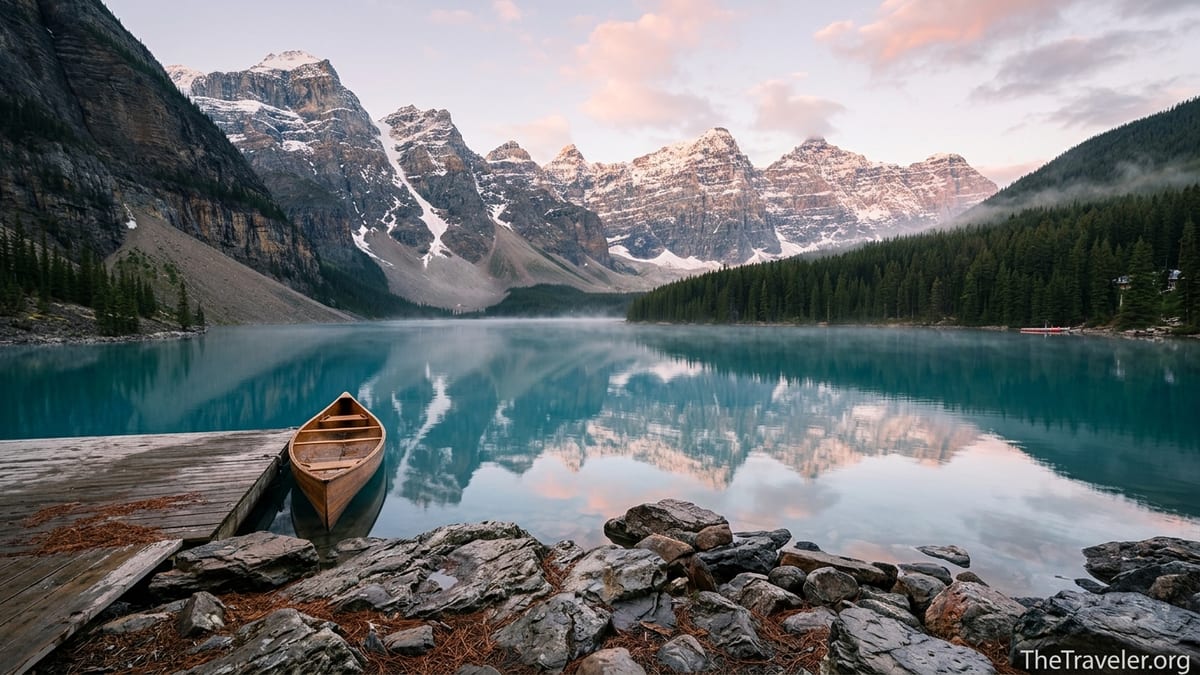
If you already know that shoulder‑to‑shoulder viewpoints and long lines will sour your trip, it makes sense to be honest about which hotspots you will probably not enjoy, at least at peak times. The classic example is Moraine Lake near Lake Louise. Personal vehicles are now restricted, so most visitors arrive on a Parks Canada shuttle or permitted private operator. On a typical summer morning, the main departure shuttle from the Lake Louise Park and Ride sells out quickly, and sunrise‑oriented private shuttles can cost well over one hundred Canadian dollars per person depending on the operator and inclusions. Even with vehicle restrictions, the lakeshore path can feel crowded by mid‑morning, with a continuous flow of people vying for the same iconic photo from the rock pile.
Lake Louise is slightly more spread out but similarly intense in summer. Day visitors compete for parking at the lakeshore hotel, and those spaces can be full by dawn. If you arrive at 9 or 10 a.m. on a bluebird day in July, expect a dense knot of people along the first few hundred metres of the shoreline path, rental canoes queuing on the dock and a busy scene around the Fairmont Chateau Lake Louise lobby and cafes. For some travellers, the atmosphere feels festive. For others, it feels like the opposite of why they came to the mountains.
Other popular pinch points include the Banff Gondola on Sulphur Mountain, especially in late afternoon when day tours arrive, and the Columbia Icefield Discovery Centre along the Icefields Parkway, where large coaches pull in for glacier walks and skywalk tours. Even in Jasper, which has a mellower reputation, places like Maligne Lake’s main dock area and the Miette Hot Springs parking lot can get very busy on long weekends.
If walking into any of these scenes sounds stressful, that does not mean you must avoid the Canadian Rockies entirely. It simply means your trip should not be built around the greatest‑hits checklist. You can treat some of these landmarks the way a crowd‑sensitive visitor might treat Times Square in New York: perhaps a quick early‑morning look, or even a conscious decision to skip them in favour of less famous areas.
When to Visit if You Want Fewer People
For travellers who dislike crowds, timing is often more important than location. In the Canadian Rockies, the gentlest months in terms of visitor numbers tend to be May, early June and late September into early October. In May, you will likely encounter patches of snow on higher trails and ice on some alpine lakes, but valley bottoms are usually accessible, wildlife viewing can be excellent and hotel rates are lower than in peak summer. Shops and restaurants in Banff and Jasper are open, just less frenetic, and you may still find last‑minute availability at small inns in places like Lake Louise village or the town of Golden in British Columbia.
June is a transition period. Early June can feel pleasantly quiet, with more hikes opening each week as snow melts. By late June, especially around national holidays, crowds ramp up quickly. If you are trying to balance milder weather and fewer people, aiming for the first half of June and being flexible with a bit of lingering snow at higher elevations can work well. Some popular shuttle‑served lakes start their operations in early June, so it becomes easier to reach certain sights without facing full peak‑season volumes.
On the other side of summer, late September often brings crisp air, larch trees turning gold near Lake Louise and along the Icefields Parkway, and thinner crowds after Canadian schools resume. You might need a warm jacket and be prepared for early snowfall on mountain passes, but many travellers find that trading a few degrees of warmth for quieter viewpoints is more than worth it. Boutique hotels in Banff, cabin resorts near Jasper and campgrounds in Yoho often still operate at this time, but demand is softer, giving you more choice.
By contrast, July and August are harder to recommend if you truly dislike crowded hotspots and do not have the flexibility to travel midweek or very early in the morning. You can still carve out peaceful experiences in high summer, but it will take more deliberate planning and an even greater willingness to skip certain places during peak hours.
Where to Go Instead: Quieter Corners of the Rockies
The easiest way to experience the Canadian Rockies without feeling overwhelmed is to shift your focus from the most photographed lakes to less heralded but equally beautiful areas. Yoho National Park in British Columbia, just across the provincial border from Lake Louise, is a good example. The tiny community of Field has a few lodges and guesthouses, and from there you can reach Emerald Lake, Takakkaw Falls and a network of forest and alpine trails that often see a fraction of the traffic found around Banff. While parking lots can still fill on sunny weekends, the lakeshore at Emerald Lake or the trail to Laughing Falls typically feels calmer than the shore of Lake Louise at the same time of day.
Kootenay National Park offers a similar respite. Driving the highway between Banff and the village of Radium Hot Springs, you pass trailheads for places like Marble Canyon and the Paint Pots, where you might encounter a few small groups and the odd tour van rather than a line of buses. The park’s campgrounds and picnic areas sit along the Kootenay and Vermilion rivers, backed by high peaks but with a more low‑key, family‑road‑trip vibe than Banff townsite. When an article in a travel magazine recommends Kootenay as an alternative to Banff, the key point is usually that you can have towering scenery and turquoise rivers without needing to book shuttles or navigate intense congestion.
Even within Banff itself, there are options that tend to be less chaotic. Instead of riding the Banff Gondola, you can hike up Sulphur Mountain on a well‑graded trail starting near the Upper Hot Springs. Heading to Johnston Canyon at dawn or in the evening can turn what is often a crowded boardwalk into a surprisingly peaceful walk. Short drives off the Trans‑Canada Highway, such as the Bow Valley Parkway when it is open to private vehicles, lead to trailheads and viewpoints where you might find only a handful of cars.
Further north, Jasper National Park generally feels more relaxed than Banff, with a lower concentration of day‑trip buses and cruise‑style tours. The town of Jasper is still a proper tourist hub, but it has a smaller, more local feel. Lakes like Pyramid Lake and Patricia Lake, just a short drive from town, often have quiet shorelines early and late in the day. Overnighting along the Icefields Parkway, perhaps in a simple lodge or campground away from the main glacier tour complex, lets you experience that iconic highway in the soft light of morning or evening when the tour buses are elsewhere.
Strategies to Experience Iconic Spots Without the Stress
If completely skipping Moraine Lake or Lake Louise feels like too big a sacrifice, there are practical ways to visit while keeping your exposure to crowds limited. The first and most impactful tactic is timing. Booking the earliest possible shuttle slot to Lake Louise or Moraine Lake means you can be on the shoreline before most tour coaches arrive. While you will still share the view with others, the atmosphere at 7 a.m. is much calmer than at 10:30 a.m. When private sunrise shuttles are available, they often depart in the pre‑dawn hours; those first‑light sessions can feel almost contemplative once people spread out along the shore.
Second, remember that most crowds cluster within a small radius of the parking lot or shuttle stop. At Lake Louise, walking the flat lakeshore path all the way to the far end can thin out the density considerably. Continuing up to Lake Agnes and its historic teahouse, or further to the Plain of Six Glaciers, quickly leaves most of the casual selfie‑takers behind. Similarly, at Moraine Lake, scrambling a little higher on the rock pile viewpoint or following the shore trail past the main viewpoints can provide more space and quieter moments, as long as you stay on marked paths and respect closures.
Third, consider how you move around. Relying on shuttles instead of trying to secure a parking spot can reduce stress, even if it feels less spontaneous. Booking your Parks Canada shuttles as soon as reservations open for the season improves your chances of getting an early slot at a reasonable fare. While private operator shuttles and small‑group tours cost more than the basic public shuttle, they sometimes include timed access, smaller group sizes and guides who know how to steer you toward less congested corners once you arrive.
Finally, pay attention to daily rhythms. Many tour buses focus on a mid‑morning arrival at major lakes, then head to viewpoints or towns in the afternoon. Adjusting your schedule to swim against that current can help. For example, you might spend midday hours on a longer hike in a quieter zone, such as a forest trail in Yoho or Kootenay, then visit a townsite restaurant or supermarket in the late afternoon when day visitors are lining up for gondolas. Treat the busiest sites as early‑morning or late‑evening stops rather than anchors of your day.
Experiences That Feel Wild in Spite of Popularity
One reason many crowd‑averse travellers are still glad they went to the Canadian Rockies is that, outside a few concentrated hotspots, the landscape is vast enough to swallow people. You can have a practically solitary morning on a ridge walk and then, an hour later, step into a full café in Banff town, which for some visitors is a comfortable balance between wilderness and amenities.
Hiking is the most straightforward way to access that sense of space. Even near Banff town, trails like Cory Pass, Arnica Lake or the more distant Sunshine Meadows can feel relatively quiet compared with main‑street sidewalks. In Jasper, heading up the Sulphur Skyline or exploring valley trails near Mount Edith Cavell takes you quickly beyond the main viewpoints. You might pass a dozen or two other hikers on a summer day, but that is a very different feeling from being hemmed in by hundreds of people at a single overlook.
Paddling also creates distance. Instead of renting a canoe at the most famous lakes, consider launching a kayak or canoe on less publicized waters. Lakes around Jasper, such as Pyramid Lake, often have small rental outfits where you can glide out onto calm water with only a few other boats in sight. In Yoho, paddling on Emerald Lake early or late in the day can feel remarkably peaceful compared with its midday scene, and rentals are often available for those willing to show up when the dock first opens or close to supper time.
For some visitors, structured experiences provide a buffer against crowd stress. A guided small‑group hike with a maximum of eight or ten participants, or a photography‑focused tour that visits landmarks at off‑peak hours, can turn crowded days into manageable ones. These trips cost more than going entirely on your own, but they also remove some of the logistical friction that many people find more stressful than the presence of other tourists.
Cost, Logistics and Whether It Is Worth It For You
None of this planning happens in a vacuum. A visit to the Canadian Rockies usually involves significant cost and effort, especially if you are flying in from outside Western Canada. Accommodation in Banff or Jasper during high season can be pricey, and even basic motel rooms in nearby communities like Canmore or Hinton rise sharply in July and August. Park passes, activity fees, shuttles and fuel all add up. If your main fear is that you will spend all that money only to feel trapped in crowds the whole time, it makes sense to weigh the trade‑offs honestly.
For many crowd‑sensitive travellers, the question is not whether the scenery is impressive enough to be “worth it” in an abstract sense, but whether they personally have the patience for the planning and the flexibility on the ground. If your ideal holiday is unstructured wandering, showing up at trailheads whenever you feel like it, the need to pre‑book popular shuttles months ahead and wake before dawn for certain lakes might feel like a poor fit. On the other hand, if you are comfortable with a bit of structure and actively enjoy mapping out routes and schedules, the logistics become part of the satisfaction, and the payoff in uncrowded ridge walks and quiet lakeshores can feel enormous.
Think, too, about your alternatives. Some travellers who crave alpine scenery without such intense tourism systems opt for places like the Canadian Rockies’ lesser‑known provincial parks, the Columbia Mountains in British Columbia or the more remote sections of the Yukon and Northwest Territories. Those destinations often involve longer drives between services and fewer comforts but also far fewer people. If you know you are highly sensitive to crowds, it might be wiser to combine a short, carefully planned visit to the main Rockies corridor with more time in these quieter regions rather than trying to do everything in one go.
In the end, whether the Canadian Rockies are “worth it” for someone who dislikes crowds depends on your tolerance for trade‑offs. The region’s iconic sights are famous for a reason, and with smart timing, thoughtful choice of base towns and a willingness to skip or downplay a few blockbusters, you can absolutely have a trip that feels wild, restorative and inspiring rather than hectic. The key is to be realistic about what you can and cannot control, and to build an itinerary that leans into what the Rockies do best: vast spaces and layered landscapes that still offer solitude, if you know where and when to look.
The Takeaway
If you hate crowded tourist hotspots, the Canadian Rockies are still very much worth visiting, but not on autopilot. A peak‑season, greatest‑hits bus tour built around midday stops at Lake Louise, Moraine Lake and Banff Gondola platforms is almost guaranteed to confirm your worst fears. A shoulder‑season or carefully timed summer trip that emphasizes quieter parks, longer hikes and early or late visits to the most famous lakes, on the other hand, can deliver the grandeur you have seen in photographs without the theme‑park atmosphere.
Approach the region like an expert traveller rather than a box‑ticker. Choose May, early June or late September if you can, base yourself in calmer hubs like Field, Jasper or Radium Hot Springs, and be willing to trade a bit of comfort and spontaneity for early mornings, advance shuttle bookings and longer walks. The reward is that moment on a nearly empty trail or lakeshore when the peaks catch first or last light and you realize you are sharing the view with more birds than people. For many visitors, that answer to whether it was worth it is an unambiguous yes.
FAQ
Q1. Can I avoid crowds in the Canadian Rockies if I have to travel in July or August?
Yes, but you will need to plan carefully. Focus on very early starts, visits to quieter parks like Yoho and Kootenay during midday, and hikes that go beyond short boardwalks. Avoid popular lakes between late morning and mid‑afternoon and aim to visit them at sunrise or near sunset instead.
Q2. Are Banff and Lake Louise always packed, even in the shoulder seasons?
No. Banff town and Lake Louise see visitors year‑round, but May, early June and late September are noticeably calmer. You may find busy pockets around weekends or special events, yet early mornings and evenings in these months often feel relaxed, with space to move and shorter waits at restaurants.
Q3. Is Jasper less crowded than Banff for people who dislike tourist hotspots?
Generally yes. Jasper National Park tends to feel quieter than Banff, especially outside long weekends. The town is smaller, large coach groups are fewer and many lakes and trailheads have a more low‑key atmosphere. You can still encounter busy scenes at Maligne Lake or popular hot springs, but overall the pace is gentler.
Q4. Are the famous lakes like Moraine Lake and Lake Louise worth seeing if I hate crowds?
They can be, if you manage expectations and timing. Visiting at sunrise or on the earliest shuttles, or during shoulder‑season dates when services are running but peak tourism has eased, can make the experience feel magical rather than overwhelming. If you know you will resent any crowd at all, you might instead enjoy quieter lakes with similar colours in Yoho or Kootenay.
Q5. What are some quieter alternatives to Banff’s most popular sights?
Emerald Lake and Takakkaw Falls in Yoho, Marble Canyon and the Paint Pots in Kootenay, Pyramid Lake near Jasper and many valley hikes off the Icefields Parkway often feel calmer than Lake Louise, Moraine Lake or the Banff Gondola. They still offer classic Rockies scenery without as much congestion.
Q6. Does staying outside Banff town help reduce my exposure to crowds?
Often yes. Basing yourself in smaller communities such as Field, Canmore, Jasper or Radium Hot Springs can mean quieter evenings and mornings, with fewer tour buses and day‑trip groups on the streets. You can still drive into busier hubs when needed, but you will retreat to a calmer base at the end of the day.
Q7. Are guided tours a good idea for someone who dislikes crowded places?
They can be, if you choose small‑group or specialized tours that prioritise off‑peak times. A guided hike with limited participants or an early‑morning photography outing might help you avoid peak congestion and reduce logistics stress, making it easier to tolerate short periods in busier locations.
Q8. How far do I need to hike to leave the crowds behind?
In many areas, walking just 30 to 60 minutes beyond the most popular viewpoints dramatically reduces the number of people around you. Trails that climb steadily or extend more than a few kilometres from the parking lot usually become progressively quieter, as long as they are within your fitness and experience level.
Q9. Will I still find solitude if I do not camp or backpack?
Yes. While backcountry trips offer deeper isolation, day hikes from road‑accessible trailheads can still provide quiet stretches, especially early or late in the day. Choosing lesser‑known routes, visiting shoulder‑season and being willing to walk a bit farther than casual crowds will already put you in more peaceful settings.
Q10. Given the effort and planning, are the Canadian Rockies really worth it for crowd‑averse travellers?
For many people, yes. If you are willing to travel outside peak weeks when possible, wake up early, pre‑book key shuttles and focus on quieter parks and longer walks, the quality of the scenery and the moments of true stillness tend to outweigh the hassle. If that level of planning does not suit you, you might prefer even less visited mountain regions, but the Rockies can absolutely work for those who hate crowds when approached thoughtfully.