


More news on this day
Passengers flying to and from Mumbai and Dharamshala are being urged to plan for possible delays, as Akasa Air and SpiceJet issue fresh advisories highlighting the impact of heavy rain and thunderstorms on flight operations.
Get the latest news straight to your inbox!
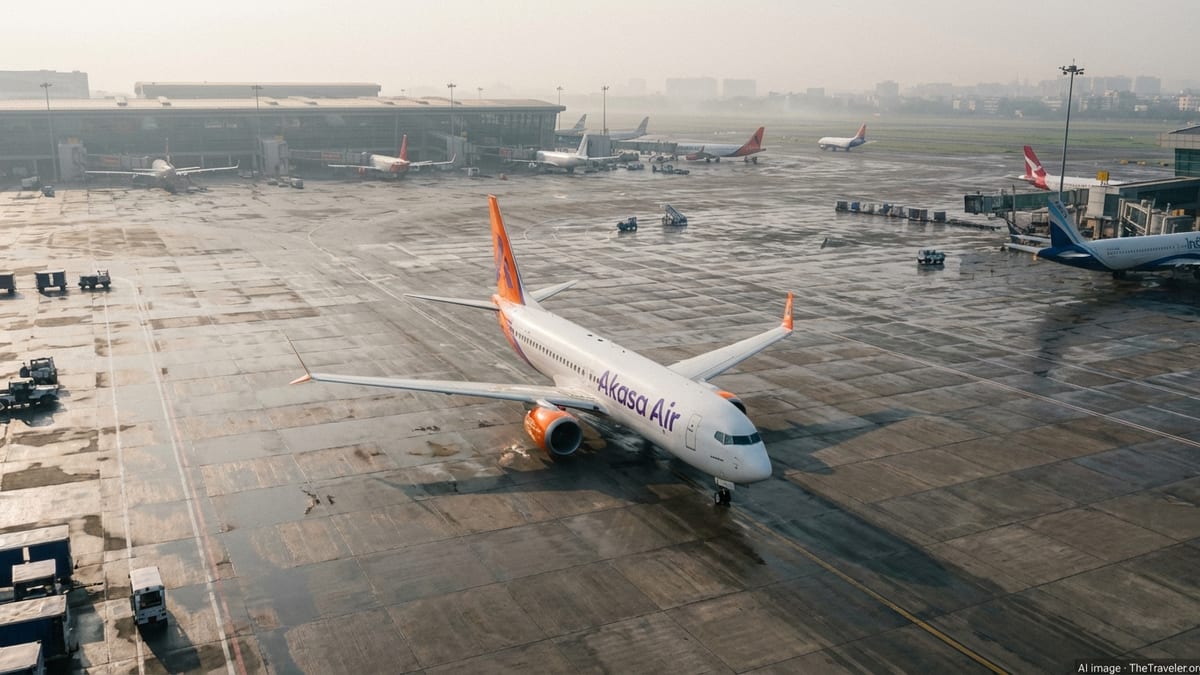
Airlines caution of knock-on delays across their networks
According to recent travel advisories reported in Indian business media, Akasa Air has warned customers that intense rainfall in Mumbai could lead to departure and arrival delays, with potential ripple effects across its domestic network. The low-cost carrier, which operates a significant number of services from Mumbai, has advised passengers to check real time flight information and arrive early at the airport to accommodate longer queues at check in and security.
SpiceJet has issued similar guidance for services linked to Dharamshala in Himachal Pradesh, where unsettled conditions and thunderstorms have been forecast. Publicly available flight tracking data for recent days shows irregular departure and arrival patterns on the Delhi to Dharamshala sector, reflecting the sensitivity of the hill station’s Gaggal Airport to poor visibility and strong winds.
The advisories come during a period in which both airlines have already been under close public scrutiny for punctuality and schedule reliability. While the latest warnings are tied directly to adverse weather, the potential for cascading disruption on busy domestic routes is likely to be a key concern for travelers heading into the heart of India’s monsoon season.
Travel industry analysts note that advisories of this kind are increasingly common as carriers seek to manage expectations and encourage passengers to use digital tools for real time updates, rather than relying solely on airport display systems or call centers.
Mumbai rainfall and Dharamshala storms challenge flight operations
India’s financial capital is entering what is typically the wettest stretch of the year, and recent updates from meteorological services indicate spells of heavy rain and thunderstorms in and around Mumbai. Even when the airport remains open, intense showers can slow ground handling, extend runway occupancy times and require additional separation between aircraft, all of which add minutes to each movement and compress already tight schedules.
Mumbai’s main airport routinely handles a high number of arrivals and departures in narrow peak windows. Aviation experts highlight that, in such an environment, relatively minor slowdowns can quickly lead to queues of aircraft on the ground and in the air. This raises the risk of crews and aircraft missing onward connections, a particular concern for carriers such as Akasa Air that rely on quick turnarounds of their narrow body fleets.
In the northern Himalayas, Dharamshala faces a different set of challenges. Local weather data for late June points to repeated thunderstorms, high humidity and strong gusts, all of which can reduce visibility and crosswind margins. Gaggal Airport, which serves Dharamshala and nearby tourist centers, has shorter runway infrastructure and more restrictive terrain compared with major metro hubs, leaving less operational flexibility when conditions deteriorate.
In such circumstances, pilots may be required to hold, divert or cancel flights altogether if cloud ceilings and wind limits fall outside approved safety parameters. This has a particular impact on point to point routes such as Delhi to Dharamshala, where there may be limited alternative services on the same day.
What passengers on affected routes can expect
For travelers booked on Akasa Air services from Mumbai, the advisories indicate a higher probability of delayed departures and arrivals, especially during periods of intense rainfall and late afternoon or evening peaks. Even flights that do not directly touch Mumbai may experience knock on effects if aircraft or crews are repositioned late from the city.
Passengers heading to or from Dharamshala on SpiceJet are being advised, through public information channels, to monitor their flight status closely on the day of travel and allow extra time at the airport. With thunderstorms in the forecast, short notice schedule changes remain possible if conditions at Gaggal Airport worsen around departure or arrival times.
Both airlines encourage travelers to make full use of digital tools such as mobile applications and online flight trackers. Third party platforms indicate that when weather disruptions occur, departure times for affected flights can shift by anywhere from several minutes to well over an hour, and in some instances may require rebooking onto later services.
Industry observers also note that ground side impacts are significant. Heavy rain in Mumbai can slow road traffic to the airport, lengthen security lines and complicate baggage handling. In hill regions like Dharamshala, storms can affect road access to Gaggal Airport, increasing the time required to complete the last leg of the journey.
Monsoon season underscores broader concerns about reliability
The timing of the latest advisories intersects with a period of heightened public discussion about on time performance among Indian carriers. Over recent months, travelers have used social media, consumer forums and aviation communities to highlight experiences of delays and cancellations across multiple airlines, including SpiceJet and Akasa Air, sometimes attributing disruptions to a combination of weather, operational constraints and fleet availability.
Regulatory frameworks in India require airlines to provide certain forms of assistance and, in defined circumstances, compensation when flights are significantly delayed or cancelled for reasons within the carrier’s control. However, when weather is the primary driver, passenger entitlements can be more limited, and rebooking options depend heavily on seat availability on subsequent services.
Analysts suggest that monsoon related disruptions tend to amplify existing operational pressures. Carriers operating with tight spare capacity may find it harder to recover from a day of severe weather, resulting in residual delays that persist into subsequent rotations. For travelers, this can mean that even flights several days after an initial storm event may still operate off schedule.
Against this backdrop, the latest warnings from Akasa Air and SpiceJet are being viewed as part of a broader pattern of airlines trying to communicate more proactively about predictable seasonal risks. Transparent messaging about the likelihood of disruption, some commentators argue, can help passengers make more informed choices about connection times, travel insurance and flexibility of plans.
Practical planning tips for upcoming trips
With forecasts indicating continued heavy showers in Mumbai and recurring thunderstorms around Dharamshala, passengers planning trips in the coming days are being encouraged by travel advisors to build additional buffers into their itineraries. This can include avoiding tight same day connections, especially when linking domestic sectors to international departures, and allowing more time between flight arrival and onward rail or road travel.
Travel specialists also recommend confirming contact details with airlines so that any schedule changes can be communicated quickly by text or email. Checking flight status on the morning of departure, and again before leaving for the airport, is considered essential during volatile weather patterns.
For visitors to hill destinations, flexibility can be particularly valuable. Where possible, booking refundable accommodation or options that permit date changes can reduce stress if weather conditions in Dharamshala lead to late arrivals or unexpected overnight stays in hub cities such as Delhi.
While the current advisories from Akasa Air and SpiceJet do not indicate large scale cancellations, they underline how quickly operations can be affected when weather deteriorates at key nodes in India’s aviation network. For travelers heading into the peak monsoon period, preparation and real time information remain the most reliable tools for keeping journeys on track.