


More news on this day
Across the Americas, the hottest nightlife is moving away from crowded dance floors toward immersive theatres, casino show districts and dark-sky parks, creating a new kind of after-dark rush where experiences, not bottle service, are the main event.
Get the latest news straight to your inbox!
Las Vegas Leads a New Era of Immersive Nightlife
Las Vegas remains the shorthand for neon nights, but its most talked-about experiences increasingly sit beyond traditional clubs. Experiential districts and high-tech venues now anchor many visitors’ evenings, blending theatre, gaming and spectacle in ways that feel closer to cinema or theme parks than to classic nightlife.
AREA15, west of the Strip, has become a key symbol of this shift. Publicly available information describes it as an “experiential district” mixing art installations, ticketed shows and late-night events under one roof, with programming that ranges from electronic music festivals to fan-focused pop-culture nights. The complex is also expanding with a Vegas Immersive District that will introduce permanent horror and themed attractions designed to operate well into the night.
Within that complex, Interstellar Arc, which opened in 2025, pushes the trend further by turning a night out into a shared space mission. Reports describe a sequence of themed environments and large-format virtual reality stages where guests move through an unfolding narrative rather than simply sitting for a show. For visitors, it offers a way to spend an evening “off Strip” without giving up the intensity or production values that Las Vegas is known for.
Even major resorts are repositioning their offerings. Recent announcements from large casino operators highlight all-inclusive entertainment packages that bundle theatre, comedy and variety shows across multiple properties, signaling confidence that audiences now weigh immersive spectacles as heavily as table games or nightclubs when planning a trip.
Casino Spectacle Replaces the Classic Club Night
Inside the casinos themselves, long-running production shows are being joined by newer concepts that blur the line between bar, cabaret and interactive theatre. Programming guides for 2025 and 2026 in Las Vegas showcase deeply themed revues, raunchy circus-style productions and comedy-driven variety acts that run late into the night, often in smaller, more intimate venues than the megaclubs that dominated the 2000s.
Fremont Street in downtown Las Vegas illustrates the pivot. Under its LED canopy, free nightly concerts and open-air performances draw both visitors and locals, creating a festival atmosphere that does not depend on a single headlining club. Nearby, cocktail bars and small stages in the Fremont East district program live music, rotating DJs and art-driven events, giving the neighborhood an energy that feels closer to an urban cultural quarter than to a casino corridor.
Beyond the core tourism zones, alternative theatre concepts are also reshaping what a casino-adjacent night can look like. Immersive cocktail shows invite audiences to move through elaborately themed spaces while performers and specialty drinks anchor the story. These experiences typically run on a timed-entry model, encouraging guests to treat them as the centerpiece of the evening rather than a prelude to a nightclub.
Industry observers note that this model spreads spending across multiple venues and extends the life of non-club attractions well after midnight. For travelers, it means a broader menu of “late but not necessarily wild” options, from magic-comedy hybrids to interactive mystery dinners, that still feel like a big night out.
After Dark Under the Stars: America’s Astrotourism Boom
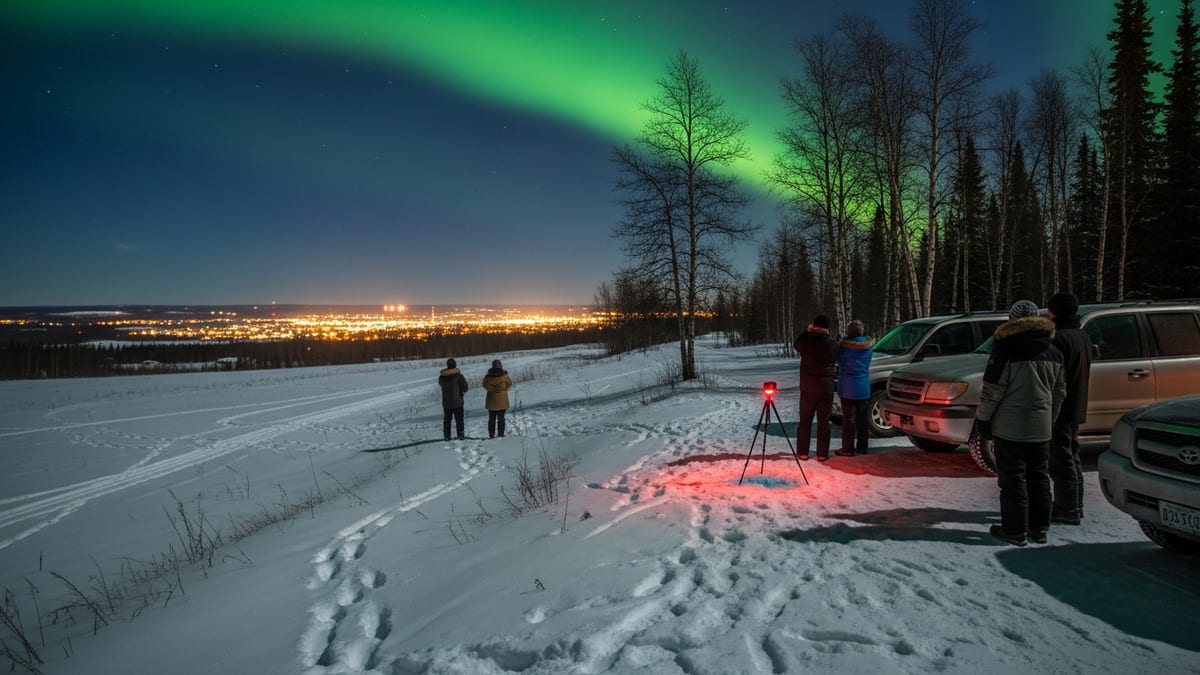
Far from the Strip’s LEDs, a quieter form of nightlife is gaining ground. Astrotourism, once a niche pursuit for amateur astronomers, is becoming a mainstream travel trend, with tour operators, destinations and national parks all positioning starry skies as a reason to stay up late.
Dark Sky International and the U.S. National Park Service report a growing list of certified dark sky parks and preserves, with more than forty units in the national park system now recognized for exceptional night conditions. Guides from travel and outdoor publications highlight places such as Death Valley National Park, the Grand Canyon region and remote corners of the Colorado Plateau as ideal for Milky Way views, meteor showers and astrophotography.
Commercial travel platforms are also tracking the shift. Recent rankings of trending stargazing destinations for 2025 point to Keweenaw Dark Sky Park in Michigan and other U.S. sites where communities have reduced light pollution and packaged astronomy programming with overnight stays. Data from these reports indicate that interest in astrotourism has grown sharply over the past year, with searches and bookings for dark-sky trips rising by triple-digit percentages.
For travelers, the result is a new kind of nightlife where headlamps replace strobe lights and telescopes stand in for DJ booths. Guided night hikes, ranger-led constellation tours and seasonal festivals centered on eclipses and meteor showers now appear alongside bar crawls in many destination calendars, broadening the definition of what it means to be out late.
Brazil Joins the Night-Sky and After-Dark Tourism Wave
The Americas’ nightlife reinvention is not confined to the United States. Brazil, better known internationally for its high-energy carnival and beach parties, is also starting to market quieter, nature-focused nights alongside its traditional club and music scenes.
Travel trend reports for 2025 single out Desengano State Park in Rio de Janeiro state as an emerging dark-sky destination, reflecting growing domestic interest in stargazing and nocturnal ecotourism. Local astronomy groups and tour operators promote late-night observations, making use of the park’s relatively low light pollution and mountainous terrain to draw visitors away from the coast after sunset.
Elsewhere in Brazil, observatories and science centers host public stargazing sessions, while rural lodges in the interior highlight clear skies as part of broader wildlife and nature itineraries. These offerings stand in contrast to the country’s image of all-night dance floors but align with global efforts to diversify tourism products and manage crowds in major cities.
The combination of traditional nightlife with quieter, sky-focused experiences mirrors the evolution seen in North America. Travelers can spend one night listening to live samba in a city bar and the next lying under the Milky Way in a protected reserve, often within a single multi-day itinerary.
From Party Scene to Plural Night Scene
Analysts of post-pandemic travel patterns note that visitors across age groups are looking for more varied and “purposeful” evenings, whether that means an immersive theatre production, a culinary-focused casino package or a night of astronomy in a national park. This has encouraged destinations to market nightlife less as a single club district and more as a portfolio of after-dark experiences.
In Las Vegas, that portfolio now spans techno-forward festivals at experiential districts, off-Strip jazz lounges, interactive shows and late-night museum-style attractions. In remote U.S. and Brazilian landscapes, it encompasses observatory visits, dark-sky festivals and guided night walks that run on set schedules similar to theatre performances.
The result is a quieter but significant redefinition of nightlife. Crowded dance floors and headline DJs remain part of the picture, yet they now share the stage with immersive storytelling, curated casino spectacles and star-filled skies that invite travelers to trade bass drops for distant constellations. For many destinations, the future of staying out late appears to lie in this broader, more plural night scene, where “real nightlife” can mean anything from a VR journey through deep space to the simple act of turning off the lights and looking up.