


More news on this day
Caribbean cruise holidays are entering a more expensive era as Mexico, The Bahamas and several island destinations move to increase passenger-related taxes and fees, reshaping the economics of one of the world’s most popular vacation sectors.
Get the latest news straight to your inbox!
New Taxes In Mexico Put Cruise Itineraries Under Pressure
Mexico, home to some of the busiest cruise ports in the western Caribbean, is preparing to introduce a new national tax on cruise visitors that could significantly raise costs on popular routes. According to published coverage of government decisions, authorities approved a levy of about 42 dollars per person per day, with implementation now delayed until July 2025 after industry concerns were raised.
The proposed charge applies across Mexican ports, including high-volume destinations such as Cozumel and Costa Maya, and would come on top of existing local port dues and municipal charges. Cruise specialists note that for a family of four calling at multiple Mexican ports on a single itinerary, the added tax could translate into hundreds of dollars in extra cost, even before considering other onboard increases.
Regional trade groups representing major cruise lines have previously warned that steep tax hikes risk prompting itinerary changes. Reports indicate that some operators have already evaluated reducing Mexican calls or substituting other Caribbean destinations if the final tax structure proves too burdensome. For now, the delayed start date is giving both Mexico and the cruise sector more time to negotiate and model the impact.
Industry analysts suggest that Mexico’s strategy reflects a broader push to capture a larger share of the value created by cruise tourism, particularly in ports where visitor numbers have soared faster than public revenues. However, they also point out that higher head charges could weaken the country’s competitive position against nearby islands offering more moderate fee structures.
The Bahamas Tightens Revenue From Record Cruise Volumes
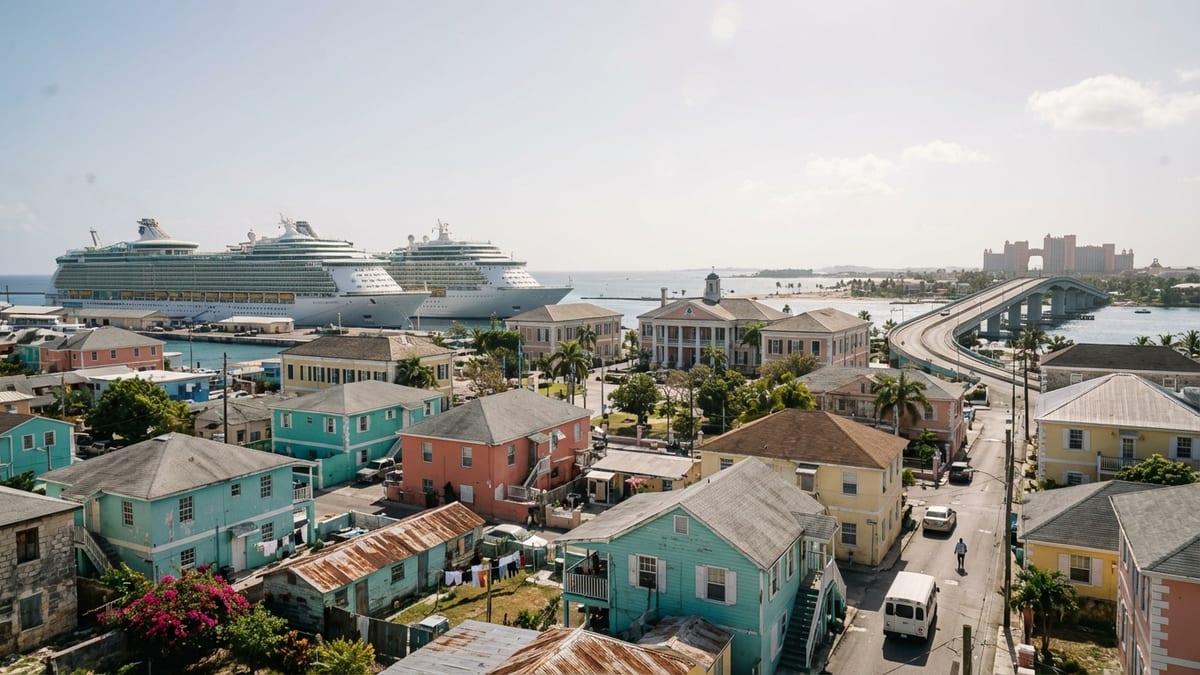
The Bahamas, one of the biggest cruise hubs in the world, is also reshaping how it earns income from the millions of passengers arriving by sea. Government budget documents and public statements highlight that cruise arrivals reached roughly 9.4 million passengers in 2024, yet direct tax and fee revenue has lagged behind overall visitor growth.
In response, The Bahamas has introduced a mix of higher departure taxes, environmental levies and tourism enhancement charges linked specifically to cruise visitors. Earlier measures included an increase in departure tax from 18 to 23 dollars for passengers leaving major ports such as Nassau, Freeport and Bimini, a higher rate for smaller islands, and an even larger charge for departures from private cruise destinations. Newer frameworks add a dedicated sustainability levy and refine collection rules to reduce unpaid balances from cruise operators.
More recently, official budget and central bank reports have underscored tighter tax compliance and updated schedules under the Passenger Tax Act, signaling the government’s intention to stabilize public finances by capturing more consistent revenue from cruise calls. Authorities are pairing these moves with investments in port infrastructure and destination upgrades, aiming to defend the country’s appeal even as costs rise.
For travelers, the result is a gradual but noticeable increase in per-person taxes and fees embedded in cruise fares that include Bahamian stops. While the amounts are often bundled into overall advertised prices, consumer advocates point out that higher government charges, when combined with line-specific fees and gratuities, make it harder for bargain-seekers to replicate the low base fares seen before the pandemic.
Other Caribbean Islands Follow With Head Tax and Port Fee Hikes
Beyond Mexico and The Bahamas, several Caribbean destinations have moved in the same direction, raising head taxes and port charges after years of relative stability. Barbados, for example, approved a plan to double its long-standing cruise passenger head tax from 6 to 12 US dollars, with implementation set after nearly three decades without adjustment. Local coverage described the change as a response to fiscal pressures and debates over whether cruise tourism was contributing enough to the island’s economy.
In the US Virgin Islands, recent public hearings outlined plans to raise cruise port fees in St. Thomas, one of the busiest ports in the eastern Caribbean. Industry-focused reporting notes that the higher fees, collected at key berths such as Havensight and Crown Bay, are earmarked for infrastructure improvements and long-term maintenance. Other islands, from Bermuda to smaller eastern Caribbean ports, have signaled or adopted similar increments in passenger or port charges.
These increases are relatively modest on a per-person basis, often measured in single-digit dollar amounts. However, they come on top of one another across multi-stop itineraries, and they follow an extended period when many Caribbean governments held fees flat to attract ships during the recovery from travel shutdowns. As fiscal pressures grow and infrastructure needs mount, policymakers now appear more willing to test the upper limits of what cruise lines and their customers will tolerate.
Cruise operators, for their part, continue to emphasize that ports remain partners, but several executives have used recent earnings calls and travel industry forums to call for “reasonable” increases tied to clear improvements in facilities. Market observers expect ongoing negotiations over future hikes, particularly in smaller destinations working to fund pier expansions, dredging and shore power projects.
Fare Transparency Rules Expose the Real Cost Of Taxes And Fees
The wave of Caribbean fee increases is colliding with changing pricing rules in key source markets such as the United States and Canada. Travel coverage from major newspapers and trade outlets indicates that large cruise lines including Royal Caribbean, Carnival, Norwegian and Princess have started folding mandatory taxes, port fees and other charges into their headline prices for many customers, rather than displaying low base fares with extra amounts in fine print.
Regulatory scrutiny of so-called drip pricing has pushed brands toward more transparent advertised totals, especially on itineraries sold to North American travelers. As a result, future cruise shoppers are more likely to see higher sticker prices that fully reflect Caribbean head taxes, port charges and government levies, instead of only discovering them late in the booking process.
At the same time, cruise-specific taxes and fees remain highly variable by itinerary. Information published by the cruise lines shows that total government taxes, port charges and related expenses on a typical weeklong Caribbean sailing can easily exceed one hundred dollars per person, and substantially more on routes with many port calls. When layered with rising onboard service charges and optional packages, the all-in vacation cost trends noticeably upward.
Analysts note that while more honest pricing may help consumers compare options, it also makes the impact of new Caribbean fee regimes more visible. That transparency could strengthen arguments from destination governments that cruises were previously underpriced relative to their true cost, while giving price-sensitive travelers an incentive to shorten itineraries or shift to alternative vacation types.
A More Expensive Era For Cruise Holidays Takes Shape
Across the region, the combination of higher government fees, infrastructure-driven port charges and new transparency rules is gradually rewriting the economics of mainstream cruising. Caribbean itineraries, long marketed as some of the most affordable holidays in global travel, are starting to show firmer price floors as both destinations and cruise companies seek to protect margins.
Published industry data suggests that cruise fares have already climbed compared with pre-pandemic levels, buoyed by strong demand and limited near-term capacity growth. Executives at major lines have described a strategy focused on selling available berths at the highest sustainable yields, leveraging the Caribbean’s enduring appeal and new megaships that pack more revenue-generating features onboard.
For destinations such as Mexico and The Bahamas, rising fees reflect broader debates over sustainability, crowding and fair returns from mass tourism. Governments argue that added revenue is needed to maintain ports, support communities and fund environmental protections, particularly in fragile marine environments where large ships exert outsized pressure.
For travelers, the changing landscape means it is increasingly important to look beyond base cruise fares and pay attention to the full list of taxes, fees and port expenses embedded in bookings. As more Caribbean governments revise their passenger charges in the coming years, the era of the ultra-cheap cruise holiday appears to be giving way to a model in which both destinations and cruise lines capture a greater share of the value of every cabin sold.