


More news on this day
Heavy monsoon showers in Mumbai are disrupting operations at Chhatrapati Shivaji Maharaj International Airport, with Akasa Air and SpiceJet warning passengers of possible delays and knock-on disruptions across their domestic networks.
Get the latest news straight to your inbox!
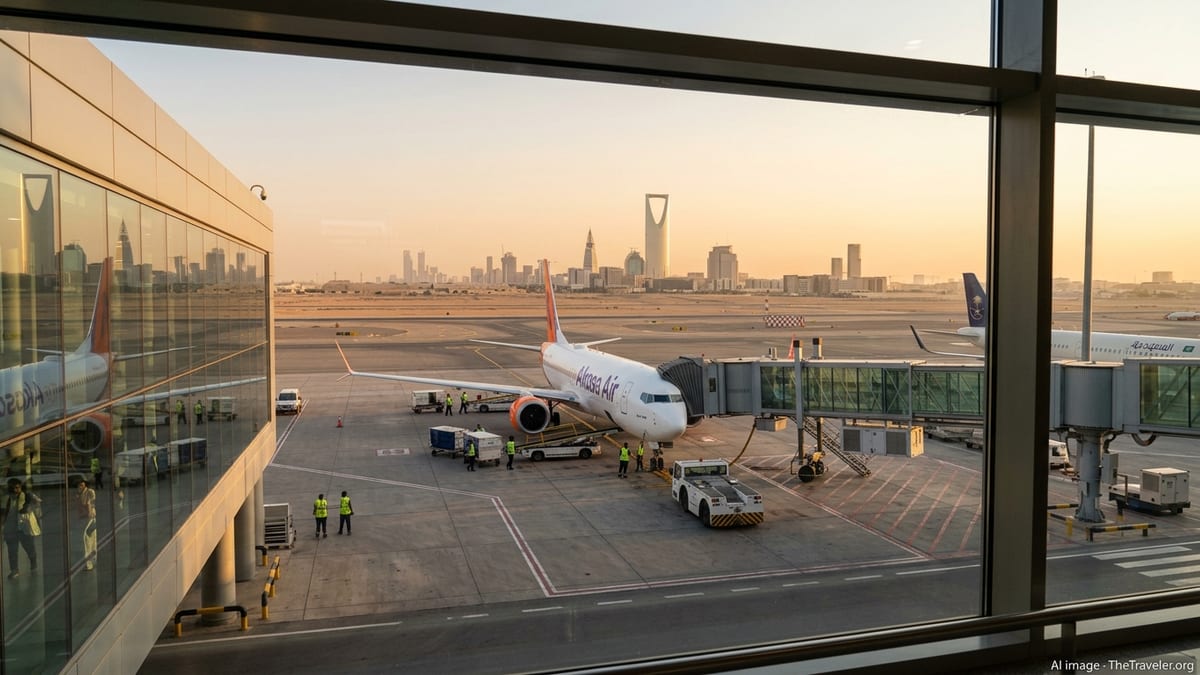
Bad weather, saturated schedules trigger fresh disruption
After a sluggish start to the monsoon, a spell of intense rain late in June has begun to affect aviation in India’s financial capital. Local weather reports show that Mumbai has swung from a rainfall deficit earlier in the month to short, heavy bursts of precipitation that have produced waterlogging, slower road traffic and reduced visibility around the airport. These conditions are now feeding into delays for both arrivals and departures.
Publicly available information from Mumbai-based outlets indicates that airlines operating from Chhatrapati Shivaji Maharaj International Airport have issued travel advisories flagging expected disruption. Akasa Air and SpiceJet are among the carriers drawing attention to the impact of the weather, alongside larger rivals that also serve the city’s busy domestic and international terminals.
Operational data collated over recent days points to lengthening turnaround times as ground handling is slowed by rain and congestion. When combined with tight schedules and high aircraft utilisation typical of the Indian domestic market, even modest initial delays can cascade through the day, affecting flights that are not directly exposed to the worst of the weather.
Meteorological bulletins for Mumbai and neighbouring districts continue to highlight the risk of intense showers within short time windows. For airlines, this increases the likelihood of temporary runway restrictions, spacing between arrivals and departures, and occasional diversions to other airports when local conditions deteriorate.
What Akasa Air is telling passengers
Akasa Air, which operates an all‑Boeing 737 fleet and has a significant presence at Mumbai, has used its public channels to caution that heavy rainfall around the city could lead to delays not only on Mumbai departures and arrivals, but also on connecting and through flights. The airline’s network structure means that disruption at its western hub can ripple out to destinations across the country.
Travel advisories visible on Monday indicate that Akasa is urging customers to monitor their flight status closely before heading to the airport. Passengers are being directed to use the carrier’s website and mobile app for real‑time updates, and to allow additional time for reaching the terminal due to reports of waterlogging and slower surface transport in parts of the city.
Schedule information suggests that Akasa flights linking Mumbai with key cities such as Bengaluru, Delhi and Guwahati remain largely intact, but subject to weather‑related slippage in departure and arrival times. Where delays extend, crew duty limits and aircraft rotation constraints can force further rescheduling, which in turn affects later flights across the network.
The airline has in recent months promoted its on‑time performance as a differentiator in India’s crowded low‑cost market. Episodes of monsoon disruption test that positioning and add pressure to keep passengers informed when conditions outside the airline’s control erode punctuality.
SpiceJet’s operations under renewed scrutiny
SpiceJet, which also flies a large domestic schedule from Mumbai, is facing renewed attention as fresh weather‑related disruption coincides with an already strained operational reputation. Public discussion on social platforms in June has highlighted repeated delays and cancellations affecting the carrier’s services into and out of the city, many of them linked to weather, congestion or aircraft availability.
According to published coverage on Monday, SpiceJet has issued advisories similar to those of its competitors, pointing to potential delays from bad weather in both Mumbai and Dharamshala. While the immediate trigger is the monsoon, the impact is being felt by passengers who have experienced a series of irregular operations on the airline in recent weeks, from prolonged waits at terminals to late‑night arrivals.
Flight tracking and user reports show that services on busy routes such as Mumbai to Bengaluru and Mumbai to Delhi have been particularly vulnerable to rolling delays. As with other carriers, each affected sector has the potential to upset aircraft rotations and crew rosters, sometimes feeding into subsequent cancellations when schedules can no longer be recovered within regulatory duty time limits.
Analysts note that weather events tend to expose underlying fragilities in airline operations, whether related to fleet size, spare aircraft availability or staffing. For SpiceJet, which has been navigating financial and legal headwinds over the past few years, the latest bout of bad weather adds to an already complex operating environment.
What travelers flying through Mumbai should do now
For passengers booked on Akasa Air or SpiceJet flights to or from Mumbai over the coming days, the most important step is to track flight status up to the moment of departure. Both airlines provide digital tools that reflect schedule changes more quickly than third‑party travel sites, although there can still be a lag in fast‑moving situations.
Travel advisories recommend arriving at the airport earlier than usual to account for slower traffic on roads affected by waterlogging and congestion. Passengers departing in peak evening and early‑morning bank periods should be prepared for longer queues at check‑in and security, especially if multiple flights experience simultaneous delays.
Those with onward connections booked on separate tickets are being advised in public forums to build in generous buffers, as even modest delays in or out of Mumbai can jeopardise tight self‑made connections at other hubs. Where trip plans are flexible, some travellers may opt to shift to flights outside the heaviest forecast rainfall windows, although last‑minute changes are often subject to standard fare rules.
Insurance policies that include disruption cover may provide limited compensation for extended delays or missed connections, but many exclude weather as a trigger unless specific thresholds are met. Passengers are encouraged to review their policy wording in advance rather than at the airport.
Your rights when flights are delayed by bad weather
Under India’s civil aviation regulations, compensation rules differ depending on whether a delay or cancellation is within an airline’s control. Weather‑related disruptions are generally classified as extraordinary circumstances, which can limit direct financial compensation to passengers. However, carriers are still expected to offer certain forms of assistance when delays become lengthy.
Publicly available regulatory summaries indicate that for significant delays, airlines may provide meals, refreshments or hotel accommodation where appropriate, even when the cause is adverse weather. The exact level of support can vary by airline and by situation, and is often shaped by internal policies as well as airport infrastructure and available inventory.
Airlines typically offer affected passengers the option to move to the next available flight on the same carrier in cases of major disruption. Where this is not feasible, travellers may be able to seek refunds or credit vouchers in line with fare conditions. Some carriers state in their conditions of carriage that they will prioritise rebooking for elderly passengers, families with young children and those with special assistance needs.
Consumer advocates emphasise the importance of keeping documentation such as boarding passes, delay notifications and receipts for out‑of‑pocket expenses. These records can help support later claims to airlines, travel agencies or insurers, particularly when irregular operations stretch over several hours or involve overnight stays.
What to watch in the days ahead
Meteorological outlooks suggest that Mumbai and parts of Maharashtra may see further episodes of heavy rain as the monsoon settles in, with intermittent lulls followed by periods of intense showers. For aviation, this pattern often translates into intermittent but repeated disruption rather than a single sustained shutdown.
Airport authorities have already completed scheduled pre‑monsoon maintenance on Mumbai’s runways, which is intended to improve drainage and reduce the risk of prolonged closures. Even so, strong crosswinds, low cloud and temporary visibility drops can still force air traffic control to moderate movements, slowing the rate at which aircraft can land and take off.
Industry observers will be watching how airlines such as Akasa Air and SpiceJet manage their schedules through the early weeks of the monsoon. Decisions around adding buffer time, deploying reserve aircraft and adjusting frequencies on the most weather‑sensitive routes are likely to shape the passenger experience through July.
For now, travellers planning to use Mumbai as an origin, destination or connection point are being urged by publicly available advisories and travel reports to stay flexible, build extra time into their itineraries and keep a close eye on local weather forecasts as well as airline channels before setting out for the airport.