


More news on this day
Cape Girardeau, the historic Mississippi River city in southeast Missouri, is entering a new phase in its tourism story as increased river cruise calls, downtown reinvestment and updated marketing efforts begin to align, signaling a stronger travel future for the regional hub.
Get the latest news straight to your inbox!
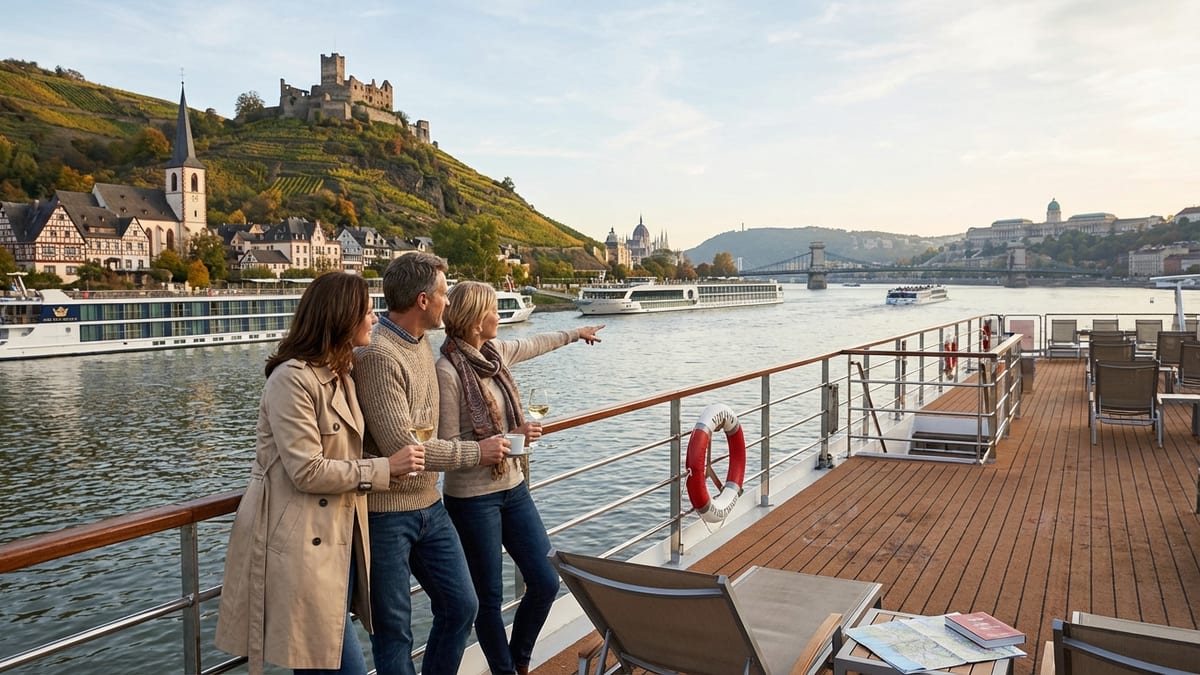
River Cruise Calls Anchor a New Tourism Chapter
Growing activity on the Mississippi River is helping to redefine Cape Girardeau’s role on the U.S. river-cruise map. Public schedules and travel coverage show that American Cruise Lines and Viking now dominate overnight itineraries on the river after the shutdown of American Queen Voyages earlier in 2024, concentrating passenger volumes onto fewer but larger vessels. Industry reports indicate that these itineraries commonly feature stops at smaller ports such as Cape Girardeau, New Madrid and Paducah as part of weeklong journeys between major gateways including New Orleans, Memphis and St. Louis.
Regional media coverage from summer 2024 highlighted the return of the Viking Mississippi to Cape Girardeau when high water and lock issues upriver forced itinerary changes, underscoring the city’s flexibility as an alternative port of call. Local tourism officials used the occasion to draw attention to the city’s capacity to host large riverboats along its central riverfront, where passengers step directly into the historic downtown grid.
Visitor information published by the city’s tourism office promotes riverboat dockings as signature events, with schedules showing multiple calls by modern riverboats through the cruising season. While the overall U.S. river-cruise fleet remains relatively small, trade publications describe growing demand for domestic river cruising, suggesting that Cape Girardeau stands to benefit as operators refine routes and seek ports with walkable centers and distinctive heritage districts.
Downtown Riverfront Investments Reframe the Visitor Experience
Alongside renewed cruise traffic, Cape Girardeau is reshaping the physical experience awaiting visitors at the water’s edge. The city’s comprehensive planning documents and downtown strategy materials emphasize expanding multi-use riverfront park space, enhancing connections through and over the floodwall, and creating new vantage points for views of the Mississippi. Riverfront Park, already positioned between the levee wall and the river, remains the primary staging point for boat arrivals and casual viewing of barge traffic and riverboats.
Plans referenced in city documents call for more elevated event spaces and rooftop dining options with river views, as well as additional green space adjacent to the floodwall on the downtown side. These concepts are designed to build on existing amenities such as the riverfront murals, which trace the region’s history along the length of the floodwall and serve as a visual gateway for passengers disembarking from cruise ships.
Publicly available planning material also points to long-term ambitions for an expanded trail network, improved access to the water and potential interpretive facilities focused on the area’s natural and cultural history. For travelers, the result is a gradual shift from a riverfront experienced primarily as a viewing platform toward one that functions as an integrated park and cultural district linked to downtown shops, restaurants and historic sites.
Extending Stays Beyond the Day-Trip Market
Tourism data shared in investor presentations for the city’s riverfront casino complex illustrates a key challenge and opportunity for Cape Girardeau: a large share of visitation currently comes from people living within a relatively short drive, with a high proportion of same-day trips. That pattern reinforces the city’s role as a convenient regional outing but limits the broader economic impact that longer stays and overnight tourism can generate.
In response, current marketing materials from Visit Cape emphasize multi-day experiences, highlighting combinations of riverfront attractions, historic sites, local wineries, regional parks and family-friendly activities. The city’s official visitor guide promotes Cape Girardeau as a base for exploring southeast Missouri, positioning the riverfront city as more than just a brief stop between larger destinations.
Overnight river-cruise passengers represent one avenue for extending visitor spending, as many itineraries allow time for guided excursions, independent exploration and local shopping before passengers reboard. By strengthening connections between the dock, downtown businesses and regional attractions, local planners aim to convert short port calls and day visits into repeat trips and longer stays.
Heritage, Nature and Events Shape the Destination Mix
Cape Girardeau’s tourism portfolio continues to lean on its layered history and natural setting. The city, which developed as a major Mississippi River port in the steamboat era, ties its narrative to figures such as Mark Twain, Ulysses S. Grant and the explorers of the early 19th century, themes that feature prominently in visitor guides and interpretive materials. Historic downtown architecture, courthouse squares, churches and landmarks reinforce the sense of a long-standing river community.
Beyond the urban core, surrounding state parks, conservation areas and trails provide hiking, birdwatching and scenic drives within a short radius, appealing to travelers who pair cultural touring with outdoor recreation. Planning documents reference aspirations for an expanded trail system that could eventually link the riverfront to additional natural areas, potentially strengthening Cape Girardeau’s appeal to cyclists and eco-focused visitors.
Events, from seasonal festivals to arts programming and regional gatherings, add another layer to the city’s draw. While many of these happenings are geared toward residents, they also serve as entry points for visitors discovering the destination for the first time. Riverboat arrivals often coincide with downtown programming, creating a sense of occasion on days when cruise ships are in port.
Balancing Growth With River Realities
As Cape Girardeau looks ahead, the city’s travel future remains closely tied to the dynamics of the Mississippi River itself. Industry reporting has noted that U.S. river cruising faces operational challenges from fluctuating water levels and infrastructure constraints, which can prompt last-minute itinerary changes. The temporary rerouting of Viking Mississippi cruises in 2024 due to high water upriver illustrated both the risks and the opportunities for ports that can accommodate diversions.
At the same time, the consolidation of operators on the river, with American Cruise Lines and Viking emerging as the primary players after the exit of American Queen Voyages, provides a clearer framework for long-term partnerships between cruise companies and river towns. Cape Girardeau’s combination of docking infrastructure, walkable historic core and ongoing riverfront investments positions the city to compete for a stable place on future itineraries.
Public strategies centered on diversified tourism, however, suggest that local leaders are not relying on cruise traffic alone. By pairing river-based visitation with drive-market campaigns, downtown revitalization and expanded outdoor offerings, Cape Girardeau is working to ensure that its next tourism chapter remains resilient, even as the Mississippi continues to shape how and when travelers arrive.