


More news on this day
Cape Girardeau, a Mississippi River city long associated with grain terminals and barge traffic, is entering a new phase as fresh investment in entertainment, lodging and riverfront amenities begins to reposition the southeast Missouri community as a more prominent tourism stop.
Get the latest news straight to your inbox!
New Hotel Anchors Casino-Led Tourism Growth
Publicly available corporate filings and engineering records indicate that Century Casino’s 69-room Riverview Hotel, opened in 2024 and connected directly to the downtown casino complex, has become a key piece of Cape Girardeau’s tourism infrastructure. The six-story hotel, built on the riverfront and integrated with the existing gaming floor and event spaces, adds higher-end rooms with direct views of the Mississippi, addressing a longstanding shortage of walkable lodging in the city’s core.
Century Casinos’ investor materials describe the Cape Girardeau property as part of a broader Midwest growth strategy focused on pairing regional casinos with attached hotels and meeting space. The Riverview project, developed after the company acquired the former Isle Casino Cape Girardeau, is presented as a way to increase overnight stays and capture more visitor spending from both gaming patrons and non-gaming guests.
Missouri Gaming Commission transcripts and chamber of commerce updates describe the Riverview as one of the more significant private tourism-related investments in the region in recent years. The addition of modern rooms, suites and small meeting facilities has allowed the complex to host more events on site, a change that tourism advocates in the city view as a step toward competing with larger river markets such as St. Louis and Memphis.
Industry observers note that the casino-hotel combination is important because it ties gaming revenue to broader visitor activity. Guests staying on the riverfront can now walk directly into historic downtown streets, where independent restaurants, boutiques and cultural venues have been working to attract more out-of-town traffic.
Riverfront Park, Floodwall Murals and Cruise Calls Gain New Focus
Beyond the casino district, Cape Girardeau’s public riverfront is playing an increasing role in the city’s tourism strategy. Riverfront Park, situated between the Mississippi and the protective floodwall, has long offered viewing platforms and access to the landmark Bill Emerson Memorial Bridge. Recent descriptions of the site highlight continued improvements to public spaces and interpretive features that help connect visitors with the working-river landscape.
The city’s extensive floodwall murals, depicting local history from early settlement through the riverboat era, have become one of Cape Girardeau’s most photographed attractions. Tourism materials promote guided and self-guided walks along the murals, positioning the artwork as a natural stop for cruise passengers and day-trippers moving between the river and downtown.
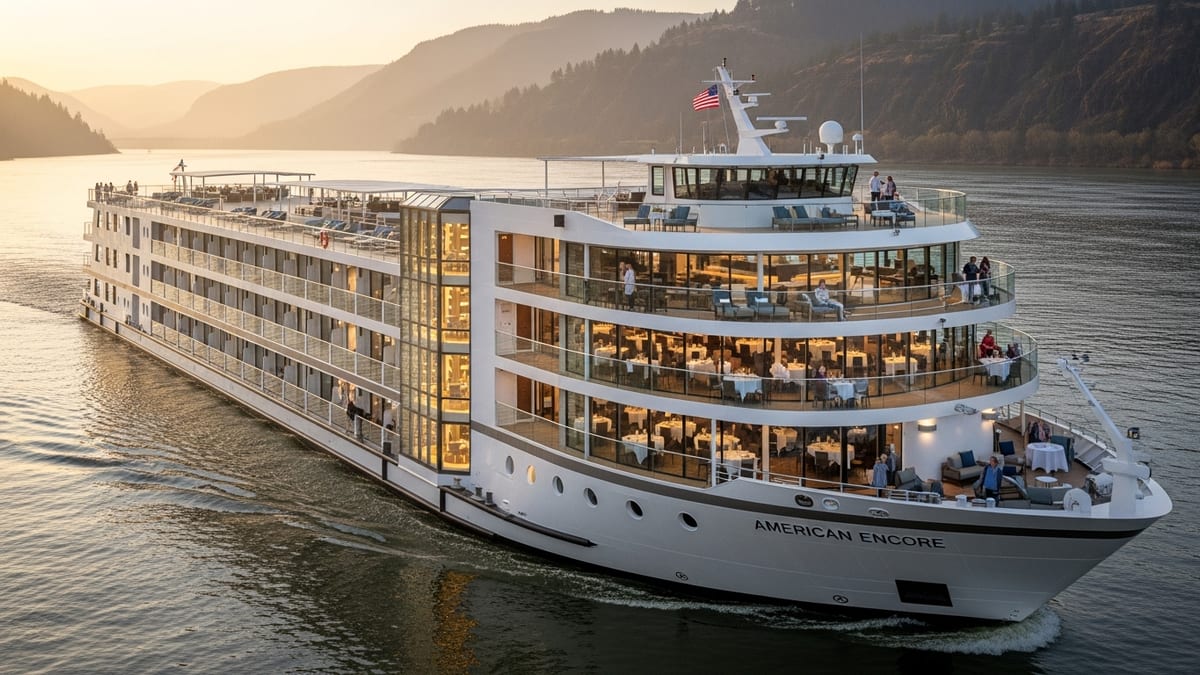
Cruise industry schedules compiled by independent tracking sites show that Cape Girardeau is now a recurring port of call for operators such as American Cruise Lines, which features the city on complete Mississippi River itineraries between New Orleans and the upper Midwest. Cruise passengers typically spend a day in port, taking walking tours of the historic district, visiting museums and patronizing local restaurants and shops.
Travel forums and river-cruise discussions describe Cape Girardeau as a “classic small river city” stop, often grouped with communities such as Vicksburg and Natchez in terms of scale and atmosphere. As more long-haul river itineraries add the port to their schedules, local tourism promoters are working to extend the impact beyond a single afternoon by encouraging repeat visits and longer regional stays.
Downtown Development and Events Strengthen Visitor Appeal
Recent regional news coverage points to a broad wave of development across Cape Girardeau that extends beyond the casino block. Local reporting cites new restaurants, retail projects and housing under construction or planned in and around the central city, a trend that business groups say is reshaping the experience for visitors who spend time downtown before or after river cruises, conventions or sporting events.
The Marquette Tower and adjoining buildings, once highlighted in tax increment financing documents as a cornerstone of a “Marquette Tech District,” have been part of ongoing efforts to inject technology, hospitality and residential uses into older structures. While redevelopment has advanced in stages, the overall concept of a mixed-use downtown anchored by renovated historic buildings continues to inform conversations about Cape Girardeau’s future visitor economy.
On the programming side, the city’s official tourism calendar lists a steady schedule of festivals, markets and cultural events throughout the year. Seasonal riverfront festivals, downtown markets and the SEMO District Fair draw visitors from across southeast Missouri, while smaller gatherings such as live music series and holiday celebrations help maintain foot traffic during shoulder seasons.
Local tourism summaries emphasize that such events have a measurable economic effect. A 2024 analysis by the Cape Girardeau Area Chamber of Commerce, drawing on state tourism data, estimated that visitor-related business and industry account for more than $266 million in annual economic impact in Cape Girardeau County, underscoring tourism’s role alongside healthcare, education and logistics in the regional economy.
Statewide Tourism Momentum Reaches the Southeast Corner
Missouri’s statewide tourism sector has been growing, and recent figures from the Missouri Division of Tourism cited by business organizations estimate that visitor spending generated nearly 20 billion dollars in economic impact during the 2023 fiscal year. Cape Girardeau, situated along key north-south travel corridors and within driving distance of St. Louis, Memphis and Nashville, is increasingly positioning itself to capture a larger share of that activity.
Regional advocates point out that the city’s mix of university life, medical facilities and logistics hubs creates a built-in base of business and education travel. Southeast Missouri State University brings a steady flow of students, families and conference attendees, while the city’s healthcare network attracts patients and professionals from surrounding rural counties, many of whom combine necessary trips with shopping or leisure activities.
Travel planning resources now routinely highlight Cape Girardeau as a base for exploring nearby outdoor destinations, including state parks, conservation areas and river bluffs. Online discussions by visitors reference day trips to Ozark streams and springs within a couple of hours’ drive, suggesting that the city’s future tourism growth may hinge on bundling urban amenities with regional nature experiences.
As Missouri invests in marketing campaigns around small cities and rural recreation, Cape Girardeau’s riverfront identity and bolstered lodging options give it a clearer story to tell. The presence of a modern casino hotel, enhanced public spaces and a full events calendar provides state-level promoters with tangible assets to feature in campaigns targeting both domestic and international visitors.
Challenges and Opportunities in a Competitive River Corridor
Despite the positive indicators, Cape Girardeau operates in a competitive Mississippi River corridor where larger destinations market heavily and vie for limited cruise slots and leisure spending. Neighboring states are investing in their own riverfronts, and river cruise lines regularly adjust itineraries based on water levels, docking capacity and passenger demand.
Infrastructure, including water and transportation systems, has been a subject of local discussion as new projects come online. Residents and commentators have raised questions about how the city will balance increased commercial activity with the need to maintain reliable basic services and protect quality of life for permanent residents, particularly in historically quiet neighborhoods near new development.
Tourism planners watching these dynamics suggest that Cape Girardeau’s advantage lies in leveraging its walkable downtown, intact historic fabric and intimate scale. Efforts to maintain authentic local character, support small businesses and preserve river views are seen as important in differentiating the city from larger urban casino markets and more heavily commercialized riverfronts.
As construction cranes, riverboats and festival banners increasingly share the same skyline, Cape Girardeau’s next chapter as a river city is still being written. The emerging mix of private investment, public amenities and cultural programming indicates that tourism will remain a central part of that story, even as the community navigates how much growth it wants along its storied stretch of the Mississippi.