


More news on this day
An Alberta couple vacationing in Saint Lucia say a WestJet rebooking left them unexpectedly stranded in the Caribbean, after new travel arrangements allegedly failed to account for their different citizenships and the transit rules they faced along the way.
Get the latest news straight to your inbox!
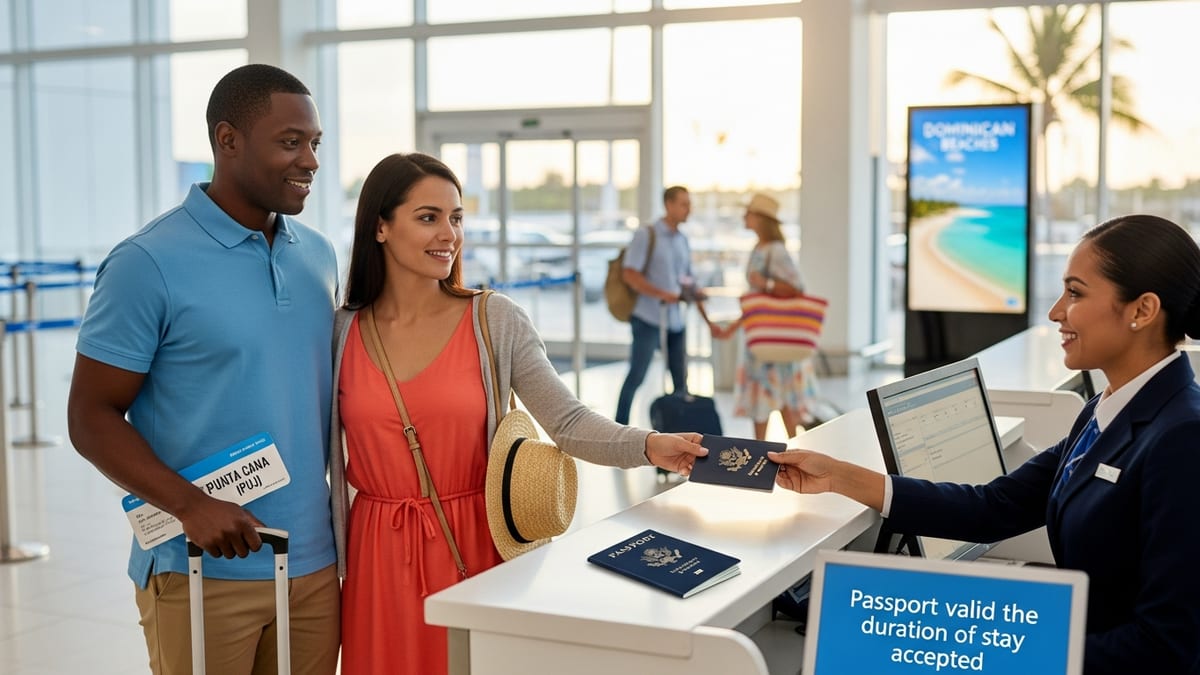
Rebooked itinerary leaves couple unable to board
According to published coverage in Canadian media, the couple from Alberta were scheduled to return home from Saint Lucia on a WestJet itinerary when their original flight was disrupted. The airline reportedly rebooked them on a new route that involved multiple connections, including a transit point where entry rules differ depending on a traveler’s citizenship.
Reports indicate that one partner holds Canadian citizenship while the other is a foreign national who resides in Canada. When the pair attempted to travel on the alternative itinerary, staff at the transit point determined that the non-Canadian passenger did not meet the entry or transit requirements for that country. As a result, the couple were not permitted to board their onward flight, cutting short the rebooking before they could even leave the region.
The travelers described the experience as “a bit torturous,” saying the rebooking did not reflect the basic fact that two people on the same reservation carried different passports. Their account has raised questions over how carefully airlines check passenger documentation and route combinations when reissuing tickets after schedule disruptions.
Publicly available information shows that international transit rules can be complex and may change frequently, with different conditions applying to travelers based on nationality, residency status, and even recent travel history. In this case, those rules appear to have become a decisive barrier that the new itinerary failed to anticipate.
Days stranded in Saint Lucia as costs mount
The couple told local and national outlets that once the new itinerary fell apart, they found themselves effectively stranded in Saint Lucia, needing to secure extra accommodation and meals while trying to sort out next steps. Their return home was delayed by several days, turning what was meant to be a routine journey into an extended and costly stay.
Coverage of the incident notes that the travelers had already completed their vacation and were ready to fly home when the disruption occurred, leaving little flexibility in their budget or work schedules. Each additional night on the island added to their expenses, from hotel bills to transport and food, as they waited for a viable route back to Canada.
Reports indicate that, during this period, the couple repeatedly contacted the airline to seek an alternative solution that would respect the non-Canadian partner’s documentation and the rules in potential transit countries. While they were eventually able to secure a way home, they say the process was slow and stressful, with uncertainty hanging over every proposed option.
The situation unfolded at a time when airlines worldwide continue to handle tight schedules and occasional operational disruptions, meaning that when something goes wrong, passengers can face limited and less flexible rebooking choices. For travelers far from home, this can quickly translate into unplanned expenses and logistical headaches.
WestJet’s response and questions over rebooking process
According to published reports, WestJet stated that it could not comment in detail on the specific case but emphasized that passengers are responsible for ensuring they hold the correct documentation for all segments of their journey. The airline has also noted in previous public statements that entry and transit requirements are set by governments, not carriers, and can change with little notice.
At the same time, consumer advocates quoted in related coverage point out that airlines routinely request passport details during booking and check-in, information that could help identify potential red flags when an itinerary is significantly changed. When a carrier initiates a rebooking, particularly onto a more complex multi-stop route, they argue that additional checks could help prevent passengers being sent into situations where transit is impossible.
The Alberta couple’s experience has drawn attention to how rebooking decisions are made behind the scenes. Reports suggest their new itinerary was issued quickly to resolve the original disruption but did not appear to involve a detailed review of the distinct citizenship status of each traveler. This raises broader questions over how automated many rebooking processes are and whether they are sufficiently tailored to individual passenger profiles.
Industry observers note that, while airlines must process large volumes of changes whenever schedules shift, the rise of code-shares, alliances, and multi-leg journeys means that a one-size-fits-all approach can sometimes fail. When a reservation includes travelers with different passports, the consequences of such oversights can be significant.
Complex travel rules collide with automated systems
Travel experts cited in media reports highlight that international air travel now involves a dense web of requirements, from e-visas and transit visas to vaccination and security rules that vary by nationality. These conditions are typically stored in specialized databases consulted by airlines and border agencies, but the accuracy of an itinerary still depends on how fully a traveler’s profile is captured and checked.
In situations like the one involving the Saint Lucia trip, a change to routing can introduce new legal and administrative obligations that were not present on the original ticket. Even a seemingly minor shift in connecting airport can bring different transit rules into play, especially when moving between regions with stricter entry controls.
Publicly available guidance from travel agencies and government advisories stresses that passengers should verify requirements independently whenever an itinerary is altered, particularly if it adds extra stops or transfers in unfamiliar countries. However, the Alberta couple’s story illustrates how difficult this can be in practice when changes are made quickly and travelers rely on carriers to propose workable options.
The case also underscores a broader tension between automated rebooking tools, which prioritize speed and seat availability, and the individualized checks needed to ensure that complex passenger profiles will clear every border on a multi-leg journey. As more airlines lean on digital systems to handle disruptions, consumer advocates suggest that edge cases like mixed-citizenship bookings may require additional human review.
Calls for clearer communication and safeguards
Following coverage of the Saint Lucia incident, commentators have pointed to the need for clearer communication from airlines and booking platforms when substantial changes are made to an itinerary. Suggestions in opinion pieces include more explicit warnings urging travelers to recheck visa and transit requirements, as well as tools that flag when members of the same booking hold different citizenships.
Some observers argue that, while passengers ultimately bear responsibility for their documents, carriers can play a more proactive role in highlighting potential problem points, especially when rebooking routes outside a traveler’s original plan. This could involve prompts during reissue to confirm that all travelers are eligible to transit through each added country, or temporary holds that give customers time to review requirements before accepting a new itinerary.
For the Alberta couple, the focus now appears to be on recouping at least some of the costs associated with their extended stay and seeking assurances that others are less likely to face similar difficulties. Their account has resonated with travelers who have experienced complicated rebookings or last-minute route changes, particularly since the pandemic period when schedules became more fluid.
As airline operations continue to normalize, the Saint Lucia case serves as a reminder that even as technology has simplified many aspects of booking and check-in, the underlying rules of international travel remain intricate. When disruptions occur, the intersection of those rules with automated systems can have very real consequences for the people trying to get home.