


More news on this day
Powerful wind gusts sweeping across northwest Iceland on November 2 and 3 are triggering travel warnings for visitors, as road safety alerts highlight difficult conditions for drivers in exposed coastal and mountain areas.
Get the latest news straight to your inbox!
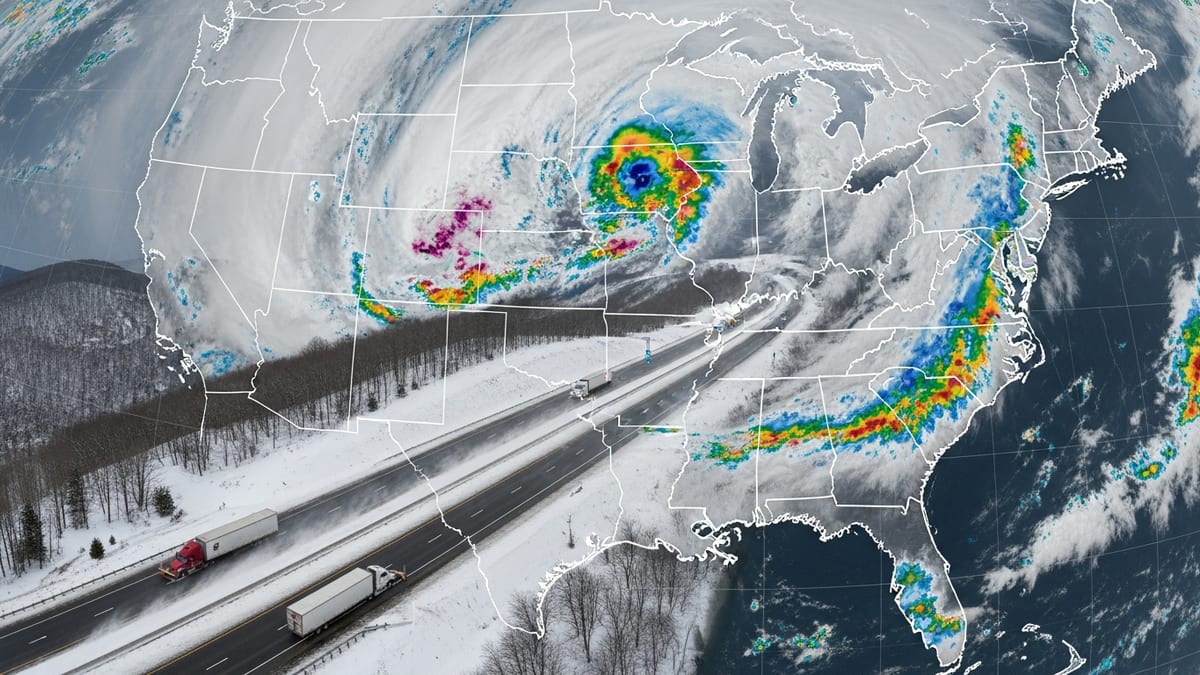
Wind Gusts Up to 30 m/s Affect Key Northern Routes
Publicly available travel advisories for Iceland report that strong winds are affecting a broad swath of the northwest, including the northern Snæfellsnes peninsula, parts of the Westfjords and the Tröllaskagi peninsula. Forecast details for November 2 and 3 indicate gusts reaching around 30 meters per second in some locations, creating challenging conditions for anyone driving higher-profile vehicles that are more vulnerable to crosswinds.
Information compiled on Safetravel’s national travel-conditions page notes that these winds are expected from the evening of November 2 through the whole of November 3, coinciding with early winter darkness and dropping temperatures. The affected area covers important touring corridors that connect small coastal communities with Route 1, Iceland’s Ring Road, which remains open but can become hazardous where it crosses open plateaus or narrow bridges.
Additional mapping services that aggregate data from the Icelandic Road and Coastal Administration show icy or unknown road conditions on some inland and highland routes, particularly where there is limited or no winter maintenance. In combination with strong gusts, this mix of wind and surface conditions is contributing to scattered “difficult” or “no winter service” labels in parts of the northwest, underscoring the need for flexible travel plans.
Guide-style resources monitoring November conditions across Iceland emphasize that winds are often the primary risk factor for drivers at this time of year, more so than snow alone. Rental companies and local guidance documents point out that wind damage to car doors and loss of control in crosswinds are among the most frequent cold-season incidents, especially along exposed stretches of coastline and on elevated passes.
Color-Coded Weather Warnings Elevate Risk Level
The Icelandic Meteorological Office uses a color-coded system to signal the severity of weather hazards, ranging from yellow for potentially disruptive conditions to orange and red for more severe events. Background material published on the office’s impact matrix explains that yellow alerts can still indicate significant travel disruption, particularly for those unfamiliar with local roads, while orange alerts denote conditions that require a high level of caution.
Recent discussions of autumn storms in Icelandic travel forums and guidance sites highlight how quickly conditions can escalate in the northwest. Reports from earlier October storms describe orange-level warnings in the Westfjords and northwest Iceland bringing sustained winds above 18 meters per second, blizzard conditions on higher ground and periods labeled as “no travel” on some secondary roads. While the current event in early November is being framed primarily around strong gusts rather than heavy snow, the same structural vulnerabilities apply, especially on narrow, winding fjord roads.
Road authorities describe how new forecasting tools link the meteorological warning colors to route maps, producing an at-a-glance display of where driving is likely to be challenging or unsafe. These systems use green, yellow, orange and red segments to show changing conditions along specific corridors, allowing travelers to see if a planned drive from, for example, the northern Ring Road into a Westfjords peninsula crosses into more severe zones.
Public safety guidance from national portals such as Ísland.is stresses that travelers are expected to assess these warnings carefully before setting out, particularly when driving vehicles that take on more wind, such as campervans or taller SUVs. The guidance notes that what might look like a moderate breeze on a forecast chart can translate into door-wrenching gusts in fjord mouths, mountain passes and open moorland.
Impacts on Drivers, Tours and Regional Travel Plans
Travel information sites tracking live conditions report that, as the early November winds build, the most immediate impacts are likely to fall on road traffic in northwest Iceland. The combination of gusty crosswinds, patches of ice and periods of low visibility can slow or disrupt journeys between towns in the Westfjords and the north coast, as well as affect connections back to the Ring Road.
Publicly available U.S. and Icelandic travel advisories already warn that rural roads in Iceland can be hazardous from October through March, noting that many inland and highland routes are unpaved, narrow and lack shoulders. These advisories highlight that single-lane bridges and sharp transitions between paved and gravel surfaces can become particularly difficult to navigate when winds are strong and surfaces are slippery.
Tour and excursion operators that serve the north and Westfjords typically base their decisions on a combination of real-time road data, weather alerts and daylight hours. With daylight in November limited to roughly seven hours in much of Iceland, even short disruptions can force itinerary changes. While current public summaries do not list widespread closures in the northwest, they do point to a pattern of rapidly changing conditions, meaning that departures may be delayed, rerouted or consolidated at short notice.
For independent drivers, guidance from safety campaigns and rental company materials emphasizes slowing down well below posted speed limits during wind events, parking vehicles nose-to-wind wherever possible, and opening car doors with extreme care on the windward side. Travelers are also advised to keep fuel levels higher than usual, as detours or waiting out conditions in remote areas can take longer than planned.
What Travelers Should Do If Heading to Northwest Iceland
Travel safety platforms and government information portals provide a consistent set of recommendations for visitors facing wind events such as the one underway in northwest Iceland. The first is to check both weather forecasts and road-condition maps multiple times per day, since conditions can shift quickly and color-coded warnings may be upgraded or extended with relatively little notice.
Officially sourced road-condition maps consolidate assessments from the Icelandic Road and Coastal Administration, including closure notices, webcam feeds and on-the-ground reports. Travelers are encouraged to use these alongside forecast sites that visualize wind speed and gusts, focusing closely on exposed passes, bridges and coastal stretches in the Westfjords, northern Snæfellsnes and the Tröllaskagi peninsula.
Government-backed safety advice also encourages visitors to reconsider travel in high-profile vehicles during periods of strong gusts. If travel cannot be postponed, recommendations include shortening driving legs, planning routes that avoid the most exposed mountain roads where possible, and booking accommodation in larger towns that offer more services in the event of delays.
In addition, travelers are urged to ensure that rental cars are equipped with appropriate winter tires, carry warm clothing, food and water in the vehicle, and keep friends or family informed of their planned route and arrival times. Public information pages note that tourists travel at their own risk in Iceland and that those venturing into rural areas in winter should be prepared for sudden, weather-related changes to their plans.
Looking Ahead as Winter Weather Patterns Set In
The strong gusts now affecting northwest Iceland are part of the broader shift into the country’s winter storm season, which typically runs from October to March. Tourism boards and destination-marketing sites describe November as a rewarding but demanding month for travel, combining opportunities for northern lights viewing and early winter scenery with frequent low-pressure systems that sweep across the North Atlantic.
Recent seasonal guides produced for November visits to Iceland stress that wind, rather than snow accumulation alone, is often the defining factor for safe driving. As the current event in the northwest demonstrates, wind speeds near 30 meters per second can create hazardous crosswinds even when road surfaces are only lightly icy or wet, particularly for taller vehicles and on open stretches of road.
Transport agencies and meteorological services continue to refine their warning systems and public communication, including the integration of color-coded alerts into route-planning tools and travel-condition dashboards. These tools are intended to help both residents and visitors adapt in real time, shifting planned routes or pausing journeys when conditions cross into higher-risk categories.
For travelers with upcoming itineraries that include the Westfjords, northern Snæfellsnes or the Tröllaskagi peninsula, the early November wind warning is a reminder to keep plans flexible, build in extra time between destinations and monitor official road and weather channels closely. While the country’s main arteries such as the Ring Road are generally maintained throughout the winter, the experience of driving in northwest Iceland during strong wind events can differ sharply from calm-sounding forecasts, making preparation and up-to-date information essential.