


"All-inclusive" might be one of the most overused phrases in cruising. On some ships it genuinely means you can lock your wallet in the cabin safe for the week. On others it means your cabin, basic meals and maybe coffee are covered, while drinks, Wi-Fi and shore excursions quietly pile onto your bill. Understanding the spectrum from ultra-luxury all-inclusive lines to smart, budget-friendly bundles can help you pick a cruise that actually matches the way you travel and spend.
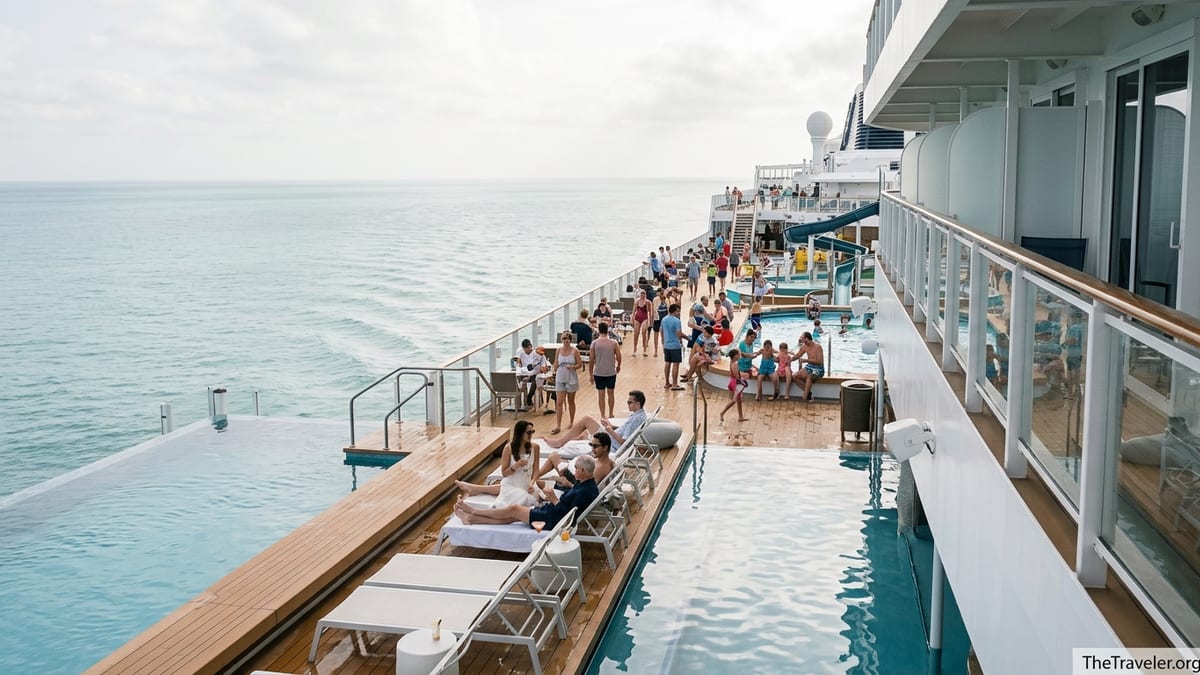
How All-Inclusive Is Your Cruise Really?
In cruise marketing, "all-inclusive" can mean anything from nearly everything included to just a couple of perks folded into the fare. Ultra-luxury lines such as Regent Seven Seas, Silversea and Seabourn aim for a near-seamless experience where guests rarely sign a receipt. Their fares typically cover drinks, gratuities, Wi-Fi and at least some excursions, and the ships themselves are small, all-suite and service heavy. At the other end of the spectrum, big-ship brands like Royal Caribbean, Carnival and MSC may advertise all-inclusive offers, but those promotions usually refer to a bundled drink package or Wi-Fi rather than a fundamentally inclusive product.
For most travelers, the key question is not whether a cruise is marketed as all-inclusive but which spending categories matter most: alcoholic drinks, specialty dining, shore excursions, Wi-Fi or tips. A traveler who is happy with tap water, ship coffee and one basic excursion per port will see little advantage in a luxury line that bakes unlimited Champagne and private tours into the fare. By contrast, a couple that usually buys a premium drink package, daily specialty coffees, unlimited Wi-Fi and multiple tours on a mainstream line may find that an ultra-luxury fare is surprisingly competitive when you add up what they actually spend.
Price points mirror those differences. A seven-night Caribbean sailing on a mainstream line in an inside cabin can sometimes start under 1,000 US dollars for two people before taxes and port fees, whereas a similar-length Regent Seven Seas voyage in a veranda suite can often price from around 6,000 to 8,000 dollars per person including business-class flights on certain itineraries. The sticker shock on luxury fares is real, but so is the long list of inclusions. Evaluating value means looking beyond the headline price and into the details of what you would have bought anyway.
Another nuance is that some lines are effectively semi-inclusive: Viking’s ocean ships, for example, include wine and beer with lunch and dinner, Wi-Fi and at least one excursion in nearly every port, but charge extra for cocktails outside mealtimes and for most premium tours. Premium brands such as Celebrity and Princess sit somewhere in the middle, with optional "everything in one" bundles. To make a smart choice, it helps to think of cruise lines along a scale rather than a simple yes-or-no to all-inclusive.
Ultra-Luxury: The Closest Thing to Truly All-Inclusive
At the top of the spectrum are ultra-luxury lines that build almost every core element of the trip into the fare. Regent Seven Seas often markets itself as the most inclusive experience at sea, and the list of included items shows why: spacious all-suite, mostly balcony cabins, unlimited shore excursions in most ports, unlimited premium drinks including Champagne and fine spirits, prepaid gratuities, specialty restaurants, unlimited Wi-Fi and, on many itineraries, round-trip airfare from major gateways. On select longer voyages and upper suite categories, Regent also layers in business-class air and a pre-cruise hotel night, making embarkation feel more like the continuation of a trip than the start of it.
Silversea and Seabourn deliver a similarly enveloping style. Both small-ship brands are known for high staff-to-guest ratios and a low-key country club atmosphere. Silversea includes wine and spirits, gratuities, most dining and Wi-Fi. On many expedition sailings to regions such as Antarctica or the Galapagos, virtually all excursions, Zodiacs and guided hikes are part of the fare. Seabourn’s fares include fine dining, cocktails and gratuities, along with thoughtful extras such as caviar service and a focus on destination-driven evenings. For a guest used to signing chits for every drink on a big ship, the absence of constant transactions is one of the most noticeable upgrades.
These ultra-luxury cruises are not inexpensive. A 10-night Mediterranean itinerary on a newer ship like Seven Seas Explorer or Silver Dawn can easily range from around 7,000 to 10,000 dollars per person in a veranda suite, and higher for larger suites or peak-season sailings. But when you factor in that a comparable itinerary on a premium line might require purchasing airfare, a top-tier drink package at roughly 80 to 100 dollars per person per day, Wi-Fi, daily gratuities, several ship tours and specialty dining, the gap in total vacation cost narrows significantly for guests who would have bought those extras anyway.
Another differentiator at this level is cabin design and space. Ultra-luxury ships tend to offer walk-in closets, marble bathrooms with separate tubs and showers, and expansive balconies as standard. Butler service, in-suite dining served course by course and the option to have your minibar customized to your preferences strengthen the sense that everything is taken care of in advance. For travelers who value privacy, personal service and the ability to opt out of crowds, these ships can feel closer to a boutique hotel than a floating resort.
Premium All-Inclusive and Semi-Inclusive Cruise Experiences
Just below the ultra-luxury tier sits a group of premium and upper-premium lines that offer many inclusive features without covering absolutely everything. Viking’s ocean fleet, for instance, markets a "no nickel-and-diming" approach: all cabins have verandas, Wi-Fi is complimentary, beer and wine are poured at no extra charge with lunch and dinner, and at least one excursion is included in almost every port. Specialty restaurants such as Manfredi’s or The Chef’s Table are included without surcharge, and there are no late-night clubs or casinos, so onboard spending tends to focus on optional premium excursions, spa treatments and drinks outside mealtimes.
Celebrity Cruises, positioned between mass-market and luxury, has leaned into bundled pricing with its "All Included" type offers, which typically combine a classic drink package and basic Wi-Fi in the fare on eligible sailings. While gratuities are no longer automatically wrapped into that bundle, having drinks and internet covered can still shave hundreds of dollars off a bar and Wi-Fi bill for a couple on a seven-night voyage. Many Celebrity ships, including the Edge Class, also have suite complexes such as The Retreat, where guests booked in those top accommodations enjoy access to a private restaurant and sundeck along with some inclusive perks that bring the experience closer to a small luxury ship.
Princess Cruises has gone a step further by selling their cruises under different fare bundles such as Princess Plus and Princess Premier. These packages take the base cruise fare and layer on a drink package up to a set per-drink limit, Wi-Fi, crew appreciation (gratuities) and in higher tiers even photo packages and some specialty dining. For example, a traveler might pay roughly 50 to 80 dollars per person per day on top of the base fare for Princess Plus or Premier, but in return they avoid separate daily charges for tips, most drinks and connectivity. For many guests who order several alcoholic beverages a day and want to stay online, the math can work out in their favor.
Premium expedition-focused brands also bring a semi-inclusive model to far-flung itineraries. Scenic’s ocean ships and some luxury expedition vessels routinely include excursions, drinks, Wi-Fi and even gratuities, recognizing that expedition guests expect most logistics and experiences to be arranged in advance. While the fare remains high compared with a big-ship cruise, the relative predictability of the final bill appeals to travelers planning once-in-a-lifetime trips to regions like the Arctic or remote Pacific islands.
Mainstream Mega-Ships with All-Inclusive Style Bundles
The big mainstream players offer the broadest range of prices and shipboard atmospheres, from party-forward to family-focused. Here, "all-inclusive" usually refers to bundles and packages rather than a fundamentally inclusive product. Norwegian Cruise Line’s widely advertised Free at Sea promotion, for instance, lets guests choose or receive perks like an open bar package, specialty dining credits, Wi-Fi minutes and shore excursion credits, depending on cabin type and sail length. In some cases, upgraded versions of the bundle even roll in daily service charges, effectively pre-paying gratuities as part of the promotion.
MSC Cruises markets all-inclusive options that pair their base cruise fare with a drinks package and sometimes Wi-Fi, especially in European markets. A week-long Mediterranean cruise in a balcony cabin with a basic drinks package might price from around 1,800 to 2,500 dollars for two people in shoulder season, a fraction of what a true luxury line charges but also with fewer inclusions in terms of excursions or specialty dining. MSC’s Yacht Club, a ship-within-a-ship enclave, adds a more inclusive twist by folding in premium drinks in Yacht Club venues, a dedicated restaurant, priority services and butler-style care, while still sailing on a large resort-style vessel.
Other mainstream brands emphasize customizable add-ons rather than one-size-fits-all bundles. Royal Caribbean and Carnival typically sell multiple drink packages, Wi-Fi plans and dining upgrades separately. A "deluxe" beverage package on a large Caribbean ship can approach or exceed 80 dollars per person per day before automatic gratuities, which themselves add close to 20 percent. For a couple that enjoys cocktails, specialty coffees and wine, this can quickly reach more than 1,000 dollars in drink costs alone on a seven-night sailing if purchased à la carte.
These lines are budget-friendly in the sense that the upfront fare for a basic cabin is usually the lowest in the industry, especially on older ships or off-peak sailings. A family might find a four-night Bahamas cruise in an interior stateroom for under 500 dollars per person in the late summer. But because relatively little besides accommodation, main dining room meals, buffet food, most entertainment and basic tea or coffee is actually included, total vacation outlay can rise substantially once drinks, specialty restaurants, kids’ treats, arcade time and shore activities are factored in. Travelers who are disciplined about extras can keep costs relatively low, while those who enjoy spontaneous spending may find the final statement surprisingly high.
Budget-Friendly and Niche Options That Feel More Inclusive
Not all value-oriented cruises sit on 5,000-passenger mega-ships. Some regional and river operators have carved out a niche by offering smaller vessels with a more inclusive feel at moderate prices. Many European river cruise lines, for example, routinely include wine and beer with lunch and dinner, daily excursions in each port and Wi-Fi in their fares. While river cruising is not always cheaper on a nightly basis than an ocean voyage, the fact that core sightseeing is built in means guests can step off the ship every day without constantly weighing the cost of each tour.
On coastal routes closer to home, some lines and itineraries bundle in elements that would be charged separately elsewhere. Alaska cruises sold with "cruise tours" may wrap motorcoach transfers, rail segments and hotel nights into a single price, creating an almost land-tour style package. In the Caribbean, it is common to see chartered sailings tied to specific events or interest groups that include open-bar private parties, onboard activities and sometimes group shore excursions in the overall fare, even though the underlying ship is a standard mainstream vessel.
Travelers who want a budget-friendly cruise that still feels fairly all-inclusive can focus on choosing itineraries where they are comfortable exploring independently in port and can avoid frequent paid add-ons. Picking a ship with strong complimentary dining options, good included entertainment and a relaxed attitude toward room-service fees helps too. Simple habits such as drinking the included water, iced tea and regular coffee instead of ordering soda or specialty coffee, or enjoying the main dining room rather than multiple speciality venues, have a bigger impact on total cost than the specific brand logo on the funnel.
Another often-overlooked segment is repositioning and off-season cruises. Lines routinely discount shoulder-season sailings across the Atlantic or between regions where onboard spending may be lower due to fewer port days. By pairing one of these value fares with a mid-level drink or Wi-Fi package, some travelers effectively create their own budget-friendly all-inclusive experience. While the cruise may not include shore excursions or gratuities, the total package cost can compare favorably to both land-based resorts and higher-tier ships when evaluated on a per-night basis.
What “All-Inclusive” Typically Covers: Line by Line
Regardless of price point, most ocean cruises include similar basics: your cabin, transportation between ports, main dining room and buffet meals, snacks in casual venues, theater-style shows and access to pools and fitness centers. Where lines diverge is in the extras. On an ultra-luxury ship, a glass of Champagne before dinner, a cappuccino after dessert, 24-hour room service, self-service laundry or regular laundry allowances, shore excursions and Wi-Fi may all be bundled into the fare. On a mainstream vessel, each of those can represent a separate line item.
Taking Regent Seven Seas as an example, a guest on a Mediterranean voyage might choose a complimentary half-day tour in nearly every port, ranging from guided city walks to wine tastings. On a premium or mainstream line, similar excursions typically run anywhere from 60 to 200 dollars per person each. Over a week with five or six port stops, that difference alone can represent over 500 to 1,000 dollars in saved excursion costs compared with booking ship tours à la carte elsewhere. Add in open-bar drinks, where a single cocktail on a large resort ship often runs 12 to 15 dollars plus gratuity, and the economics of inclusive luxury become more apparent for guests who value those inclusions.
Viking’s approach illustrates the semi-inclusive middle ground. Guests know that they will have at least one included excursion in each port, such as a guided walking tour or panoramic city coach ride, along with beer and wine with lunch and dinner. Travelers who prefer more immersive or adventurous experiences, such as cooking classes, bike tours or evening concerts ashore, can purchase premium excursions separately. This structure keeps the base fare more accessible than full ultra-luxury while still allowing guests to enjoy a mostly planned and paid-for experience.
By contrast, a mainstream line such as Carnival or Royal Caribbean typically includes fewer extras in the fare. Standard coffee, tea, tap water, lemonade and a range of included meals are available, but specialty coffee drinks, bottled water, sodas, alcoholic beverages and most specialty dining carry surcharges. Shore excursions, Wi-Fi and gratuities are separate. For many families, this model is acceptable because it keeps entry-level pricing low and lets them selectively splurge. But for travelers seeking simplicity and predictability, it can feel like every activity involves a decision about whether an extra charge is worth it.
How to Compare Value: Real-World Cost Scenarios
To understand the real cost difference between cruise tiers, it helps to compare sample scenarios. Imagine a couple considering a seven-night Mediterranean cruise. On a mainstream line, they find a balcony cabin for 1,800 dollars for two people before taxes. Once on board, they purchase a drink package at about 80 dollars per person per day plus gratuity, a basic Wi-Fi plan, prepay daily gratuities, dine in specialty restaurants twice during the week, and book four ship excursions at roughly 100 to 150 dollars per person each. By the time they disembark, their final bill could realistically add 2,000 dollars or more to the original fare, pushing the total toward 4,000 to 4,500 dollars excluding airfare.
Now consider a similar itinerary on a premium or ultra-luxury line. That same couple might see a veranda suite priced at 7,000 dollars per person, which looks much higher at first glance. Yet the fare already includes unlimited drinks, gratuities, Wi-Fi, multiple specialty restaurants, and a classic excursion option in almost every port. On itineraries where flights are bundled, economy or even business-class airfare may be part of the rate. When the couple steps off the ship, their incremental onboard spending could be limited to spa treatments or a few extra-cost tours, leaving the final tally not radically higher than the sum of mainstream fare plus add-ons, particularly during peak-season or on itineraries with many port days.
The right answer is very personal. A traveler who seldom drinks alcohol, is happy reading offline, rarely takes ship excursions and is content with included dining can stretch their vacation budget farthest on mainstream lines or entry-level premium cruises. Someone who orders Aperol spritzes by the pool, uploads photos daily over Wi-Fi, likes to sample specialty restaurants and prefers the convenience of ship-run tours may find that paying a higher base fare for an inclusive experience better reflects how they actually vacation. Understanding your own habits is more important than chasing a marketing label.
Exchange rates and regional pricing also play roles. Europeans booking Mediterranean sailings with MSC or Costa sometimes access inclusive bundles through local travel agencies that differ from offers seen in North America, while North American travelers might find particular value in bundled Alaska or Caribbean promotions that include drinks and Wi-Fi. When comparing value, it is worth contacting a trusted travel advisor or carefully reading the fare description to see what a "drinks included" or "all-in" promotion actually means in your market and on your specific sailing date.
The Takeaway
Across the modern cruise industry, true all-inclusive experiences remain largely the domain of ultra-luxury lines where fares cover almost every indulgence, from Champagne and caviar to guided tours ashore. Just below that tier are premium and semi-inclusive brands that include many big-ticket items like Wi-Fi, wine with meals and core excursions, while still charging for select upgrades. Mainstream mega-ships, meanwhile, excel at offering low entry prices and optional bundles so travelers can add what they want, but they require more attention to onboard spending to avoid surprises.
Ranking all-inclusive cruise ships from luxury to budget-friendly is less about labeling one "best" and more about aligning the level of inclusion with how you actually travel. If you crave a once-in-a-lifetime, hands-off experience where nearly everything is handled and paid before you leave home, ultra-luxury lines such as Regent, Silversea and Seabourn deliver. If you prefer modern ships, familiar brands and the flexibility to control your bar tab and activity spend, premium and mainstream lines with smart bundles can be the better fit.
The most practical strategy is to start with your own habits. List what you typically buy on vacation, from cocktails to excursions, and price those elements separately for the ships you are considering. Then compare that total against the fare for a more inclusive line or package. The result will often show that the best value is not the cheapest fare on paper, but the cruise that comes closest to including what you would have bought anyway, at a price that still feels comfortable.
FAQ
Q1. What cruise lines are considered truly all-inclusive?
Lines such as Regent Seven Seas, Silversea and Seabourn are widely regarded as the closest to truly all-inclusive, with fares that include drinks, gratuities, Wi-Fi, fine dining and at least some excursions on most sailings.
Q2. Are shore excursions usually included in all-inclusive cruises?
On ultra-luxury lines, a selection of shore excursions is often included in almost every port, especially classic city tours and panoramic trips. Premium and mainstream lines typically charge separately for most excursions, though some offer limited included options or credits in specific promotions.
Q3. Do all-inclusive cruise fares include flights?
Some luxury lines bundle airfare, and on certain itineraries even business-class flights, into the cruise fare from selected gateway cities. Premium and mainstream lines more commonly sell airfare as an add-on, so always check whether flights are actually included for your chosen sailing.
Q4. Are drinks really unlimited on all-inclusive ships?
On most luxury all-inclusive ships, standard alcoholic beverages, cocktails, wine, beer and soft drinks are available without per-drink charges, though very rare wines or top-shelf spirits may cost extra. On mainstream lines, "all-inclusive" often refers to a paid drink package that has price limits per drink and some exclusions.
Q5. Do I still need to tip on an all-inclusive cruise?
Many luxury lines include gratuities for onboard staff in the fare, so you are not expected to tip extra unless service far exceeds expectations. On mainstream ships, automatic daily service charges are common, and even with bundles you should confirm whether crew appreciation has been prepaid or will appear as a separate line on your account.
Q6. Is Wi-Fi included on all-inclusive cruises?
Wi-Fi is usually included on ultra-luxury and many premium lines, though bandwidth or the number of devices may be limited by package. On mainstream lines, Wi-Fi is almost always a separate charge unless you purchase a bundled fare that specifically lists internet access as a benefit.
Q7. Are specialty restaurants part of the fare on all-inclusive ships?
On luxury and some premium lines, most or all specialty dining venues are included in the fare with no cover charge. On larger resort ships, specialty restaurants often cost extra even if you have an all-inclusive style package, though dining credits may be provided in certain promotions or suite categories.
Q8. How can I tell if a budget-friendly cruise is good value?
To judge value on a cheaper cruise, estimate what you will realistically spend on drinks, Wi-Fi, excursions, tips and specialty dining. Add that to the base fare and compare the total against more inclusive options. If that combined cost stays comfortably below a premium or luxury fare for a similar itinerary, the budget option is likely good value for your travel style.
Q9. Are river cruises more all-inclusive than ocean cruises?
Many European river cruise lines include daily excursions, Wi-Fi and wine or beer with meals, which can feel more inclusive than mainstream ocean ships. However, river cruise fares are often higher per night, so it is important to compare what is included rather than assuming they are cheaper overall.
Q10. What should I check in the fine print before booking an all-inclusive cruise?
Before booking, confirm whether gratuities, Wi-Fi, alcoholic drinks, specialty coffees, specialty restaurants, shore excursions and flights are included or extra. Also check any drink price limits, device limits for internet and whether included excursions are the type you would actually choose to take.