


More news on this day
Air travelers across New Zealand and Australia are facing fresh disruption as publicly available flight tracking data indicates 162 delays and five cancellations affecting services operated by Qantas, Delta Air Lines, Sounds Air and several smaller carriers across Wellington, Picton, Melbourne, Sydney and Adelaide.
Get the latest news straight to your inbox!
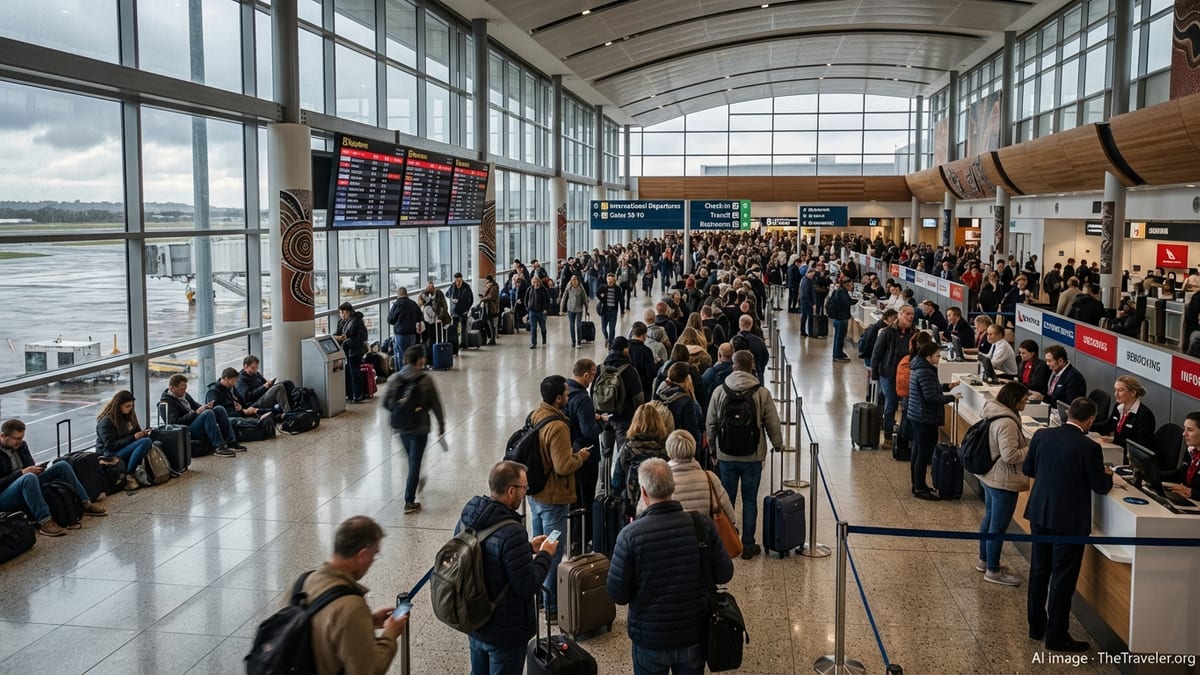
Delays Mount Across Key Trans-Tasman and Domestic Routes
Aggregated flight tracking data for mid May suggests a concentrated bout of disruption on some of the busiest corridors linking Australia and New Zealand. Services through Wellington, Picton, Melbourne, Sydney and Adelaide show elevated levels of late departures and arrivals, with regional turboprop flights and major trunk routes both affected.
Operations by Qantas and its regional arm on the Sydney to Melbourne and Sydney to Adelaide links have recorded a noticeable increase in late running, compounding earlier reports that these routes have been vulnerable to rolling schedule pressures in recent weeks. Delta Air Lines services into and out of Sydney, including long haul connections to North America, have also been caught up in knock on delays where inbound aircraft arrived behind schedule.
In New Zealand, regional carrier Sounds Air, which connects smaller communities such as Picton with Wellington, has seen multiple services arrive well behind timetable. At least one Wellington to Picton rotation has been cancelled outright, further tightening capacity on a route that typically operates with small aircraft and limited spare seats.
The pattern reinforces indications from recent operational data that the aviation network across the Tasman Sea and within each country remains vulnerable to clusters of disruption, even outside traditional holiday peaks.
Weather, Runway Works and Staffing Combine to Disrupt Schedules
Recent coverage of Australian aviation operations points to a mix of contributing factors behind the latest disruption, including unsettled autumn weather, continuing runway works and ongoing staffing pressures in key hubs. Reports in early April described how a combination of strong winds, thunderstorms and capacity restrictions linked to maintenance projects at Sydney and Melbourne triggered hundreds of delays and dozens of cancellations in a single day, creating a backlog that took time to clear.
Those structural constraints have not fully eased, and they continue to reduce the margin for error when new weather fronts or technical problems arise. When an early morning departure from Sydney or Melbourne leaves late, it can quickly cascade into missed departure slots later in the day for flights to Adelaide or onward international services. As a result, even passengers traveling on routes not directly affected by storms can find their journeys disrupted as aircraft and crews fail to reach subsequent sectors on time.
In New Zealand, windy and wet conditions around Wellington are a familiar challenge for airlines, with previous storm events having forced mass cancellations into and out of the capital. While the latest interference appears less severe than the most dramatic weather episodes of recent years, publicly visible tracking still shows a cluster of delayed arrivals and departures, particularly on shorter regional hops where flight times are compressed and buffers are limited.
Smaller regional carriers such as Sounds Air are especially exposed when poor weather or temporary airfield restrictions emerge, because they have few spare aircraft to substitute and operate on thinly scheduled routes where a single cancellation can remove a significant share of daily capacity.
Knock On Effects for Long Haul Carriers Including Delta
Long haul services that rely on smooth domestic and regional feed have also been feeling the strain. Delta Air Lines flights linking Sydney with North America have experienced schedule adjustments in recent days, reflected in minor but persistent changes to expected gate arrival and departure times. When domestic or trans Tasman connections into Sydney are delayed, passengers can arrive late for long haul departures, and baggage and catering operations may also run behind.
Qantas international departures from Sydney and Melbourne, along with partner-operated codeshare flights to Europe, Asia and North America, appear to be encountering similar challenges. Travel advisories and timetable updates circulated in May highlight weather related restrictions and air traffic control congestion as recurring themes, with some services being retimed or consolidated on select days.
These network wide ripples are a reminder that even a modest number of cancellations or late running domestic flights can have outsized impacts on long haul schedules, particularly where airlines are operating near capacity with limited spare aircraft. For travelers, this can translate into missed onward connections, longer layovers, or enforced overnight stays when minimum connection times are breached.
Industry commentary suggests that carriers are attempting to preserve long haul reliability by selectively trimming some domestic frequencies and building additional slack into turnarounds. However, such measures can leave fewer options for rebooking when irregular operations occur, intensifying the inconvenience for those whose flights are disrupted.
Impact on Travelers in Wellington, Picton, Melbourne, Sydney and Adelaide
The cluster of 162 delays and five cancellations has had a tangible impact on travelers using key regional gateways. In Wellington, late running arrivals and departures have meant extended waits in terminals and compressed connection windows for those linking to longer domestic or international sectors via Auckland and other hubs.
For communities around Picton, where Sounds Air provides an essential air link across Cook Strait, cancellations or heavily delayed turboprop services can significantly disrupt business trips, medical appointments and onward ferry or rail connections. With limited alternative flights and long surface travel times, passengers on these routes often have fewer backup options when plans go awry.
In Australia, Melbourne, Sydney and Adelaide have all recorded elevated numbers of delayed services during the latest disruption window. Travelers on the busy Sydney to Melbourne corridor are dealing with late evening arrivals and missed same day connections, while those flying between Sydney and Adelaide face a slimmer schedule in which each cancellation removes a larger share of available seats.
Publicly accessible data and passenger accounts highlight a familiar set of knock on effects, including longer queues at customer service desks, pressure on airport lounges and accommodation near airports being booked at short notice by travelers whose trips cannot be completed the same day.
What Passengers Can Do as Disruptions Continue
With the regional aviation network still operating under strain, travel experts and consumer advocates continue to advise passengers to build extra resilience into their itineraries. Common recommendations include allowing longer connection times between domestic and international flights, avoiding last departures of the day where alternatives are limited, and checking flight status regularly using airline apps and airport information displays.
Airlines such as Qantas and Delta Air Lines publish operational updates and same day flexibility policies that may allow affected passengers to move to earlier or later flights without additional fees when disruption is expected. Regional carriers including Sounds Air typically provide rebooking options on the next available service when flights are cancelled, although seat availability can be constrained on thinner routes.
Travel insurers and industry analysts also note that passengers should review policy terms regarding delay and cancellation coverage, particularly for trips involving multiple tickets on separate airlines. Where protection is in place, documentation such as boarding passes, delay notifications and receipts for meals or accommodation can be important for reimbursement claims.
While the current spike of 162 delays and five cancellations may ease as weather patterns stabilize and runway works progress, operational data from recent months suggests that travelers in New Zealand and Australia may continue to face intermittent disruption. Careful itinerary planning, flexible booking choices and close attention to real time updates are likely to remain important tools for minimizing the impact of future travel interference.