


More news on this day
An American Airlines flight operating as AA16 from San Francisco to New York diverted to Philadelphia, prompting unscheduled aircraft checks and travel disruptions for scores of passengers but no reported injuries, according to publicly available flight data and media coverage.
Get the latest news straight to your inbox!
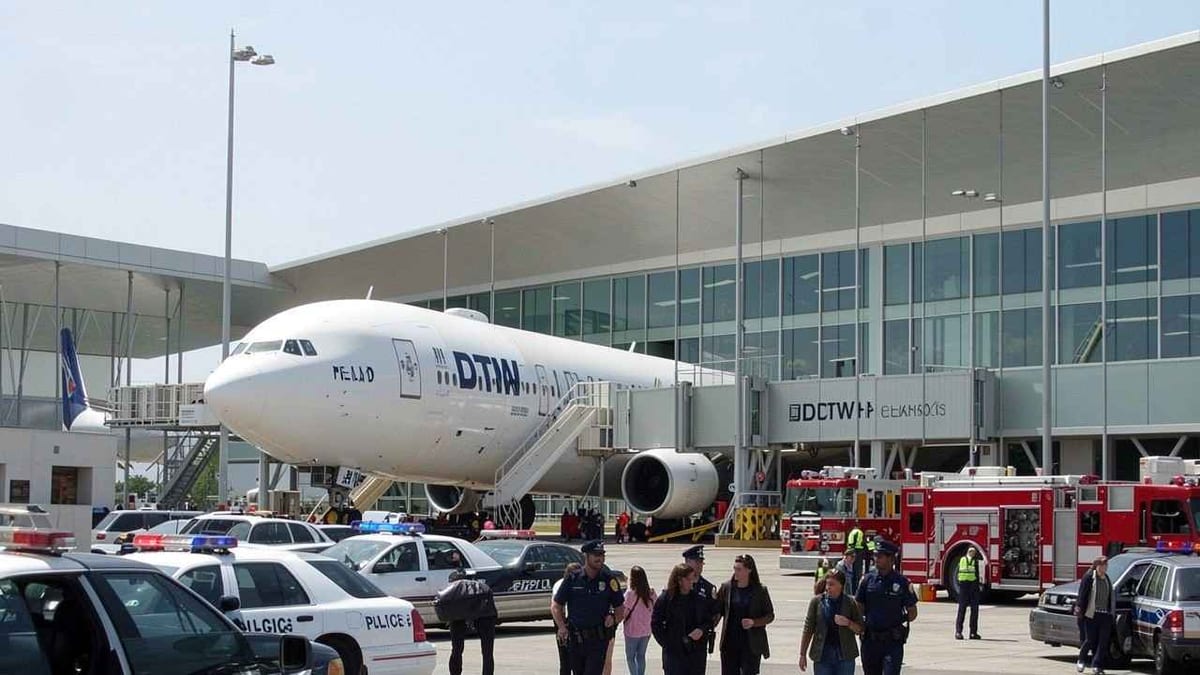
Coast to Coast Service Diverts Midjourney
Publicly available flight tracking information shows that American Airlines Flight AA16 is a regularly scheduled transcontinental service linking San Francisco International Airport with New York’s John F. Kennedy International Airport. On its most recent affected rotation, the wide body jet altered course en route and headed for Philadelphia International Airport instead of continuing to New York.
Reports indicate that the diversion occurred after the aircraft was already established on its cross country route, leading to an unplanned descent and landing at American’s major East Coast hub in Philadelphia. The change in destination extended travel times for customers and required the airline to reorganize onward connections to New York and beyond.
There have been no public indications of injuries among passengers or crew associated with the incident. Available information instead points to a precautionary diversion that allowed ground teams at Philadelphia to inspect the aircraft and determine whether it could continue in service or required additional maintenance.
While diversions of high profile long haul services tend to draw attention from travelers and aviation watchers, such events are handled within standard commercial aviation procedures that prioritize a safe and controlled landing at the most suitable airport.
Why Airlines Choose Philadelphia for Diversions
Philadelphia International Airport serves as one of American Airlines’ primary hubs on the East Coast, handling hundreds of daily departures to domestic and international destinations. Because of this role, the airport offers extensive maintenance facilities, spare aircraft and available flight crews, making it a logical option when an aircraft needs to divert away from its original destination.
In a diversion scenario, airline planners typically weigh runway length, weather, air traffic levels and the availability of technical support. Publicly available information on American’s customer service policies highlights that diversions are managed with the goal of landing at an airport where passengers can be re accommodated and the aircraft can be evaluated or repaired.
Philadelphia’s location on key north east air corridors also means that many transcontinental and international flights can safely reach the airport without excessive deviation from their original route. For customers on AA16, arriving in Philadelphia rather than New York kept them within the same general region, simplifying the task of rebooking onward travel by air or ground.
Aviation history at Philadelphia includes several notable diversions by various airlines, reflecting its status as a large, well equipped facility that is frequently used when aircraft encounter technical issues, medical situations or weather related challenges elsewhere in the network.
Managing Passengers and Operations After the Diversion
When a flight such as AA16 diverts, the airline must quickly reposition resources. Publicly available information on American’s service plans explains that the carrier aims to provide updated itineraries, offer alternative flights and, when possible, arrange new aircraft to complete disrupted journeys.
In the case of a San Francisco to New York service landing in Philadelphia, connecting flights to the New York area and other East Coast cities become central to the response. Passengers may be moved to shuttle style services bound for New York airports, or offered same day or next day departures depending on seat availability and crew duty time limitations.
Operationally, a diversion affects more than just the passengers on the involved flight. The aircraft’s scheduled return journeys, crew rosters and gate usage at multiple airports may need to be revised. Airlines commonly make day of schedule adjustments to mitigate knock on delays, sometimes swapping aircraft between routes or consolidating lightly booked flights to free capacity for disrupted travelers.
Travelers impacted by diversions are generally encouraged, through published guidance, to monitor their booking details via airline mobile apps or airport display boards. Same day updates can include new departure times, gate changes and baggage arrangements when an aircraft terminates at an unplanned airport.
Safety Context and Industry Practice
Across the airline industry, in flight diversions are a recognized safety measure rather than an indication of imminent danger. Public data and historical case summaries show that carriers divert flights for a variety of reasons, including technical warnings, unusual vibrations, fuel imbalances, smoke or odor reports and passenger medical emergencies.
In many cases, subsequent inspections confirm that an aircraft can return to normal service after checks and minor corrective work. In other instances, the jet may be withdrawn temporarily for more extensive maintenance while a replacement aircraft is assigned to continue the route. For high frequency corridors like the northeast United States, airlines often have additional aircraft on hand at major hubs such as Philadelphia to help restore the schedule.
Studies of airline operations and flight delay patterns note that large hub airports play a vital role during irregular operations. They allow carriers to concentrate spare capacity, engineering expertise and crew resources in a small number of locations, enabling faster recovery after a diversion compared with smaller regional airports.
For passengers, the main impact of a diversion tends to be extended travel time, missed connections and the possibility of overnight stays. While this can be frustrating, aviation safety reviews consistently emphasize that choosing a suitable diversion airport and landing promptly remain core elements of modern airline risk management.
What AA16’s Diversion Means for Future Travelers
The diversion of American Airlines Flight AA16 to Philadelphia adds to a growing pool of recent irregular operations involving major U.S. carriers, but it does not indicate a broader change in the safety record of commercial aviation. Industry data continues to show that scheduled air travel remains one of the safest forms of transportation.
For future travelers booked on AA16 or similar transcontinental services, the incident serves as a reminder to build some flexibility into tight connections and to keep digital contact details updated within airline profiles. This allows carriers to send automatic alerts when flights divert, are delayed or require rebooking.
Observers note that disruptions also highlight the value of hub airports like Philadelphia for managing complex route networks. When unforeseen events occur, the presence of maintenance bases, spare aircraft and connecting flights enables airlines to regroup and move passengers toward their destinations, even if original arrival times cannot be maintained.
While diversions attract attention whenever they involve a well known route or busy travel period, available information indicates that the AA16 event fits within established operational patterns in which safety and a controlled landing take precedence over schedule reliability.