


More news on this day
An American Airlines service operating as Flight AA32 diverted to Harrisburg International Airport, bringing an unscheduled stop to central Pennsylvania and triggering rebooking efforts for passengers on the route.
Get the latest news straight to your inbox!
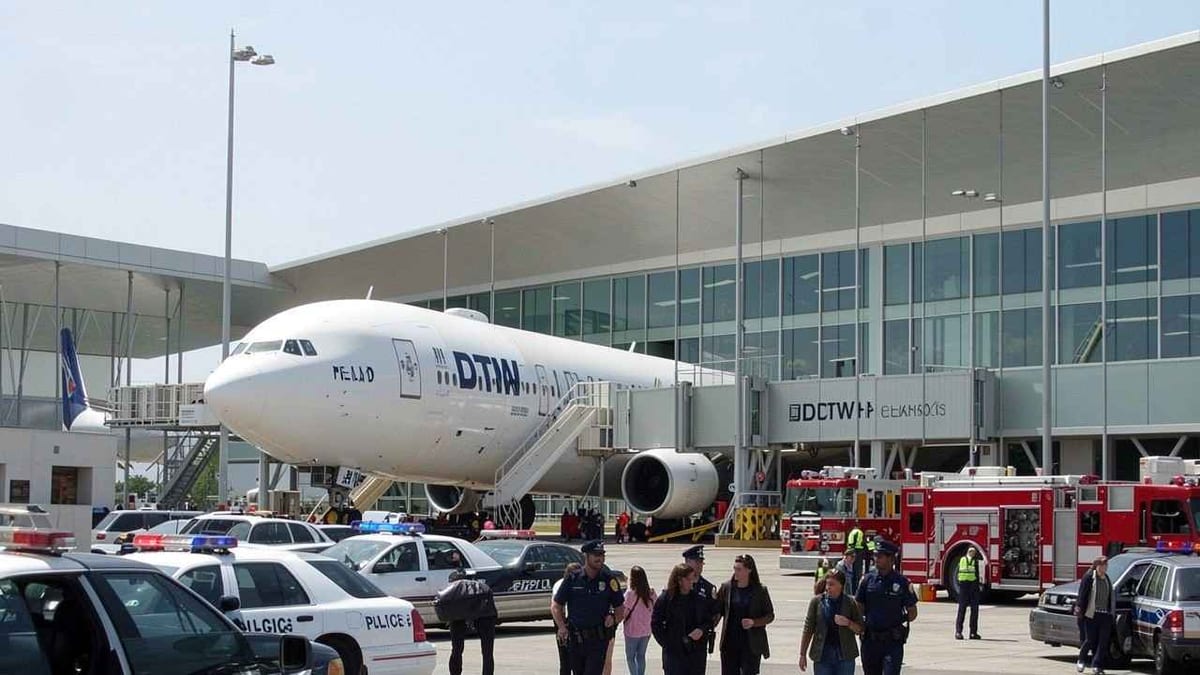
Unscheduled Diversion Brings AA32 to Harrisburg
Publicly available flight tracking data shows that a recent American Airlines service operating under the flight number AA32 made an unplanned diversion to Harrisburg International Airport, a regional facility that serves as a secondary option for a number of East Coast routes. The diversion temporarily shifted the aircraft off its planned routing and placed additional focus on Harrisburg’s role in handling irregular operations.
Flight history tools indicate that AA32 is typically scheduled as a mainline American Airlines service rather than a regional feeder, linking key U.S. markets on a long-haul domestic routing. The unscheduled arrival at Harrisburg therefore represented a notable change for both passengers and airport operations, given that such large mainline flights more commonly divert to larger hub airports.
While specific operational details have not been formally detailed in a single public summary, the pattern of the diversion is consistent with the way airlines respond to sudden weather, air traffic or technical constraints. In these cases, carriers often seek the nearest suitable airfield with available runway length, ground services and passenger facilities, criteria that Harrisburg International Airport is equipped to meet.
Available information from airline customer service policies outlines how diversions are treated within broader disruption management. In the case of AA32, passengers experienced an unplanned pause in their journey while the airline adjusted schedules, crew duty times and onward connections in line with established contingency practices.
Harrisburg International Airport’s Role in Diversion Scenarios
Harrisburg International Airport serves central Pennsylvania with a mix of services from American Airlines, Delta Air Lines, United Airlines and Allegiant. The facility is designed as a mid sized commercial airport with infrastructure that can accommodate narrowbody and selected widebody aircraft, making it a suitable alternate when traffic or weather conditions force flights away from larger hubs.
Airport planning documents available to the public highlight an established framework for handling diverted flights, including coordination with airlines on parking positions and passenger handling. The airport’s published diversion and tarmac delay plans describe limited aircraft parking space and the need for close coordination when multiple diversions occur in a short period, but they also show that Harrisburg maintains procedures for rapid response when an inbound flight requires an unscheduled stop.
The presence of American Airlines at Harrisburg under normal operating conditions, serving destinations such as Chicago and other hub cities, also helps streamline responses when a mainline flight like AA32 arrives unexpectedly. Existing ticket counters, gate agents and ground staff familiar with the carrier’s systems can be reassigned to assist passengers and coordinate with the airline’s control centers.
For travelers caught in a diversion, Harrisburg’s compact terminal layout and ground transport options can reduce the stress of an irregular operation. Rental car counters, regional bus links and nearby interstate highways provide alternatives for those who choose to complete their journey by land rather than await a later flight.
What the Diversion Means for Affected Passengers
For passengers on AA32, the diversion translated into an unplanned schedule change that could include missed connections and altered arrival times at final destinations. According to American Airlines’ publicly available customer service plan, diversions are treated within the same framework as delays and cancellations, with options that can include rebooking on later flights, rerouting through other hubs or, in some cases, partial fare adjustments when parts of an itinerary remain unused.
Travelers dealing with a diversion are typically advised by consumer advocates to monitor flight status through airline apps and flight tracking platforms, rather than relying solely on airport displays. In situations similar to AA32’s unscheduled arrival in Harrisburg, this approach can help passengers understand whether the aircraft is expected to continue to its original destination, reposition to a different hub or trigger alternative arrangements.
Industry case studies on diversion handling show that outcomes vary widely depending on crew duty limits, aircraft maintenance needs and air traffic restrictions. If crew members approach their maximum allowed duty time while a flight is held at a diversion airport, airlines may be required to keep the aircraft on the ground until a replacement crew can be flown in, further extending delays for passengers.
At the same time, Harrisburg’s status as a non hub airport can influence how quickly onward flights are organized. In some situations similar to the AA32 diversion, carriers opt to bus passengers to a nearby hub or arrange a short repositioning flight once operational constraints ease.
Operational Context and Industry Patterns
Data driven research into U.S. air travel indicates that diversions, while disruptive, represent a relatively small share of overall flight activity. Studies focused on American Airlines performance show that weather, air traffic management and aircraft routing complexity all contribute to the likelihood of a particular service diverting from its planned destination.
Academic work analyzing airline delay statistics notes that irregular operations tend to cluster during periods of severe weather or heavy traffic, when multiple flights may compete for limited diversion airports and available gate space. Harrisburg’s published procedures for managing excessive tarmac delays at times of high demand highlight how airports prepare for such surges, including the use of specific gates for international diversions and close coordination with ground handling partners.
For American Airlines and other large carriers, each diversion triggers a chain of schedule adjustments that can ripple through route networks. Aircraft may miss subsequent rotations, crews may be reassigned, and hub banks may need to be restructured to preserve as many connections as possible. Situations such as the AA32 diversion into Harrisburg illustrate how one unexpected event on a single route can influence operations across a broader system.
In the longer term, carriers and airports use data from incidents like the AA32 diversion to refine contingency planning and passenger communication. Improved mobile notifications, clearer airport signage and more robust coordination between airport and airline operations centers are among the measures that industry observers cite as key tools for limiting the impact of future diversions on travelers.
Travel Tips for Future Diversion Scenarios
For travelers, the AA32 diversion through Harrisburg offers a reminder of the value of preparation when flying through regions prone to congestion or shifting weather. Booking longer connection windows, especially when traveling on complex itineraries, can reduce the risk of misconnecting if a flight makes an unscheduled stop.
Consumer guidance suggests that passengers maintain updated contact information in airline profiles and opt in to text or app notifications for real time status updates. When a diversion similar to AA32’s arrival at Harrisburg occurs, these channels often provide earlier notice of changes than gate announcements alone.
Travelers are also encouraged to familiarize themselves with basic passenger rights related to lengthy tarmac delays and cancellations. Publicly available federal reports and airline service plans outline thresholds for on board delays, access to food and water, and options for deplaning when aircraft remain on the ground for extended periods at diversion airports.
Finally, passengers routed unexpectedly through airports like Harrisburg can benefit from knowing alternative ground transport options in advance. Keeping information on regional rail, intercity bus services and car rentals at hand can offer additional flexibility when a diversion disrupts the original plan, turning an unplanned stop into a manageable, if inconvenient, detour.