


More news on this day
American Airlines is cutting six international routes from its global network as part of a broader realignment that shifts aircraft and crews toward more profitable long haul markets and fast-growing seasonal transatlantic demand.
Get the latest news straight to your inbox!
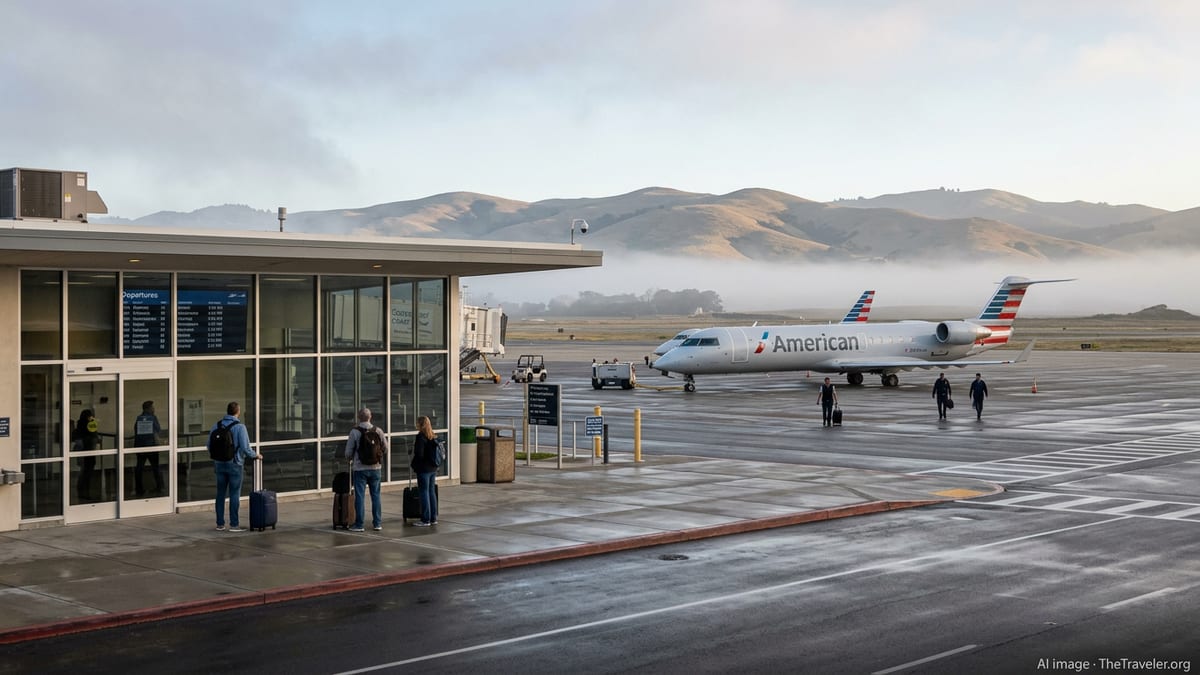
Six International Routes Exit the Network
According to published schedules and industry route tracking, American Airlines is preparing to remove six international routes that have either struggled with demand or no longer fit the carrier’s hub-focused strategy. The affected flights involve a mix of services from secondary U.S. gateways to overseas destinations, many of which had already seen seasonal reductions or frequency cuts before disappearing from future timetables.
Publicly available information shows that several of the discontinued links are relatively thin, point to point city pairs that depended heavily on connecting traffic to remain viable. When connecting demand softened or could be rerouted more efficiently over a larger hub, the economics of operating long haul widebodies or long range narrowbodies on these sectors became more difficult to justify.
In most cases, travelers will not lose access to the destinations themselves, but will instead see journeys restructured to include a connection through one of American’s core hubs or alliance partners. The airline continues to emphasize that network changes of this type are part of a regular review process in which individual routes are measured against fuel costs, aircraft availability and relative revenue performance.
While the six individual route cuts may appear modest within American’s thousands of daily flights, they reflect a broader recalibration in how the carrier approaches long haul flying outside its largest coastal and sunbelt gateways.
Fuel, Demand and Competition Drive Route Decisions
Industry analyses of American’s schedule adjustments indicate that cost pressures and competitive dynamics are central to the latest round of long haul reductions. Higher jet fuel prices have made long stage-length flights particularly sensitive to even small dips in revenue, leading airlines to scrutinize marginal international routes more closely than in previous years.
On some of the discontinued services, American was competing directly with foreign flag carriers or rival U.S. airlines that hold stronger positions at the destination end of the route. In those markets, publicly available commentary from aviation analysts suggests that American’s flights were often reliant on discounted fares or lower yielding connecting traffic, reducing the financial incentive to keep them in the schedule when alternative routings were available.
Demand patterns have also shifted since the pandemic, with premium corporate travel slower to rebound in some regions and leisure demand concentrating more heavily on a smaller set of marquee destinations. Routes that once balanced business and leisure traffic have in several cases become more seasonally skewed, encouraging airlines to consolidate flying into peak periods and remove weaker year round offerings.
By cutting six underperforming international routes while simultaneously adding new ones elsewhere, American is attempting to protect overall network profitability without materially shrinking its global footprint.
Capacity Shifts Toward Core Hubs and Seasonal Europe
The latest changes come as American Airlines continues to build up long haul operations from its strongest hubs, particularly Dallas Fort Worth, Charlotte, Miami and select East Coast gateways. Publicly available schedules for the 2026 season highlight an aggressive push into transatlantic markets, with new or expanded summer services from major hubs to cities across Europe.
Network data referenced in industry coverage shows that American is adding multiple new European destinations and boosting frequencies on established routes while trimming thinner links that originate from non-hub or secondary airports. This reflects a strategy that prioritizes feeding large banks of connecting traffic over a smaller number of strategic long haul departures, rather than relying on isolated point to point routes.
The six dropped international flights effectively free up aircraft time, crews and maintenance slots that can be redeployed into these higher density seasonal corridors. In some cases, widebody jets leaving discontinued routes are being reassigned to transatlantic services where stronger premium demand and robust leisure interest support higher fares, especially during the northern summer.
Industry observers note that this hub centric approach allows American to maintain or even grow its overall number of international seats, despite individually high profile route cancellations that can be keenly felt in affected cities.
What the Changes Mean for Travelers
For passengers who previously relied on the six eliminated international routes, the biggest day to day impact is the loss of nonstop options. Travelers who once boarded a direct flight from a secondary U.S. gateway to an overseas city may now face at least one connection, most likely through Dallas Fort Worth, Charlotte, Miami or another large hub within the American network.
Published schedule data shows that, in many cases, one stop itineraries remain available on American or its alliance and joint venture partners, albeit with longer total travel times and potential schedule constraints. Some passengers may find more attractive alternatives on competing carriers that continue to operate nonstop flights on similar city pairs.
Travel advisors and frequent flyer communities are highlighting the importance of checking existing bookings and monitoring emails from the airline for rebooking options. When a route is removed from the schedule, customers are typically re-accommodated on alternative flights, though specific options depend on fare rules, cabin class and the timing of the change relative to departure.
For those planning new trips, the adjustments underscore the value of flexibility on departure airports and connecting hubs. In a network where long haul capacity is being reshaped, travelers who can originate from or connect through a major American hub are more likely to retain access to a wide range of international destinations, even as select point to point links disappear.
Part of a Wider Realignment Across the Industry
American’s decision to cut six international routes is part of a wider pattern across the airline industry, as carriers refine networks built up over years of rapid expansion and post-pandemic recovery. Publicly available reports on other airlines show similar moves, with weaker long haul routes being trimmed while capacity is concentrated into profitable transatlantic, transpacific and leisure-heavy markets.
Analysts note that these adjustments are likely to continue as fuel prices fluctuate, new aircraft are delivered and global travel demand evolves. Airlines are increasingly using detailed data on booking trends and yield performance to make faster decisions about adding or removing routes, leading to more frequent, smaller schedule changes rather than infrequent large restructurings.
For American Airlines, the latest round of cuts and additions suggests a continued emphasis on leveraging its scale in North America while using targeted long haul flying to support key corporate and leisure flows. The removal of six international routes, though disappointing for affected communities, represents one more step in a long term effort to balance network breadth with financial sustainability.
Travelers watching these developments may see more such shifts ahead, as U.S. and global airlines continue to fine tune where and how they deploy long haul aircraft in an increasingly competitive market.