


More news on this day
Israel is beginning repatriation flights from the United Arab Emirates on Friday to bring home travelers stranded after a FlyDubai cockpit attack led to the suspension of regular air services between the two countries, creating sudden uncertainty for thousands of passengers on one of the region’s busiest leisure corridors.
Get the latest news straight to your inbox!
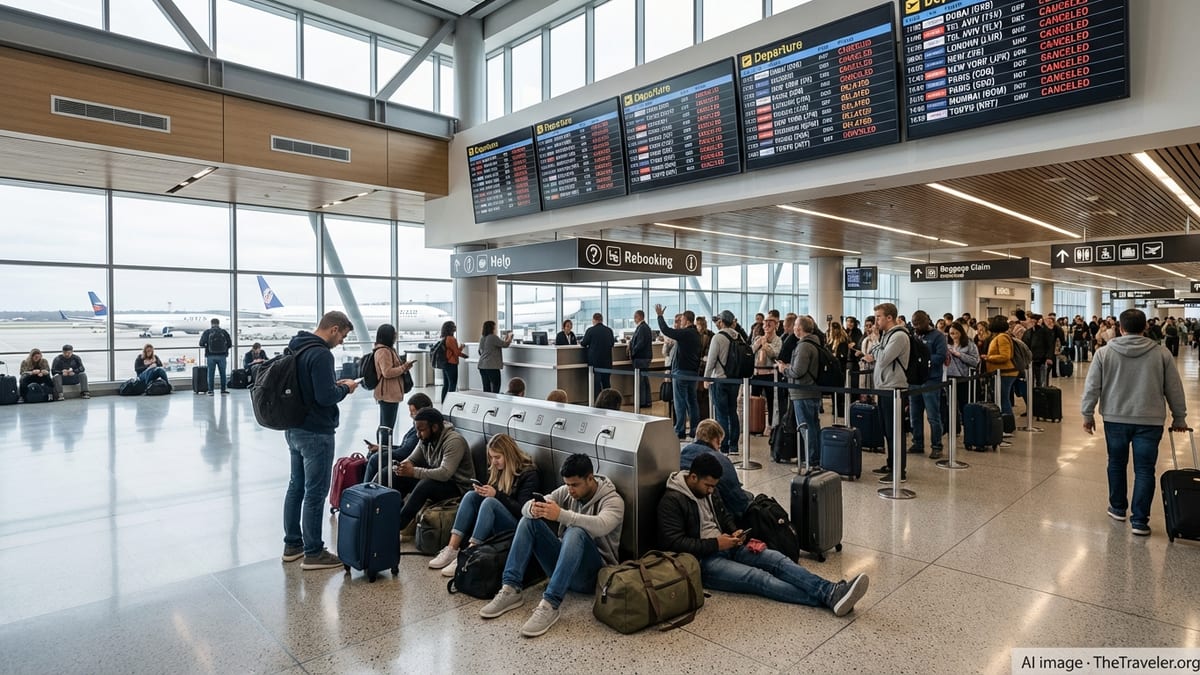
Repatriation flights begin after emergency suspension of services
According to widely circulated agency reports published on October 2, Israel and the United Arab Emirates have coordinated special flights to return passengers who were left in limbo when FlyDubai halted its Dubai to Tel Aviv operations. The move follows an on-board attack earlier in the week in which a FlyDubai copilot allegedly stabbed the captain and attempted to crash a Boeing 737 carrying 182 people from Dubai to Tel Aviv.
Coverage by international outlets indicates that Israeli carriers El Al, Arkia and Israir have been authorized to operate one-way rescue services from Dubai and other UAE gateways back to Tel Aviv. Initial flights are scheduled to depart on Friday and over the coming days, with priority given to travelers whose original reservations were cancelled when commercial traffic was suspended in the wake of the incident.
Reports note that these repatriation flights are being treated as exceptional operations rather than the full resumption of the pre-incident schedule between the two countries. Regular commercial services on the route remain paused while investigations into the cockpit attack continue, leaving the special flights as the main channel for stranded leisure and business travelers trying to reach Israel.
Publicly available information suggests that some passengers have already been notified that their original FlyDubai tickets are being rebooked onto Israeli-operated services or alternative carriers, while others have been advised to await confirmation before heading to the airport. Travel advisories emphasize that only passengers with written confirmation should present themselves for these limited-capacity departures.
Details of the FlyDubai cockpit attack and its impact on travel
The repatriation effort stems directly from a dramatic in-flight emergency on September 30, when FlyDubai flight FZ1073 from Dubai to Tel Aviv made an unscheduled landing in Tabuk, northwestern Saudi Arabia. According to published accounts from international news agencies, the aircraft descended sharply after the copilot allegedly attacked the Indian captain inside the cockpit, prompting a struggle that involved additional crew members and passengers.
Reports indicate that the captain, despite serious stab wounds, managed to open the cockpit door, allowing passengers to restrain the attacker while the aircraft was still airborne. The plane later diverted to Saudi Arabia, where medical teams treated the injured and arrangements were made for passengers to continue their journey to Israel on a separate aircraft.
As the scale of the incident became clear, FlyDubai suspended its services between the UAE and Israel while authorities in the UAE, Saudi Arabia and Israel began parallel investigations. Israeli leaders publicly described the episode as a potential terrorist attack, and media coverage has highlighted early indications that the alleged assailant may have undergone recent radicalization, though a definitive motive has not yet been officially published.
The abrupt suspension of flights disrupted a busy travel corridor that has grown rapidly since the normalization of ties between Israel and the UAE in 2020. Trade fairs, family visits and short leisure trips between Tel Aviv and Dubai have become common, and industry reports suggest that thousands of Israeli nationals were in the Emirates when the route was suddenly halted.
How the repatriation program is structured for stranded travelers
According to aviation and travel industry reporting, the current repatriation program focuses on one-way flights from the UAE to Israel, without matching outbound legs from Tel Aviv. Israeli airlines are using narrow-body aircraft similar in size to FlyDubai’s Boeing 737 fleet, meaning that seats are limited relative to the volume of passengers seeking to return.
Public schedules released through media channels show that Arkia and Israir plan to operate several Dubai to Tel Aviv rotations over the coming days, while El Al’s initial rescue plans were adjusted as operational approvals and demand forecasts evolved. Many of these flights are being added on short notice, and departure times are subject to change as clearances are finalized with airports and aviation authorities in both countries.
Travelers holding FlyDubai tickets for the Dubai to Tel Aviv route are being advised in public notices and press coverage to check directly with the airline or their booking agent to determine whether they have been reassigned to an Israeli carrier. In some cases, reports indicate that passengers may be rebooked via Abu Dhabi on Etihad Airways or other regional airlines that still operate to Israel through third countries, though routing options are constrained by ongoing regional tensions and airspace considerations.
Because standard commercial booking channels show limited or no availability on the paused route, industry guidance suggests that stranded passengers rely on official airline communications, embassy bulletins and announcements from recognized carriers, rather than attempting to piece together last-minute itineraries through informal intermediaries or unverified travel agencies.
What passengers in the UAE should know right now
For travelers currently in Dubai or other parts of the UAE, publicly available information highlights several practical steps. First, passengers whose original flights were cancelled after the FlyDubai incident are encouraged to monitor airline apps, email and text messages closely for updates on rebooking to repatriation services. Many of the rescue flights are being filled from pre-identified lists of affected passengers, leaving few opportunities for on-the-spot ticket purchases at the airport.
Second, reports indicate that travelers should arrive at the airport only if and when they have a confirmed booking reference and clear instructions on check-in times. Given heightened security and the exceptional nature of these operations, local airport authorities are working to avoid large numbers of unconfirmed passengers gathering at departure halls hoping for standby seats.
Third, passengers who can afford to delay their return are being advised in some travel coverage to consider extending hotel stays by a few days, as this may ease pressure on the earliest repatriation flights. Hotels in popular districts of Dubai and Abu Dhabi are reported to be accommodating date changes where availability allows, though specific policies vary by property and booking channel.
Finally, travelers who insured their trips may be able to claim additional accommodation or rebooking costs where their policies include disruption caused by security incidents or airline schedule suspensions. Insurance providers are beginning to circulate advisories explaining what documentation is required, such as cancellation notices from FlyDubai or written confirmation that the original flight has been suspended and rebooked.
Broader implications for Israel–UAE air links and regional tourism
The FlyDubai attack and the resulting repatriation effort have raised new questions about aviation security and the resilience of recently opened travel corridors in the Middle East. Analysts quoted in international coverage note that the Dubai–Tel Aviv route had come to symbolize the practical benefits of normalization between Israel and parts of the Gulf, with frequent flights, competitive fares and attractive stopover packages.
Whether those patterns resume at the same scale will depend on the outcome of ongoing investigations and the confidence of both regulators and the traveling public. Authorities in the UAE and Israel are reviewing cockpit access procedures, psychological screening and monitoring of flight crew, and coordination protocols for emergencies that unfold while an aircraft is over third countries, as occurred with the diversion to Saudi Arabia.
Tourism players in both countries are closely watching the pace at which scheduled services return. If the FlyDubai suspension is prolonged, Israeli carriers could see a larger share of traffic on the corridor, while some travelers may shift to itineraries connecting through European or Mediterranean hubs. Travel industry reports also point out that business delegations and organized tours often plan months ahead, so perceptions of risk can influence bookings well beyond the immediate crisis period.
For now, the repatriation flights offer a narrow but vital lifeline for those stranded by an incident that unfolded in minutes but disrupted one of the region’s fastest-growing travel links. As investigations continue, the experience of these passengers and the performance of the special services bringing them home are likely to shape future policies on how the region responds to sudden shocks in the aviation sector.