


More news on this day
Israel is beginning special repatriation flights from the United Arab Emirates on Friday, aiming to bring home hundreds of travelers stranded after FlyDubai suspended its services to Tel Aviv in the wake of a midair cockpit attack earlier this week.
Get the latest news straight to your inbox!
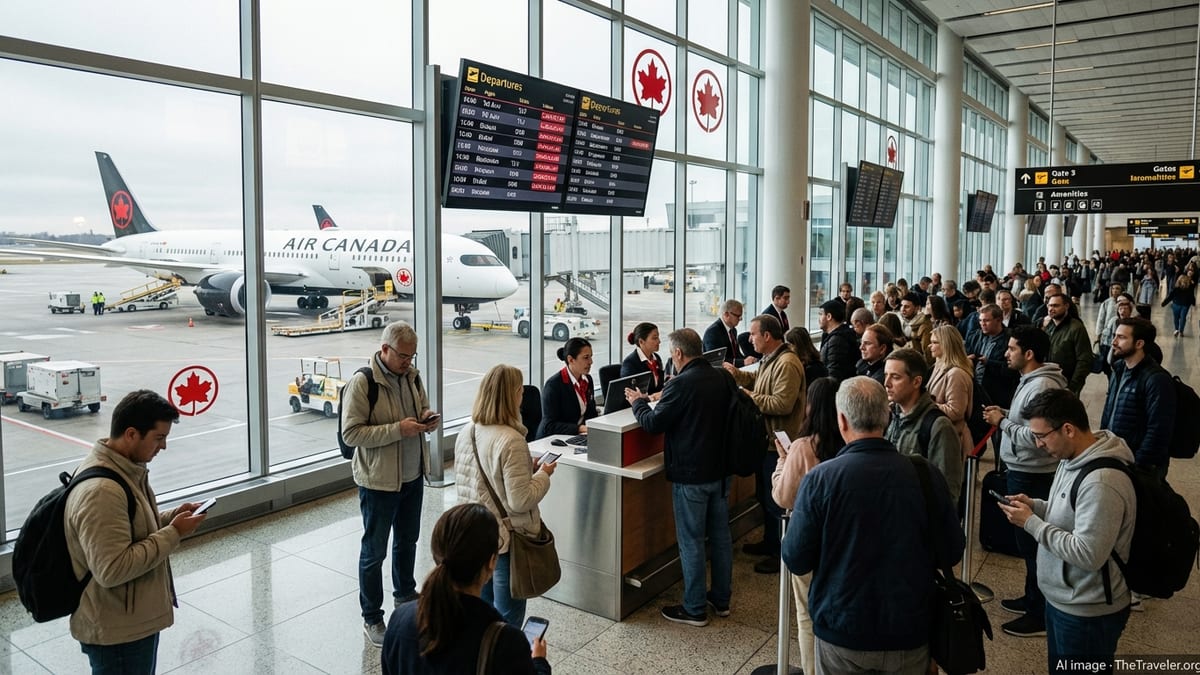
Special rescue operations begin after route suspension
According to published coverage, Israel arranged one-way repatriation flights after commercial services between Israel and the United Arab Emirates were halted following the FlyDubai incident on Wednesday, September 30, 2026. The emergency measure focuses on Israeli and other passengers who had already arrived in Dubai and Abu Dhabi for leisure and business trips, but suddenly found their return options cut off.
Reports indicate that the first rescue flights are scheduled to depart the UAE on Friday, October 2, operated by Israeli carriers under special permissions agreed between Jerusalem and Abu Dhabi. These flights are being organized on a point-to-point basis, with priority reportedly given to travelers whose original return journeys on FlyDubai were canceled and to passengers with urgent medical, family or work needs.
Publicly available information shows that seats on the initial services are limited, and demand is high as travelers seek the earliest opportunity to leave. Tour operators in Israel have described a surge of inquiries from customers stuck in Dubai hotels or at relatives’ homes, many of whom had originally chosen the FlyDubai route for its competitive fares and frequent daily schedule to Ben Gurion Airport.
Media coverage notes that the new flights are currently one-way only, focused solely on repatriation. Regular commercial schedules between the two countries remain suspended while investigations continue into the attempted cockpit attack and as regulators in both Israel and the UAE review security and operational protocols.
El Al, Arkia and Israir move to fill the gap
Details published by Israeli outlets show that national carrier El Al and smaller airlines Arkia and Israir have been tapped to operate the first wave of repatriation flights. These carriers typically run holiday services to Dubai and Abu Dhabi, but in this case are adjusting aircraft deployment and crew rosters to mount special operations at short notice.
Timetables reported on Friday morning suggest that Arkia and Israir are each planning at least one flight from Dubai International Airport, subject to final slot approvals and coordination with UAE aviation authorities. Additional frequencies over the weekend are under discussion, depending on how quickly stranded passenger numbers shrink and whether FlyDubai or other Gulf airlines resume any service to Israel.
El Al initially prepared its own rescue flights but has reportedly adjusted some of its plans as approvals and security conditions evolved. Travelers are being advised, through airline announcements and local media reports, to verify flight status repeatedly on the day of departure, since operational decisions are being made in near real time.
For stranded visitors, the emergence of Israeli-operated services offers a clearer path home after nearly two days of uncertainty. Travelers who booked through Israeli tour agencies or online platforms linked to local carriers are being reprotected where possible on these special flights, though many are still facing changes to dates, departure times and baggage arrangements compared with their original FlyDubai itineraries.
FlyDubai suspends Israel route while investigation unfolds
The repatriation program follows FlyDubai’s decision to suspend flights to and from Israel after a dramatic security incident aboard flight FZ1073 from Dubai to Tel Aviv. Public reports describe how the copilot allegedly attacked the captain with a knife in the cockpit, triggering a sharp descent and leading to an emergency diversion to Tabuk in northwestern Saudi Arabia.
According to coverage from international and regional outlets, the Boeing 737 carrying 182 people landed safely in Tabuk, where passengers disembarked and later continued to Israel on another aircraft. The incident prompted the United Arab Emirates’ aviation regulator to open an investigation, while FlyDubai halted its Israel services pending a security and safety review.
The airline’s suspension created an immediate gap on a corridor that has become popular since the normalization of relations between Israel and the UAE. Travelers who had planned October returns from Dubai or Abu Dhabi to Tel Aviv suddenly found that their bookings were either canceled outright or left in limbo, prompting Israel’s move to coordinate its own flights.
For now, there is no publicly available timeline for when FlyDubai might restart the route. Aviation analysts quoted in open-source coverage suggest that any resumption would likely depend on the outcome of the investigation into the cockpit attack, potential regulatory conditions from the UAE, and broader regional security considerations.
What stranded travelers need to know
Information published by Israeli media and travel agencies indicates that stranded passengers seeking a seat on the repatriation flights should first contact their original airline or booking agent. In many cases, FlyDubai customers are being directed to local representatives or partner agencies in Israel that are coordinating with El Al, Arkia and Israir to arrange alternative transport.
Travelers already in the UAE are being advised to monitor airline announcements in Hebrew, Arabic and English, as well as updates from Israel’s aviation and foreign affairs authorities. Some reports indicate that proof of an existing ticket on the Dubai–Tel Aviv route, or documentation of residence in Israel, may be required to secure a seat on the special flights, although specific criteria can vary by carrier.
Because seat numbers are limited, passengers are encouraged to remain flexible on departure dates and times. Published coverage notes that some travelers have accepted routings from either Dubai or Abu Dhabi, depending on where aircraft and landing slots could be arranged, and that check-in procedures may take longer than usual due to enhanced security screening and verification.
Those unable to secure an immediate seat are generally being advised, through tour operators and travel advisories, to stay in regular contact with their airline or agent rather than travel independently to the airport without a confirmed booking. Hotels in Dubai and Abu Dhabi are reportedly offering a range of rebooking or extension options, but these depend on individual properties and the terms of each reservation.
Broader implications for regional air travel
The FlyDubai incident and the resulting repatriation flights have raised broader questions about aviation security and route stability across the Middle East. The cockpit attack came at a time when the region was already unsettled by the ongoing conflict between the United States and Iran, and when airlines were adjusting flight paths and schedules around evolving risk assessments.
Travel industry observers quoted in international coverage note that the emergency diversion to Tabuk and the subsequent cross-border coordination between Saudi Arabia, the UAE and Israel highlight both the vulnerabilities and the resilience of regional air travel networks. The ability to mount rapid repatriation flights from the UAE demonstrates significant behind-the-scenes cooperation, even as political relations remain complicated in parts of the region.
For prospective visitors, the episode serves as a reminder to pay close attention to airline advisories, security updates and travel insurance coverage, particularly on routes that traverse sensitive airspace or rely heavily on a single carrier. Some Israeli tour operators have indicated that future package offerings to the UAE may place greater emphasis on using airlines with multiple daily frequencies or on itineraries that include flexible rebooking provisions.
In the short term, the special flights from Dubai and Abu Dhabi back to Tel Aviv are expected to operate only as long as it takes to clear the backlog of stranded passengers. Longer-term patterns in Israel–UAE travel will likely depend on the outcome of the FlyDubai investigation, regulatory responses on both sides and travelers’ confidence in returning to the route once regular services resume.