


More news on this day
The Icelandic Met Office has expanded a landslide warning area across parts of East Iceland after reports of flooding and debris flows, raising concerns about slope stability and travel safety along key coastal and mountain routes.
Get the latest news straight to your inbox!
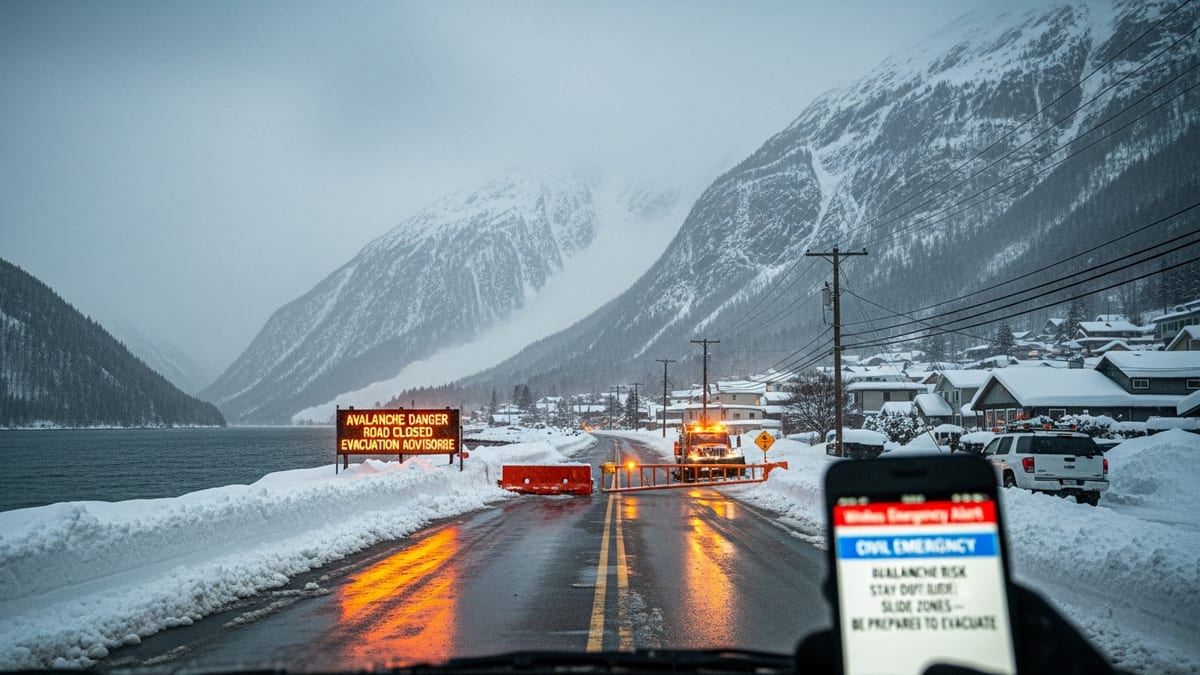
Warning Area Extended After New Flood Reports
According to published coverage in Iceland Review and information from the Icelandic Met Office, the expanded alert took effect on 1 October and now covers Southeast Iceland, the Eastfjords and parts of the central highlands through early Friday morning. The change followed new reports of flooding and debris flows in the northern Eastfjords, where intense rainfall has interacted with already saturated ground.
The extension brings more communities and transport corridors into the warning zone, including stretches of the Ring Road and local roads that run beneath steep slopes. Publicly available information indicates that the notice focuses on the possibility of sudden landslides and rockfalls rather than blanket closures, but travellers are being urged via road and travel advisories to treat any steep, narrow section with caution.
Flood reports from the region describe water and loose material moving downslope into low-lying areas and toward road embankments. While the rainfall is forecast to ease into Friday, forecasters note that unstable slopes can continue to release debris even after the heaviest rain has passed, particularly where drainage channels have become blocked or redirected.
The updated warning builds on earlier advisories issued midweek for heavy rain and challenging driving conditions in East Iceland. Those earlier alerts highlighted the potential for localized flooding, but the latest move explicitly factors in the combined risk of flooding and slope failure across a wider geographical area.
Heavy Rain, Saturated Ground and Steep Terrain
Meteorological guidance from the Met Office in Iceland and severe weather guidance from the UK Met Office describe landslides as a secondary hazard that often emerges after prolonged or intense rainfall. When successive weather systems track across the same region, water can infiltrate deep into soil and fractured rock, reducing friction and weakening the bonds that hold slopes together.
In East Iceland, recent bouts of rain have left hillsides saturated. Coverage in Iceland Review notes that further rainfall, even if lighter than previous downpours, can be enough to trigger debris flows. Water percolating through loose scree and glacial sediments can mobilize boulders, mud and vegetation, sending fast-moving torrents downslope and into gullies, rivers and road cuttings.
Steep-sided fjords amplify this risk. Roads often hug the base of mountain walls, leaving only a narrow margin between rock faces and the shoreline. When a landslide releases above such a road, there may be limited space for material to spread out, so rocks and mud can reach the carriageway quickly. In some previous events documented by local media and civil protection summaries in Iceland, sections of Route 1 east of Höfn have been damaged or cut off after river levels rose sharply and undercut the roadway.
Hydrological assessments referenced in official guidance from national meteorological services highlight how snowmelt, ice melt and elevated river flows can compound the effects of rain. Even where snow cover is patchy, warmer air temperatures during a rainy spell can increase runoff, adding to the load on already stressed drainage systems and natural channels.
Impacts for Travellers on the Ring Road and Local Routes
Travel-focused advisories from Iceland Review and public safety sites emphasize that the expanded landslide warning does not automatically mean all roads in the area are closed. Instead, the alert signals that certain stretches are more exposed to sudden hazards, particularly those beneath steep slopes or in narrow valleys where debris can funnel into a confined space.
Drivers using the Ring Road in Southeast Iceland and the Eastfjords are being advised to monitor updated road condition maps and weather bulletins before departure. In previous heavy-rain episodes, local reports have described sections of the highway near Jökulsá í Lóni and other glacial rivers where floodwater eroded the road edge or washed away shorter spans, forcing temporary closures and long detours.
For visitors unfamiliar with Iceland’s terrain, travel guidance stresses the importance of treating water, rockfall and mud on the road as dynamic hazards that can change quickly during a storm cycle. Visibility may decrease in heavy rain and low cloud, which can make it harder to spot small rockfalls or standing water until it is too late to react safely.
Publicly available safety advice encourages travellers to plan extra time for journeys in affected regions, avoid driving at speed through water-covered sections and pay attention to any roadside signs or barriers. Some insurance policies and rental agreements also highlight that damage from driving through floodwater may not be covered in all circumstances, underscoring the financial as well as personal safety implications of misjudging conditions.
Landslide and Flood Risk in a Changing Climate
Climate assessments from European and North Atlantic meteorological agencies indicate that more frequent heavy rainfall events are expected as the atmosphere warms. For countries like Iceland, which already contend with steep terrain, unstable volcanic and glacial deposits and rapid weather changes, this can translate into a higher likelihood of combined flood and landslide episodes in some regions.
Technical guidance published by the UK Met Office on its National Severe Weather Warning Service sets out how impact-based warnings increasingly take account of ground conditions and recent rainfall, not just the intensity of the next storm. A similar approach is reflected in the Icelandic Met Office’s practice of updating landslide alerts when new flood or debris-flow reports emerge, as has occurred this week in the Eastfjords.
Research shared by national weather services and flood agencies points to the importance of integrating meteorological data, river monitoring and landslide mapping. When rainfall forecasts are matched against information on previous slope failures, soil types and drainage patterns, forecasters can refine warning polygons to prioritize the areas most exposed to hazardous runoff and slope instability.
Urban expansion, new road construction and growing visitor numbers can also influence risk. As more infrastructure is built in valleys, on alluvial fans or beneath steep escarpments, the potential impact of a single landslide increases, even if the underlying natural processes have not changed. This dynamic is especially relevant for popular tourist routes where seasonal traffic peaks coincide with autumn and winter storm systems.
Safety Guidance for Residents and Visitors
Public information from meteorological services, civil protection agencies and travel organizations in Iceland outlines several practical steps for those in or near the warning area. Residents are advised through national channels to stay informed via official weather and road condition updates, and to be ready to move vehicles and valuables away from slopes, drainage channels and low-lying areas that could flood or receive debris.
For visitors, travel advisories recommend checking the latest bulletins each morning and before undertaking long segments of the Ring Road in the southeast and Eastfjords. Guidance stresses that travellers should avoid stopping for photographs or rest breaks directly beneath steep gullies or visible rockfall scars, particularly during or immediately after heavy rain when slopes may still be releasing material.
General flood safety information from the Met Office and partner agencies underlines that people should not attempt to walk or drive through fast-moving or opaque floodwater. Even shallow flows can conceal holes, dislodged rocks or damaged tarmac, and vehicles can lose traction in surprisingly low depths. Where landslide deposits have reached the road, advice is to turn back rather than attempt to drive over loose, unstable debris.
Authorities in Iceland continue to encourage anyone planning travel in affected regions to stay flexible and be prepared for route changes or delays. With the latest landslide warning now extended across a broader swath of East Iceland, both residents and visitors are being urged, through publicly available advisories, to prioritize safety over fixed itineraries while the ground remains saturated and rivers are running high.