


More news on this day
American Airlines is intensifying its focus on high-yield travelers as it rolls out an upgraded business class experience, pairing its new Flagship Suite cabins with refreshed onboard amenities, expanded premium routes and added benefits for global corporate customers.
Get the latest news straight to your inbox!
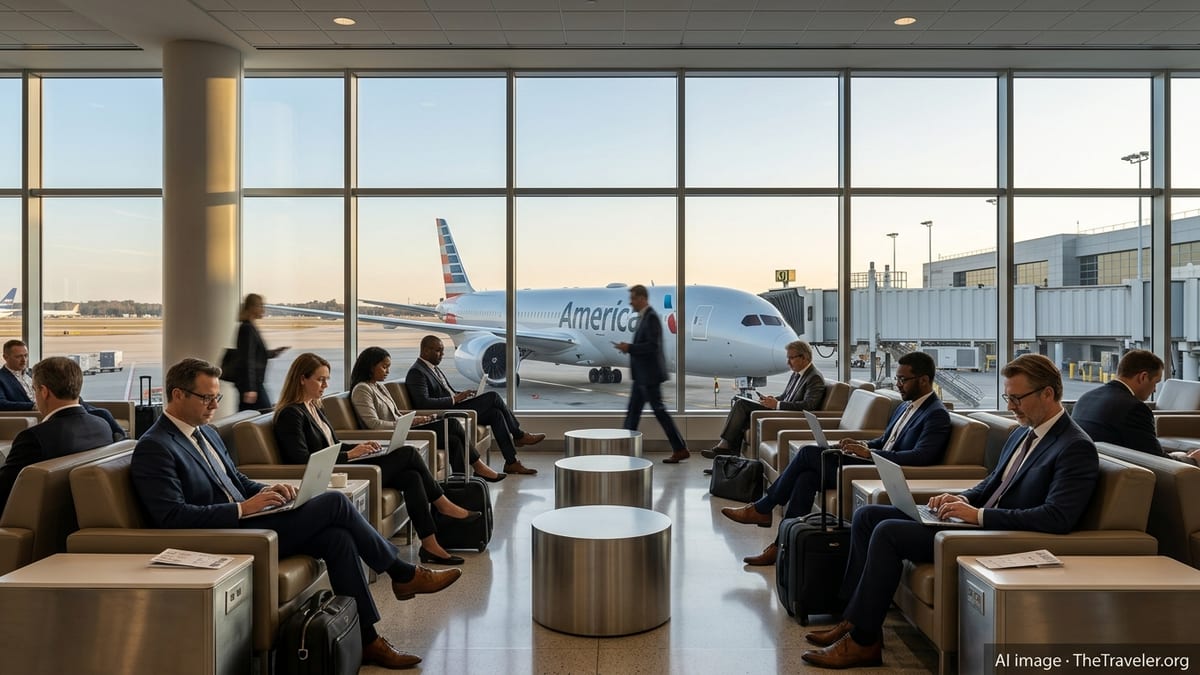
Flagship Suite Becomes the Centerpiece of Premium Strategy
American’s latest round of premium investments centers on Flagship Suite, the carrier’s new business class seat now flying on select Boeing 787-9 aircraft and joining the fleet across additional widebody and narrowbody jets. The fully enclosed suites bring sliding doors, direct aisle access at every seat and additional storage, aligning American with the global trend toward more private, apartment-style business cabins on long-haul routes.
Reports from the airline’s fleet updates indicate that up to 30 newly configured 787-9 aircraft are planned, forming a core part of American’s long-haul premium strategy through 2029. These jets feature an expanded business cabin compared with earlier Dreamliner layouts, reflecting a deliberate pivot toward higher-yield corporate and premium leisure markets on key intercontinental routes.
The Flagship Suite concept is being extended beyond new deliveries. A recently unveiled retrofit of American’s 777-300ER fleet introduces the same business class suite, replacing the previous mix of first and business class with a higher-density premium configuration. According to published coverage, the refreshed 777-300ER now offers more business and premium economy seats than any other U.S. airline on similar long-haul missions.
This unified approach to business class hardware is designed to create a consistent top-tier experience across the airline’s most important international markets, from London and Tokyo to key commercial centers in South America and the South Pacific.
Reimagined Cabins Add Amenities, Space and Connectivity
The new business class benefits extend beyond the seat itself. Publicly available information on American’s onboard experience highlights upgraded bedding, new amenity kits and refreshed dining concepts launched as part of a broader cabin overhaul initiated in 2024. The airline has introduced a rotating lineup of premium amenity kits, with limited-edition designs and expanded wellness products aimed at frequent long-haul travelers.
Within Flagship Suite, business travelers gain larger 4K seatback screens and expanded power options, including USB-C and AC outlets, supported by an updated entertainment platform. Reviews of the new 787-9 premium configuration point to more intuitive user interfaces, improved screen resolution and a broader catalog of inflight content designed to support both productivity and downtime on long sectors.
Connectivity and device support have also been prioritized. Cabin specifications for the latest aircraft include Bluetooth audio pairing and enhanced in-seat charging, enabling travelers to use personal wireless headsets and keep multiple devices powered throughout transcontinental or intercontinental journeys. Those upgrades are complemented by updated mood lighting and redesigned cabin finishes, intended to give the business cabin a more residential, lounge-like atmosphere.
Premium economy has been refreshed alongside business class, creating a clearer step-up ladder for travelers seeking extra comfort without the full business fare. New premium economy seats echo elements of the Flagship Suite design language and provide additional legroom, upgraded cushioning and enhanced entertainment screens, allowing American to serve a broader range of premium price points on the same aircraft.
Network Focus on High-Value Global Corridors
The new business class product is being deployed first on routes where demand for premium cabins is strongest. According to American’s published route and demand data, corporate and high-end leisure bookings in premium cabins have risen by nearly 15 percent year over year in the 12 months ending May 2026, with particular strength in transatlantic and transcontinental traffic.
Flagship Suite-equipped aircraft are already operating on core international corridors, including flights linking Chicago and Los Angeles with London Heathrow, and are being added to additional long-haul markets as new deliveries arrive. The 777-300ER fleet, which operates many of American’s flagship long-haul services to London, Tokyo, Sao Paulo, Buenos Aires and Sydney, is in the process of receiving the new interior, bringing the enhanced business class and premium economy cabins onto some of the airline’s most visible global routes.
On narrowbody equipment, American is positioning the Airbus A321XLR as a premium-focused workhorse on long-thin transatlantic and high-demand transcontinental services. The aircraft is configured with dedicated business, premium economy and main cabin sections, allowing the airline to offer lie-flat suites on routes that would not traditionally support widebody aircraft while still maintaining a full spectrum of fares.
As more aircraft enter service, analysts expect American to continue shifting capacity toward routes where premium demand is strongest, reinforcing its presence on key business corridors between the United States and Europe, Latin America and select Asia-Pacific gateways.
Corporate Travelers Gain New Perks and Flexibility
The evolution of American’s business class cabin is being accompanied by changes on the corporate side of the business. The airline’s AAdvantage Business program has introduced a new Select tier with added benefits, including savings on eligible fares, preferred boarding and enhanced mileage accrual for both companies and travelers. These offerings are designed to make premium cabins more accessible to small and midsize firms that may not have traditional corporate contracts.
For individual travelers, the integration of Flagship Suite into the wider AAdvantage ecosystem is expected to create more upgrade and mileage-redemption opportunities as more seats come online. While upgrade rules and availability continue to differ by route and booking class, a larger installed base of business class seats across the fleet should, over time, increase the volume of premium inventory available for loyalty redemptions on select long-haul routes.
Reports from frequent-flyer communities highlight that American is also fine-tuning its approach to complimentary and mileage-based upgrades between main cabin, premium economy and business. Some long-haul and transcontinental flights now use premium economy as a defined intermediate step, formalizing a three-tier premium ladder that starts at extra-legroom economy and climbs through premium economy into Flagship Suite business.
These changes reflect a broader trend among global airlines to carefully manage yield in premium cabins while still offering pathways for loyal customers to experience the top products through miles, co-branded credit card benefits or corporate travel agreements.
Competitive Pressure in the Transatlantic and Transcon Markets
American’s enhanced business class push comes amid intense competition in the premium travel segment. Rival U.S. and European carriers have invested heavily in suites with closing doors, upgraded bedding and more personalized service, particularly on transatlantic routes where joint ventures and alliances vie for corporate contracts.
Industry observers note that American’s decision to eliminate traditional international first class on the 777-300ER and concentrate on an expanded business class offering mirrors a wider realignment across the sector. By growing the footprint of Flagship Suite and refining premium economy, the airline is targeting the broader pool of corporate and affluent leisure travelers who are more likely to book business than first, especially under modern travel policies.
The deployment of new premium-configured aircraft on routes such as New York to London, Los Angeles to London and other high-frequency business corridors is expected to sharpen competition on service and hard product, not just schedule. Travel analysts suggest that as American’s rollout progresses, pressure will increase on competitors to maintain or raise their own standards for business class cabins, inflight technology and ground-side benefits such as lounges and priority services.
For global travelers, the result is a more differentiated marketplace in which the specifics of the seat, entertainment, connectivity and upgrade pathways are increasingly central to airline choice. American’s latest business class enhancements position the carrier to compete more directly in that space, particularly for customers who place a premium on privacy, productivity and consistent comfort across the network.
American Airlines premium-configured Boeing 777-300ER details
American Airlines new premium Boeing 787-9 with Flagship Suite
Reimagined onboard experience and premium amenities at American Airlines
Growing demand for premium business travel on American Airlines