


More news on this day
An American Eagle service operating as American Airlines flight ENY4057 between Tulsa and Chicago diverted to Madison, Wisconsin, after disruption on the planned route, highlighting the continued strain on regional operations and summer weather across the United States air network.
Get the latest news straight to your inbox!
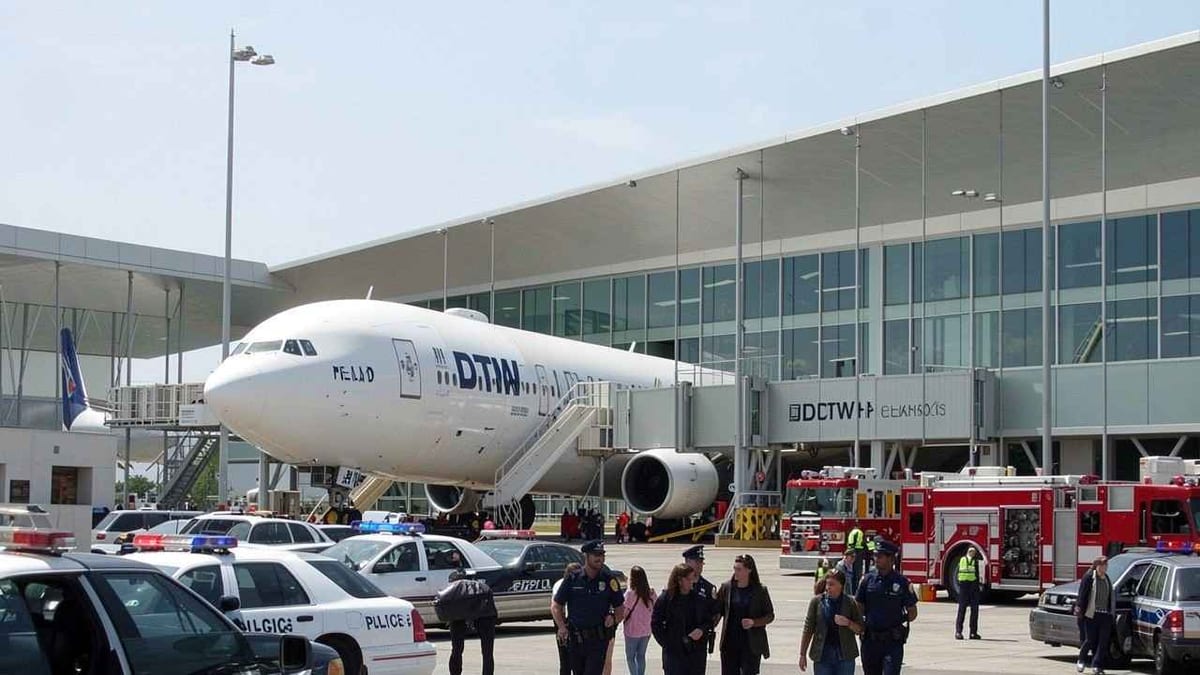
Unscheduled Stop on Tulsa to Chicago Route
Publicly available flight-tracking data shows that American Eagle flight ENY4057, operating on behalf of American Airlines between Tulsa International Airport in Oklahoma and Chicago O'Hare International Airport, was forced to divert from its planned path and land in Madison, Wisconsin. The regional service, typically operated by an Embraer jet under the Envoy Air banner, departed Tulsa with Chicago as its scheduled destination before altering course en route and heading to Dane County Regional Airport in Madison.
Initial information emerging from flight-tracking platforms indicates that the change in routing occurred as the aircraft approached the Chicago area, a busy segment of airspace that has seen repeated congestion and weather-related complications during the current travel season. The diversion placed passengers hundreds of miles short of their intended endpoint, turning what is normally a relatively short regional hop into a more complex journey.
As is common in such events, the diversion resulted in the aircraft spending time on the ground in Madison while crews and operations teams assessed options for either continuing the flight or rebooking passengers onto alternative services. The episode underscores how quickly conditions on heavily trafficked corridors such as Tulsa to Chicago can shift, prompting rapid operational decisions.
Potential Factors Behind the Diversion
While specific causes for the diversion of ENY4057 have not been formally detailed in public statements at the time of writing, patterns across recent operations in and out of Chicago suggest a combination of weather, air traffic management, and network congestion could have been contributing factors. Reports on other recent flights serving O'Hare describe thunderstorms, low visibility, and ground stops that have periodically forced arriving aircraft to hold or divert to nearby airports.
Aviation data and research on delay propagation in the United States have long identified Chicago O'Hare as a key pressure point in the national network, where local disruptions can quickly trigger system-wide knock-on effects. When arrival queues lengthen or safety margins are reduced by adverse weather, dispatchers and crews may opt for diversions to nearby fields with available capacity and suitable runway infrastructure.
Madison, with its less congested operations and proximity to Chicago, serves as a logical alternate in such circumstances. The airport has previously accommodated diversions by major U.S. carriers when conditions at O'Hare deteriorate or when aircraft need to refuel after extended holding patterns. The route taken by ENY4057 appears consistent with these broader operational practices.
Impact on Passengers and Downline Operations
For travelers aboard ENY4057, the diversion would have involved an unplanned arrival at a different airport, potential time on board while decisions were taken, and uncertainty around subsequent connections. According to published coverage of similar diversions, airlines may choose a mix of strategies such as refueling and continuing to the original destination when conditions improve, arranging alternative flights, or, in some cases, transporting passengers by ground if onward air options are limited.
When aircraft divert, crew duty-time limits, airport curfews, and gate availability can complicate efforts to resume the original routing. If the crew nears its legally defined operating hours, operators may be required to keep the aircraft on the ground until a replacement crew is available, or to cancel the remaining leg and re-accommodate passengers. These constraints can transform what begins as a short diversion into a multi-hour disruption.
Beyond the immediate inconvenience to those on board, the diversion of a regional jet such as ENY4057 can ripple through the broader schedule. Aircraft of this size often operate multiple short segments per day, connecting smaller cities to major hubs like Chicago. When one flight is significantly delayed or diverted, subsequent legs may be late, swapped to other aircraft, or canceled outright, affecting travelers who were never on the original disrupted service.
Madison’s Growing Role as a Diversion and Relief Hub
Madison’s Dane County Regional Airport has increasingly appeared in public reports as a diversion point for flights bound for Chicago and other Midwest hubs. Its geographic position within a short flying distance of O'Hare, combined with less congested operations than larger airports, makes it an appealing option when crews seek a quick and reliable place to land during irregular operations.
Recent traveler accounts and online discussions have highlighted instances of flights from various origins to Chicago landing in Madison to refuel, wait out storms, or resolve security or medical situations before continuing to their intended destinations. Although each event has its own circumstances, together they illustrate the role that mid-sized airports like Madison play in maintaining flexibility within the U.S. air transport system.
For the local airport, handling diversions brings both logistical challenges and opportunities. Ground handlers, security teams, and concession operators may see sudden spikes in activity as large numbers of unscheduled passengers arrive. At the same time, these events can introduce new travelers to the facility and to the city, even if their first encounter is unplanned.
Summer Strain Across the U.S. Air Travel Network
The diversion of American Eagle flight ENY4057 comes during a period of intense pressure on U.S. aviation, with summer travel volumes running high and weather patterns across the central United States proving volatile. Industry analyses and academic studies on delay propagation note that busy hub airports like Chicago O'Hare amplify the effects of storms, staffing challenges, and tight scheduling, making even minor disruptions more likely to cascade.
Travelers throughout the summer have reported extended delays, rolling cancellations, and last-minute re-routings as airlines attempt to keep complex schedules running amid shifting conditions. Regional routes such as Tulsa to Chicago, which rely on tight turnaround times and high aircraft utilization, can be particularly exposed when operational margins shrink.
Advisories from travel experts increasingly emphasize building additional buffer time into itineraries that transit major hubs, especially in the late afternoon and evening periods when thunderstorms and accumulated delays tend to peak. For passengers on flights like ENY4057, the experience serves as a reminder that even routine regional trips can be subject to rapid change when network pressures rise.