


More news on this day
American Express Global Business Travel’s latest data indicates a sharp divide in World Cup travel patterns, with strong demand and higher prices for flights into host cities contrasted by softer than expected hotel bookings in many U.S. markets.
Get the latest news straight to your inbox!
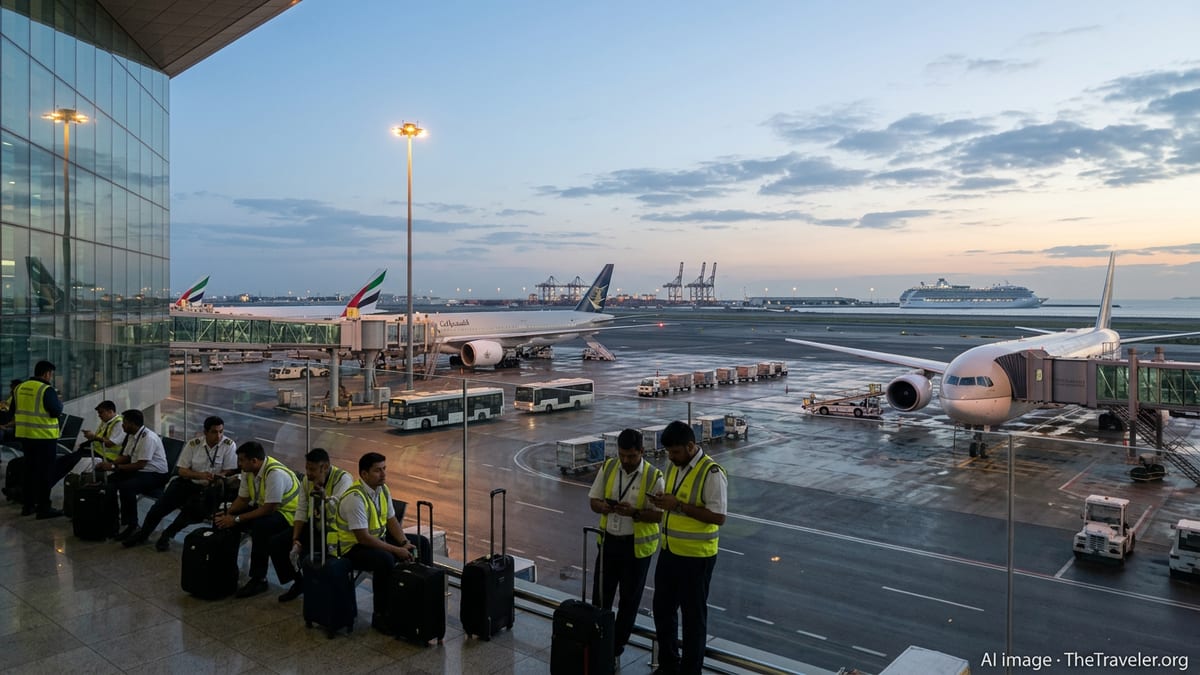
Airfares to World Cup Hosts Climb Sharply
Recent analysis from American Express Global Business Travel’s June 2026 Business Travel Pulse highlights that airfares to World Cup host cities are rising far faster than to non-host destinations. The company’s data shows domestic fares into host markets averaging more than 40 percent higher year over year, with transatlantic routes from Europe to North America’s host cities also recording double-digit increases compared with 2025 levels.
The report attributes part of this jump to tournament-driven demand layered on top of already elevated baseline pricing. Global carriers have been operating in an environment shaped by higher jet fuel costs and capacity constraints, and the World Cup schedule has concentrated demand on specific city pairs and travel windows. As seat availability tightens on those routes, published fares into match cities are tracking well ahead of broader market averages.
Other industry data points to similar trends. Booking intelligence from travel technology and distribution platforms shows a spike in flight reservations to North America following the release of the World Cup match schedule, particularly from key European source markets. These patterns suggest that, despite concerns about cost of living and geopolitical tensions, a significant cohort of international fans remains willing to pay premium prices to secure transport to marquee fixtures.
For corporate travel programs, American Express Global Business Travel’s analysis indicates that business itineraries are also being affected. Higher fares and compressed seat availability around match days are prompting recommendations that companies adjust travel policies, consider advance booking strategies and evaluate alternative routings or departure dates when moving employees through World Cup hubs.
Hotel Demand in U.S. Host Cities Lags Forecasts
In contrast to the air picture, published assessments of the U.S. lodging sector ahead of the tournament present a more subdued story. A hotel outlook tied to the World Cup from the American Hotel & Lodging Association, referenced in American Express Global Business Travel’s materials, indicates that reservations linked to the event are falling short of initial expectations in many host cities.
Surveys of hotel owners and managers in major U.S. host markets show a majority reporting booking levels below both earlier World Cup projections and typical summer patterns for June and July. In some cities, hoteliers describe advance demand as comparable to an ordinary high-season period rather than the transformative surge that was widely anticipated when North America was awarded the tournament.
Market-level reporting underscores the divergence. Coverage of New York, Los Angeles and other large hosts points to relatively modest pickup so far, with inventories still widely available and occupancy pacing below what local tourism authorities had initially forecast. Industry commentary suggests that, while overall U.S. hotel demand in 2026 remains healthy, the World Cup itself has not yet produced the level of compression that would normally drive sell-outs and steep rate premiums across entire metropolitan areas.
American Express Global Business Travel’s hotel-focused analysis echoes this mixed picture. The company notes that, even as many properties in host cities are not yet tracking at full tournament expectations, contracted corporate rates for 2026 were negotiated higher in advance, and selected markets such as Toronto are already showing mid-single-digit year-over-year increases in average daily rate.
Rate Strategy, Pricing Expectations and Traveler Behavior
One factor shaping the gap between air and hotel performance appears to be early pricing strategy. Publicly available reports from hotel analytics firms indicate that many properties in host markets initially set aggressive rate expectations for the World Cup period, in some cases several multiples above standard summer averages. As bookings have not materialized at the pace anticipated, some operators are now discounting or adding incentives to stimulate demand.
Analysts suggest that travelers may be reacting to the combined impact of higher match ticket prices, elevated airfares and broader inflation concerns. For some international fans, the cost of combining flights, accommodation and game tickets in the United States, Canada or Mexico has reportedly pushed full-length tournament trips out of reach. Industry commentary also points to a larger share of domestically based attendees, who may be more inclined to take shorter trips or commute to matches without extended hotel stays.
Travel behavior appears increasingly targeted rather than wholesale. Data cited by American Express Global Business Travel and other research providers shows that demand spikes are concentrated around specific match days, venues and base camp locations, while many neighborhoods and secondary dates within host cities continue to trade closer to typical seasonal patterns. This creates a patchwork landscape in which some hotels experience strong compression and pricing power, even as others face weaker pickup.
For travel buyers and leisure visitors alike, analysts note that this environment rewards detailed planning. Closer examination of nightly demand curves and neighborhood-level performance may reveal competitive rates around certain fixtures, even in marquee cities, while last-minute booking strategies could carry greater risk in pockets where air capacity and hotel inventory converge around high-profile matches.
Implications for Corporate Travel and Event Planning
The split between robust air demand and softer hotel performance is shaping how companies and event planners approach World Cup travel. According to American Express Global Business Travel’s June outlook, the continued rise in airfares adds cost pressure to corporate budgets just as many organizations are resuming more ambitious international travel programs. Procurement teams are being encouraged to lock in critical itineraries early, especially for employees who must be on the ground in host cities during peak match periods.
On the accommodation side, subdued overall demand in many U.S. markets could create negotiating leverage. Corporate buyers may find opportunities to revisit previously contracted room blocks, particularly in cities where forward bookings remain below forecast. American Express Global Business Travel’s guidance suggests that organizations monitor city-level trends and be prepared to re-engage with hotels that are facing softer pickup than anticipated.
For meetings, incentives and hospitality programs built around the World Cup, the evolving demand picture may prompt adjustments. Travel managers are weighing the benefits of leveraging relatively favorable room availability against higher flight costs and capacity constraints. Some programs may consolidate activities in host cities where both air access and hotel demand are more balanced, while others may shift ancillary events to nearby non-host markets that offer lower prices and more flexible inventory.
Industry observers indicate that the tournament is also serving as a live test of how mega-events perform in a period defined by elevated travel costs, complex geopolitics and changing traveler expectations. The interplay between strong air demand into World Cup destinations and uneven hotel performance across U.S. host cities is likely to be closely examined by both travel suppliers and corporate buyers as they shape strategies for future global events.