


More news on this day
Antarctica is experiencing one of the fastest-growing niche tourism booms on the planet, and key gateway nations including Argentina, Chile, Australia and New Zealand are moving to tighten safeguards as record visitor numbers test an environmental regime never designed for mass travel.
Get the latest news straight to your inbox!
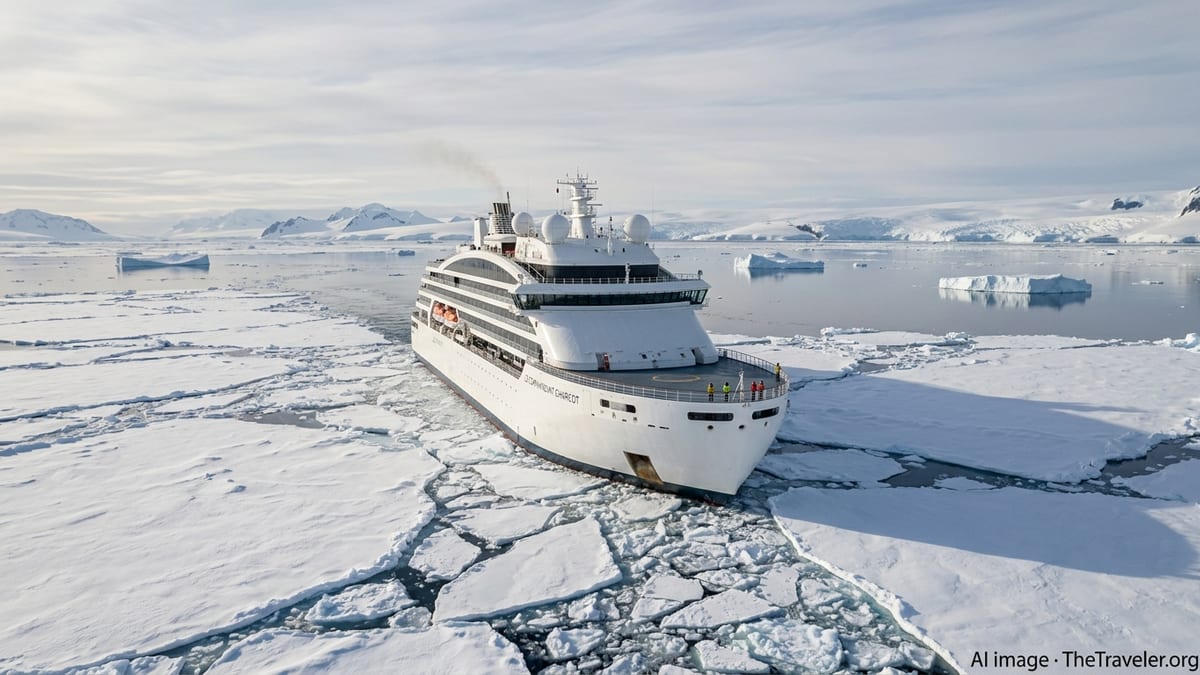
Visitor Numbers Pass 120,000 as Industry Expands
Publicly available industry data show that tourist numbers to Antarctica have more than doubled in a decade, with the International Association of Antarctica Tour Operators reporting more than 122,000 visitors in the 2023–24 season and just over 118,000 traveling with its members in 2024–25. Most arrive by cruise ship to the Antarctic Peninsula, a relatively accessible corner of the continent reached from ports in southern South America.
Forecasts published in recent tourism research suggest that if current trends hold, annual visitor numbers could climb toward 400,000 or more over the next decade. Analysts note that the rapid expansion of the global expedition cruise fleet, driven by rising demand for so-called once-in-a-lifetime trips, is a primary factor behind the surge.
The apparent plateau between the 2023–24 and 2024–25 seasons has not eased concerns among scientists and policy specialists, who describe the new baseline of more than 100,000 visitors a year as a structural shift rather than a temporary spike. Studies by conservation groups and academic institutions highlight the cumulative impact of repeated landings, ship traffic and aviation on a region that remains one of the least disturbed on Earth.
Unlike mainstream cruise destinations, Antarctica has no local population or municipal infrastructure to absorb tourism. Every ship must carry its own logistics, medical capacity and waste management systems, a model that concentrates both responsibility and risk in a handful of operators and the governments that authorize them.
Gateway Nations Push for Stronger Rules
As traffic has intensified, Antarctic gateway countries have taken a more assertive role in shaping how tourism is managed. Argentina and Chile, whose southern ports handle the bulk of ship departures to the Antarctic Peninsula, have highlighted the pressures on local infrastructure and the need for robust search and rescue and emergency response capabilities in nearby waters.
Australia and New Zealand, which oversee access routes to East Antarctica and the Ross Sea, have backed more conservative approaches to visitor numbers in some of the continent’s less-frequented regions. Their national Antarctic programs have emphasized the importance of keeping science and environmental protection at the center of activity in the Southern Ocean, even as commercial interest grows.
Recent Antarctic Treaty Consultative Meetings have devoted expanded working groups to tourism, including discussions on a continent-wide tourism framework. Meeting documents show that state parties, including Argentina, Chile, Australia and New Zealand, have submitted joint and coordinated proposals addressing stricter permitting, improved reporting of tourist activities and clearer contingency planning for accidents.
Officials in these countries have also supported more detailed site guidelines for popular landing points, restrictions on ship size in sensitive areas and more systematic collection of tourism data. Publicly available statements indicate that the overarching goal is to prevent ad hoc growth that could overwhelm both ecosystems and the 1990s-era legal tools that currently govern non-governmental activity.
Environmental And Safety Risks Come Into Focus
Environmental assessments published by scientific bodies and conservation organizations identify several risks linked to escalating tourism. These include disturbance of wildlife colonies by repeated human presence, introduction of non-native species through seeds and microorganisms carried on clothing and equipment, local pollution from fuel and waste, and cumulative noise impacts on marine mammals.
The vast majority of Antarctic tourism is ship-based, and even relatively small expedition vessels burn large quantities of fuel in waters that are increasingly recognized as important for climate regulation and biodiversity. Technical advances in ship design and a shift away from the most polluting fuels have reduced some risks, but research cited in policy debates notes that per-capita emissions for polar cruises can far exceed those of conventional trips.
Safety concerns are also central. The Southern Ocean is remote, storm-prone and poorly served by search and rescue assets relative to more developed cruising regions. Several high-profile incidents over the past two decades involving groundings, ice damage and medical evacuations have reinforced the reality that national Antarctic programs and nearby coastal states would likely be called upon to respond if a major accident occurred.
Argentina, Chile, Australia and New Zealand have all invested in polar-capable vessels, airfields and rescue coordination centers that could be drawn into complex operations involving tourist ships. Policy analysts argue that this shared exposure to risk gives gateway nations a direct incentive to push for conservative tourism management standards at international forums.
Antarctic Treaty System Strains Under Tourism Boom
The legal framework for managing tourism is rooted in the Antarctic Treaty and its Environmental Protocol, negotiated long before expedition cruising became a mass-market product. Decision-making is based on consensus among consultative parties, a process that gives every country a veto and can slow efforts to respond to fast-moving commercial trends.
In recent years, treaty parties have approved measures on ship-to-shore ratios, visitor caps at specific sites and obligations for tour operators to submit advance environmental assessments. However, legal scholars note that many of these measures require domestic implementation and do not always bind non-member operators or states that have not completed internal ratification procedures.
With tourism operators adding ships and itineraries more quickly than the treaty system tends to move, some researchers describe a growing gap between on-the-water realities and the regulatory toolbox. Papers presented to recent meetings call for a more comprehensive tourism framework that could include region-wide limits, mandatory data reporting and clearer rules on privately operated airfields and inland camps.
Gateway states have often acted as brokers in these debates, seeking to balance economic benefits for their port communities with the global expectation that Antarctica will remain a natural reserve devoted to peace and science. Their proposals frequently stress precaution and the need to treat tourism as one pressure among many, alongside climate change, fishing and scientific infrastructure.
Coordinated Action Aims To Shape The Continent’s Future
Collaborative initiatives involving Argentina, Chile, Australia, New Zealand and other treaty parties point toward a more integrated approach to tourism in the years ahead. Joint statements and working papers emphasize shared standards on passenger limits, biosecurity protocols and emergency preparedness, as well as closer cooperation with the tourism industry through bodies such as the International Association of Antarctica Tour Operators.
Public documents indicate that these states are exploring mechanisms to link national permitting systems more tightly with agreed international guidelines, so that operators face consistent expectations regardless of flag or departure port. Proposals include enhanced monitoring of ship movements, routine sharing of incident reports and coordinated inspections of vessels before the austral summer season begins.
Experts caution that even ambitious regulation cannot fully insulate Antarctica from risk as long as demand for polar travel continues to grow and climate change reshapes sea ice, wildlife distribution and coastal access. However, many analysts view the current efforts by key gateway nations and their partners as a critical test of whether the Antarctic Treaty System can adapt in time to preserve the continent’s unique values.
The choices made over the next decade, as policymakers weigh stricter limits against rising global interest in visiting the frozen continent, are likely to define what kind of Antarctic experience remains possible for future generations and how closely it aligns with the original vision of a continent dedicated to peace, science and environmental protection.