


More news on this day
Air travel across Asia faced another punishing day on May 18, 2026, as operational data showed at least 37 cancellations and 181 delays concentrated at major hubs from Beijing and Shanghai to Tokyo, Singapore, Hong Kong and Seoul, affecting services operated by Air China, China Eastern, ANA, Japan Airlines and several other regional and international carriers.
Get the latest news straight to your inbox!
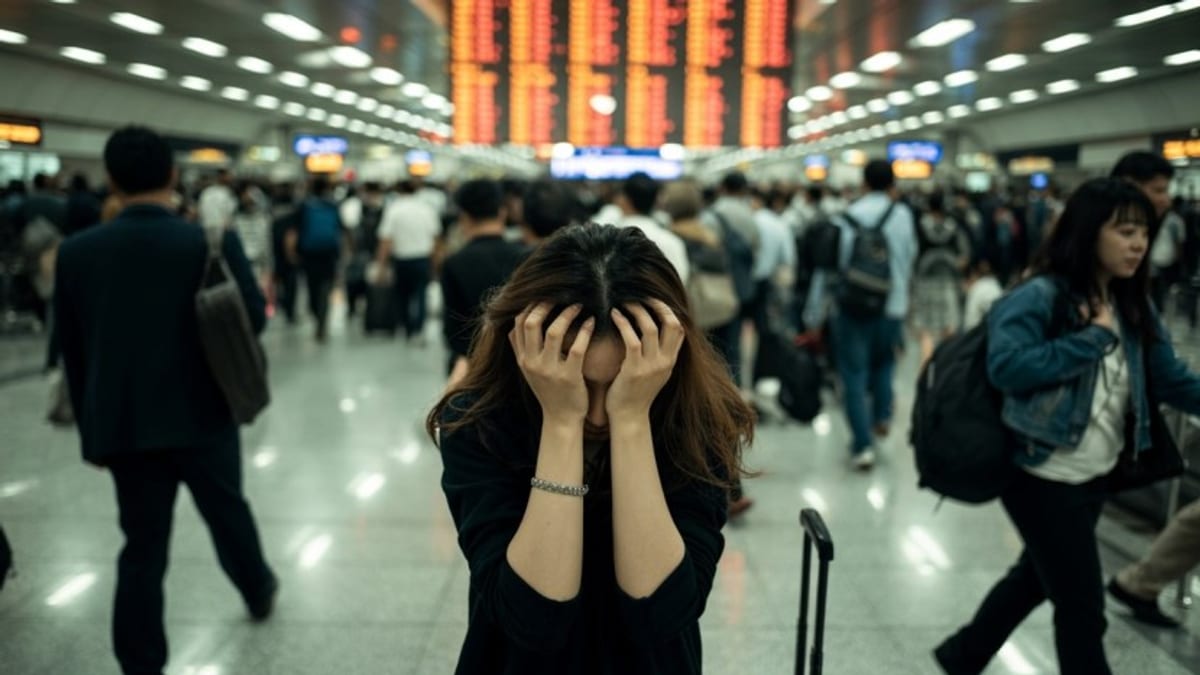
Disruptions Spread Across Northeast Asia’s Busiest Corridors
Aggregated flight-status boards and tracking platforms on May 18 indicate that disruption remains elevated on key Northeast Asia routes connecting mainland China, Japan and South Korea, with cancellations and rolling delays clustering around morning and evening banks of departures. The pattern follows several days of unstable operations in the region, where congestion and tight aircraft rotations have left little margin to absorb schedule changes.
At Beijing Capital, live departure and arrival boards showed a mix of delayed, cancelled and on-time services in the afternoon local time, including a China Eastern flight to Shanghai listed as significantly delayed and several Air China domestic services marked as cancelled. Publicly available data suggests that even limited schedule changes at such a large hub can quickly cascade across already full networks, forcing aircraft and crews to miss planned onward connections.
Shanghai Pudong, a key international gateway for both Air China and China Eastern, has been at the center of the latest turbulence on China–Japan routes. Real-time trackers on Monday showed selected China Eastern and Air China services between Shanghai and Tokyo either cancelled outright or operating off-schedule, reinforcing reports from recent weeks of passengers receiving short-notice changes on China–Japan itineraries.
In South Korea, Seoul Incheon is seeing knock-on effects rather than the highest volume of cancellations, according to online tracking snapshots. However, disruptions on services from Chinese coastal cities and Japanese gateways into Incheon are adding to the overall picture of strain across Northeast Asian skies.
China–Japan Routes Under Intensifying Strain
Routes between Chinese cities and Japan continue to experience some of the sharpest pressure. Flight-status histories on several China Eastern and Air China services between Shanghai and Tokyo show significant delays in recent days, including instances of arrivals into Tokyo Narita approaching 19 hours behind schedule. On May 18, a China Eastern-operated Shanghai to Tokyo Narita service listed on Trip.com was flagged as cancelled, underscoring that the instability has not fully eased.
Passenger accounts on travel forums over recent weeks describe a pattern of quiet or late-notice cancellations on Chinese carriers serving Japan, often affecting connections via Shanghai or Beijing. Discussions frequently mention Air China and China Eastern flights to and from Tokyo and Osaka being removed or adjusted close to departure, with some travelers reporting that outbound legs were cancelled while return segments initially remained in place, complicating rebooking decisions.
Japan’s full-service carriers are also under visible strain. Operational summaries and passenger-rights analyses published in mid-May note that ANA and Japan Airlines rank among the Asian airlines currently managing above-normal disruption levels across their networks. While many of their services between Tokyo and major regional hubs are still operating, tighter turnarounds, busy holiday traffic and aircraft allocation shifts after earlier schedule changes in China appear to be pushing on-time performance lower.
The combination of strong demand for Japan, complex bilateral traffic rights and ongoing adjustments by Chinese airlines to their international portfolios is leaving little slack on these routes. When a single rotation between Shanghai and Tokyo is cancelled or heavily delayed, knock-on effects can ripple into late-night departures, early-morning returns and beyond to Southeast Asia and long-haul connections.
Singapore, Hong Kong and Incheon Feel Knock-On Effects
Further south, hub airports in Singapore and Hong Kong are increasingly entangled in the disruption pattern even when local weather conditions are stable. Passenger-rights monitors reported earlier in May that Singapore Changi and Hong Kong International found themselves among the most affected airports in Asia on certain days, with several thousand combined delays and cancellations across carriers using the hubs for regional and long-haul connections.
Singular cancellations on China-bound and Japan-bound services from Singapore have been noted in live data feeds and traveler reports, particularly on itineraries involving a change of aircraft in Shanghai, Beijing or Tokyo. When upstream flights on those corridors are delayed or cancelled, connecting passengers in Southeast Asia can find themselves stranded or rebooked via indirect routings that add many hours to already long journeys.
Hong Kong, meanwhile, remains a vital bridge between mainland China, Northeast Asia and global markets. Publicly available aviation timetables show heavy schedules linking Hong Kong with Shanghai Pudong, Beijing and multiple Japanese cities. When mainland operations wobble, Hong Kong’s banks of departures and arrivals are quickly affected, filling limited spare capacity on alternative flights and limiting options for last-minute re-routing, especially during peak evening periods.
At Seoul Incheon, disruption is more diffuse but still significant for travelers. With frequent services to and from Chinese coastal cities and Japanese gateways, any structural issues on those feeder routes can disrupt carefully timed connections through Incheon. Recent commentary from frequent flyers highlights a rise in last-minute schedule adjustments on China–Korea legs, which in turn jeopardize onward flights to North America, Europe and Southeast Asia.
Multiple Causes Behind the Latest Wave of Chaos
While no single trigger fully explains the May 18 pattern, several overlapping factors appear to be driving the latest wave of cancellations and delays. Aviation-focused consumer advocates point to continuing aircraft and crew shortages at some Asian carriers, a legacy of the uneven restart of international flying after the pandemic, combined with aggressive capacity additions on popular routes that have left schedules finely balanced.
Operational reports suggest that rotation issues in China, where aircraft and crews must cover dense domestic and regional networks, remain a particular pressure point. When one leg in a rotation encounters a long delay, subsequent flights may also depart late or be cancelled, particularly where overnight maintenance or crew rest windows cannot be adjusted at short notice. In busy hubs such as Shanghai Pudong and Beijing Capital, small disruptions can therefore generate outsized impacts on the overall schedule.
Aviation data services have also highlighted the role of airspace congestion and evolving geopolitical constraints, especially on long-haul services between Asia, Europe and the Middle East that overfly sensitive regions. Re-routings and revised flight plans can place additional pressure on ground operations at Asian hubs, tightening turnaround windows and limiting flexibility when irregular operations occur on shorter regional sectors.
In addition, seasonal weather patterns are beginning to shift as the region moves toward the summer storm period. While the current wave of disruption appears primarily linked to operational and scheduling factors, even modest weather-related flow restrictions at one hub can exacerbate existing delays, particularly late in the day when recovery options are already limited.
Passengers Face Long Queues, Missed Connections and Limited Options
For travelers caught in Monday’s disruptions, the impact has been immediate and often costly. Social media posts and forum discussions from recent days describe long queues at service counters, difficulty reaching call centers and a lack of clear information when flights on Air China, China Eastern, ANA and Japan Airlines are delayed or cancelled close to departure time.
Passengers on multi-leg itineraries involving hubs such as Beijing, Shanghai, Tokyo, Singapore, Hong Kong and Incheon report missed connections to onward flights in Europe, North America and Oceania. In some cases, travelers have resorted to buying last-minute alternative tickets on different airlines when rebooking options offered through the original carrier or booking platform were limited or required waits of one or more days.
Consumer-rights organizations note that, depending on the route and the legal framework that applies, some passengers may be eligible for compensation or reimbursement when disruptions are linked to internal airline operations rather than extraordinary circumstances. However, navigating these rules can be complex, particularly when tickets involve multiple carriers, codeshares or flights departing from and arriving in different jurisdictions.
With demand for international travel across Asia still robust and peak summer schedules approaching, operational data and recent experience suggest that further bouts of disruption are likely in the coming weeks. Travelers planning to transit major hubs in Beijing, Shanghai, Tokyo, Singapore, Hong Kong and Seoul are being urged by publicly available advisories and travel forums to build in longer connection times, monitor flight status closely and prepare contingency plans in case the region’s air travel chaos intensifies again.