


More news on this day
Air travel across Asia faced fresh disruption this weekend as operational data showed 3,940 flight delays and 141 cancellations affecting services in and out of Singapore and several major regional hubs, stranding and rerouting hundreds of travelers at the height of the late‑August travel period.
Get the latest news straight to your inbox!
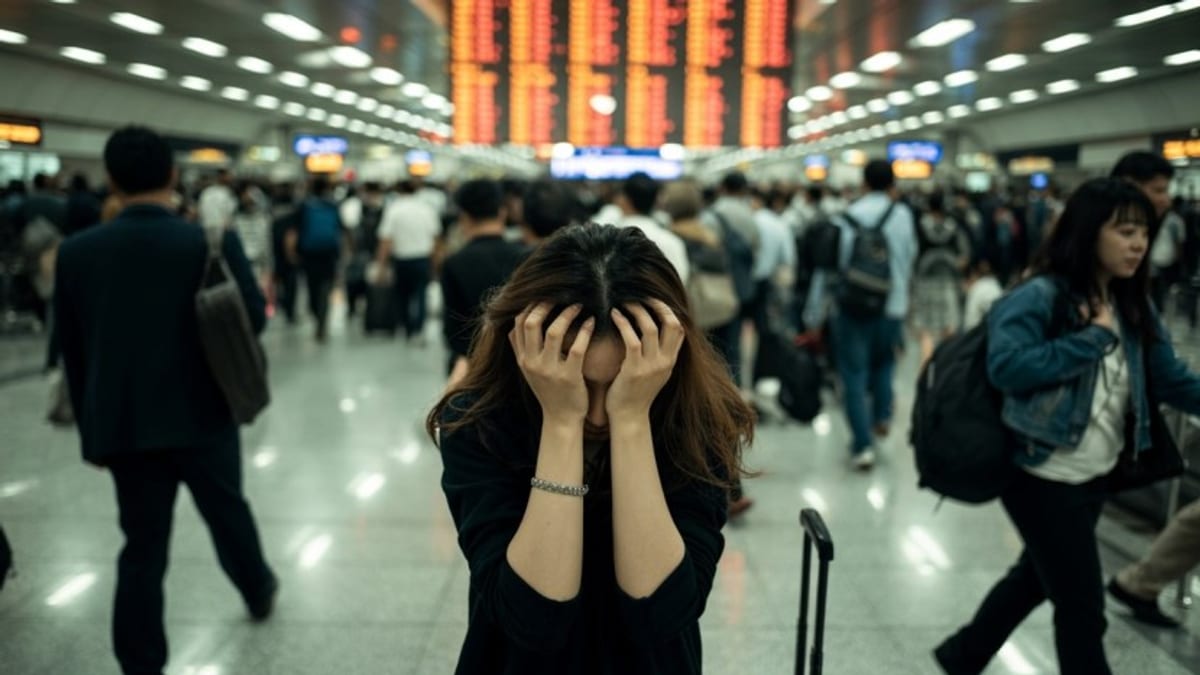
Widespread Operational Strain Across Asian Hubs
The latest disruption unfolded on August 29, 2026, as real time monitoring platforms tracking operations at Singapore Changi and other major airports in Southeast and East Asia recorded a spike in late running and disrupted flights. Aggregated figures from multiple trackers pointed to 3,940 delays and 141 outright cancellations across the wider Asia region, with Singapore among the most affected hubs.
Publicly available airport boards for Singapore Changi on Saturday showed a mix of on time departures alongside a long list of late flights, schedule changes and cancellations across both regional and long haul services. Data collated by services such as Airportia and Departra highlighted rolling delays throughout the day, with disruption visible across morning, afternoon and evening peak periods rather than confined to a single weather or operational window.
Changi Airport Group’s most recent traffic statistics underscore how sensitive the hub has become to even short lived operational shocks. The airport handled more than 31,000 commercial aircraft movements in July 2026 alone, close to pre pandemic levels, meaning that any spike in disruption can quickly cascade through a tightly timed schedule of departures and arrivals.
Singapore Changi: Busy Hub Feels the Ripple Effects
Singapore’s position as a primary transfer point between Southeast Asia, North Asia, Europe and North America meant that the latest wave of delays and cancellations was felt not only by local origin and destination passengers but also by large numbers of connecting travelers. Live data from Changi’s departure and arrival boards on August 29 showed schedule changes on a range of airlines, from regional low cost carriers to full service operators.
Flight tracking pages for individual services into and out of Singapore illustrate how delays built over the course of the day. Some flights recorded relatively modest schedule slips of 15 to 30 minutes, while others saw more substantial pushbacks or were removed from the schedule entirely and tagged as canceled. The pattern is consistent with knock on effects from earlier delays, tight aircraft rotations and crews reaching duty limits.
Changi’s own published figures, updated in late August 2026, show that aircraft movements this year are tracking broadly in line with 2019 while passenger volumes continue to recover. That backdrop has left little slack in the system when issues arise, especially around weekends and holiday peaks when seat factors are high and alternative rebooking options are limited.
Regional Carriers and Routes Caught Up in Disruption
The impact of the day’s disruption extended well beyond Singapore itself. Flight status pages for routes linking Changi with major regional destinations such as Manila, Cebu, Shanghai and Bangkok showed a combination of delayed departures, revised arrival times and equipment changes. In some cases, flights that typically depart in tightly spaced daily patterns experienced irregular gaps or last minute schedule adjustments.
Services operated by Southeast Asian and North Asian carriers were among those showing delays of varying lengths on Saturday. Live trackers for Singapore based airlines displayed a mix of flights running close to schedule alongside others departing late or arriving behind plan, reflecting the uneven nature of disruptions when a hub is operating near capacity.
Industry watchers note that regional traffic patterns in 2026 have been shaped by rapid capacity redeployments, including the temporary suspension of some India Singapore services and seasonal adjustments across North Asia. These changes can leave route networks more vulnerable when aircraft or crews are not available to cover for irregular operations on busy days.
Weather, Congestion and Tight Turnarounds Under Scrutiny
While there was no single publicly identified cause behind the exact tally of 3,940 delays and 141 cancellations, aviation data from the day points to a familiar mix of contributing factors. Weather variability across Asia, including localized storms around coastal hubs, can trigger flow control measures and force aircraft to hold or divert, quickly backing up departure banks elsewhere.
Congestion at high volume airports also plays a role. Singapore’s own movement statistics show that the hub is processing more than 30,000 takeoffs and landings a month, leaving limited margin for extended ground holds or air traffic metering before schedules begin to unravel. When flights depart late from one city, the delay can follow the aircraft through multiple subsequent rotations.
Operational experts frequently highlight tight aircraft turnarounds and complex crew duty patterns as additional stress points. When early morning flights run behind schedule, the effect can cascade across the day, leaving evening services particularly exposed. On August 29, trackers covering late night departures from Singapore showed several aircraft leaving later than planned, a typical sign that delays had accumulated over multiple earlier legs.
What Travelers Experienced on the Ground
For passengers, the statistics translated into extended waits at gates, missed connections and the need to rebook overnight stays or alternative routings. Airport information boards at Changi and other Asian gateways listed a growing number of flights as delayed or canceled through the afternoon and evening, leaving travelers reliant on airline apps and third party trackers for the latest estimates.
Consumer facing platforms that monitor delays and cancellations reported elevated traffic from users checking flight status and seeking information on their rights when services do not operate as planned. Travel advisory pages emphasized the importance of monitoring bookings closely, arriving early at the airport and staying in contact with airlines or travel agents when disruption levels are high.
With Asia’s aviation recovery continuing at pace and major hubs operating near pre pandemic volumes, analysts suggest that travelers should expect occasional days of severe disruption, particularly around weekends and holiday peaks. The figures logged on August 29 illustrate how quickly routine operational pressures can swell into thousands of delays and more than a hundred cancellations across a region as interconnected as Asia.
https://www.changiairport.com/en/corporate/about-us/traffic-statistics.html
https://www.airportia.com/singapore/singapore-changi-international-airport/
https://departra.com/departures/singapore-changi-airport-sin