


More news on this day
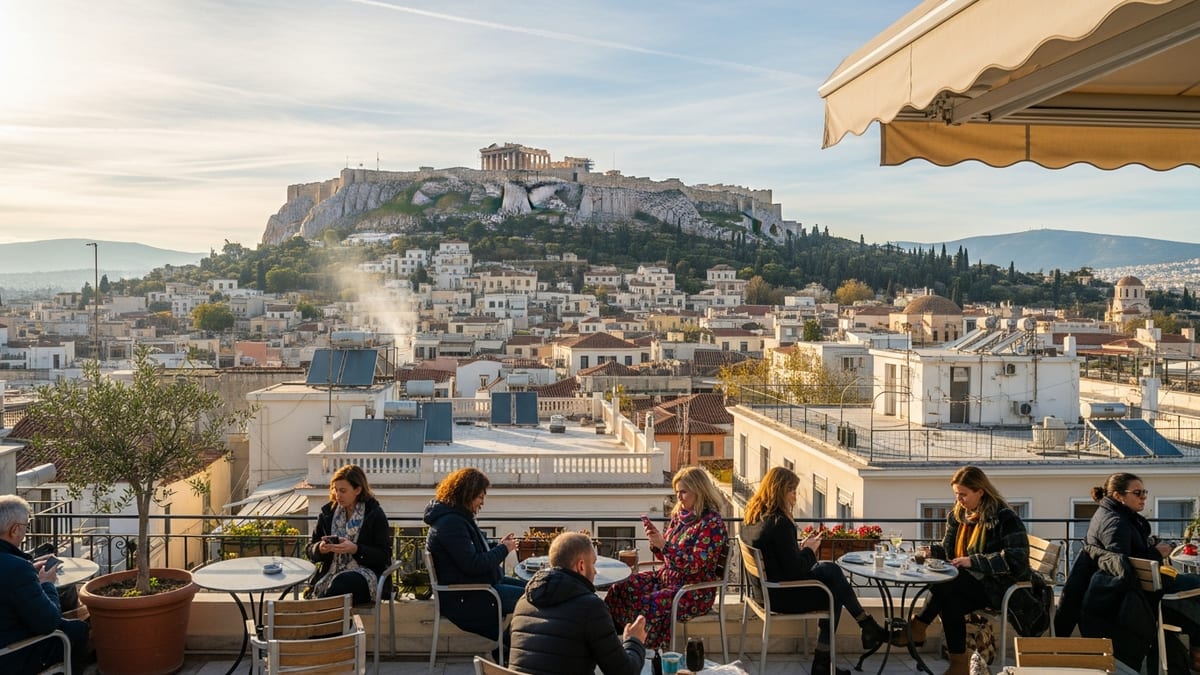
Athens is experiencing one of its strongest tourism surges on record, with international arrivals, overnight stays and travel receipts all climbing, even as gaps in transport, urban services and housing reveal how hard it is for the Greek capital to keep pace with demand.
Get the latest news straight to your inbox!
Record Visitor Numbers and Rising Spending
Greece has set repeated tourism records in the past two years, and Athens is at the center of that momentum. Nationally, Bank of Greece data for 2024 show travel receipts exceeding 21 billion euros, up on already high 2023 levels, while more recent industry analysis indicates that tourism revenue continued to climb in 2025 along with international arrivals. Sector research published in early 2026 points to inbound visitor numbers growing by around 5 to 6 percent year on year and travel income rising by close to 9 to 11 percent, underscoring a shift toward higher per-visitor spending.
The capital has mirrored and, in some cases, outpaced this trend. Passenger traffic at Athens International Airport hit record levels in 2024, and local tourism surveys report that the city welcomed close to 8 million foreign visitors that year, roughly a 12 percent increase on 2023 and well above pre-pandemic volumes. Analysts describe Athens as a year-round city break hub rather than a purely summer destination, which means the city now absorbs sustained pressure from tourism over more months of the year.
New data circulated by Greek tourism research bodies in 2025 and early 2026 indicate that urban destinations such as Athens and the wider Attica region collected a growing share of the country’s tourism revenue, helped by strong demand from the United States, the United Kingdom and other high-spending European markets. Reports highlight that spending per visitor has risen significantly compared to the immediate post-pandemic period, which has amplified the economic importance of each additional arrival.
Industry observers note that the city’s tourism base has become more diversified. Alongside classic cultural sightseeing around the Acropolis, visitors are increasingly drawn by gastronomy, nightlife and short-hop trips to nearby islands, creating a dense ecosystem of hotels, short-term rentals, restaurants and tour operators concentrated in central neighborhoods.
Economic Upside for Athens and Local Businesses
The surge in visitor numbers and spending is providing a powerful boost to the urban economy of Athens. National and international studies on the Greek tourism sector underline its role as one of the country’s main growth engines, and the capital is a major gateway for this income. Higher travel receipts translate into more turnover for hotels, food and beverage businesses, cultural venues and transport providers that are heavily clustered in and around the city.
Recent briefing papers from tourism research institutes and European policy platforms point to the Attica region, which includes Athens, as one of the prime beneficiaries of Greece’s tourism upswing, both in visitor arrivals and in receipts per stay. City hotels have seen improved occupancy and room rates, while a growing supply of boutique properties and renovated historic buildings reflects investor confidence in continued demand.
At the same time, official economic statistics and independent analyses show that tourism-linked activity supports a wide range of secondary jobs in construction, retail, logistics and creative services. Renovation of apartments for visitor use, expansion of food markets and growth in cultural programming around major archaeological sites all feed into this extended value chain. For many small businesses concentrated in central districts, the influx of tourists has been crucial in offsetting the lingering effects of Greece’s long financial crisis and the pandemic.
However, experts also stress that this dependency on tourism makes Athens vulnerable to global shocks and seasonal imbalances. Policy papers from international organizations examining the economic impact of tourism in Greece warn that overreliance on visitor spending can magnify downturns and complicate long-term urban planning if not paired with investment in infrastructure and services.
Transport, Cleanliness and Crowding Under Strain
While headline numbers are positive, the rapid rise in tourism has exposed persistent service challenges across Athens. Local transport watchdogs and city-focused media have documented recurring problems with public transit, including overcrowded metro and bus lines during peak visitor seasons, service disruptions and limited capacity on routes linking key archaeological sites and popular neighborhoods. Commentaries note that these strains affect residents and tourists alike, especially during summer heatwaves.
City-focused studies on “tourism fragility” in Athens describe rising pressure on urban infrastructure, including waste management and public spaces. Data compiled between 2021 and 2023 indicate that waste volumes increased both in traditional high season months and during the rest of the year, suggesting that the shift toward city breaks and off-season travel is now stretching municipal services more evenly across the calendar. Observers argue that this continuous load makes it harder for the city to “recover” between peaks.
Visitor feedback shared in travel forums and surveys frequently praises Athens’ cultural wealth and hospitality but notes issues such as litter, graffiti, uneven pavement conditions and limited shade or seating near major attractions. Combined with heavy traffic and air quality concerns on busy days, these factors can detract from the overall visitor experience and highlight the gap between the city’s growing international profile and the current state of some basic services.
Access and inclusivity have also come under scrutiny. Recent online testimonies, including from travelers with mobility challenges, describe difficulties in navigating certain heritage sites in and around Athens, pointing to steep approaches, inconsistent information and limited on-the-ground support. These reports suggest that investment in accessibility and wayfinding has not kept pace with the rising and increasingly diverse visitor base.
Housing Pressures and Community Concerns
Beyond visible service issues, Athens is grappling with how tourism intersects with housing and neighborhood life. Public debate in Greece has intensified over the role of short-term rentals in pushing up rents and altering the character of central districts. While comprehensive, citywide data remain complex, multiple reports and analyses highlight how platforms offering entire apartments for visitors have expanded rapidly in areas close to the historic center, sometimes outpacing traditional hotel capacity.
Commentaries from local analysts and urban researchers suggest that this shift has encouraged speculative investment in residential buildings, reducing the stock available for long-term tenants and contributing to affordability concerns for residents. Online discussions among Athenians frequently describe a sense that parts of the city are turning into de facto tourist enclaves, with everyday services being replaced by souvenir shops, bars and short-stay accommodation.
City leaders and national authorities have begun to explore regulatory responses, including restrictions or registration requirements for short-term rentals in densely populated areas. Measures under discussion or partial implementation range from caps on the number of days a property can be rented to zoning rules and higher taxation on tourist accommodation. According to recent coverage in Greek and international media, these debates mirror broader European efforts to balance the economic benefits of city tourism with the need to preserve liveable neighborhoods.
In parallel, concerns about social cohesion and anti-tourist sentiment have emerged in some districts. Online forums and commentary note that while many residents depend on tourism-related income, others worry about noise, congestion and the loss of local identity. Observers stress that these tensions are not unique to Athens but that the city’s dense historic core and limited housing stock can magnify the impact of sudden spikes in visitors.
How Athens Is Responding and What Travelers Should Expect
Authorities at municipal and national level, along with industry bodies, are attempting to adapt Athens’ tourism model to this new reality. Strategic documents from Greek tourism organizations emphasize goals such as dispersing visitor flows beyond the most heavily trafficked sites, promoting lesser-known neighborhoods and nearby regions, and encouraging travel outside peak summer months. The aim is to reduce pressure on central Athens while still capitalizing on strong global demand.
Investment plans outlined in policy reports and media coverage include upgrades to public transport infrastructure, digital ticketing systems for archaeological sites and improvements to pedestrian routes linking major attractions. There is also a growing focus on sustainability metrics, such as monitoring waste generation, water use and emissions tied to tourism, in order to guide decisions on carrying capacity and future development.
For travelers, the current situation means that Athens offers more cultural venues, dining options and accommodation choices than ever, but also that planning ahead is essential. Visitors are likely to encounter busy conditions at marquee sites such as the Acropolis during peak hours, crowded public transport at certain times of day and occasional service disruptions, especially in the hottest months. Advance booking of tickets, early-morning or late-afternoon visits and flexibility in using alternative routes or neighborhoods can help ease the experience.
Analysts argue that the next phase for Athens will depend on whether investment in infrastructure, housing policies and urban management can catch up with the pace of tourism growth. If successful, the city could turn its current tourism boom into a more resilient, higher-quality model that benefits both residents and visitors. If not, the pressures now visible in public transport, cleanliness and affordability risk undermining the very appeal that has made Athens one of Europe’s standout city destinations.