


More news on this day
Flight operations at Hartsfield–Jackson Atlanta International Airport faced fresh disruption on Friday, with at least 15 cancellations and more than 100 delays reported across multiple carriers, affecting major routes throughout the United States, Canada, Mexico, and wider international networks.
Get the latest news straight to your inbox!
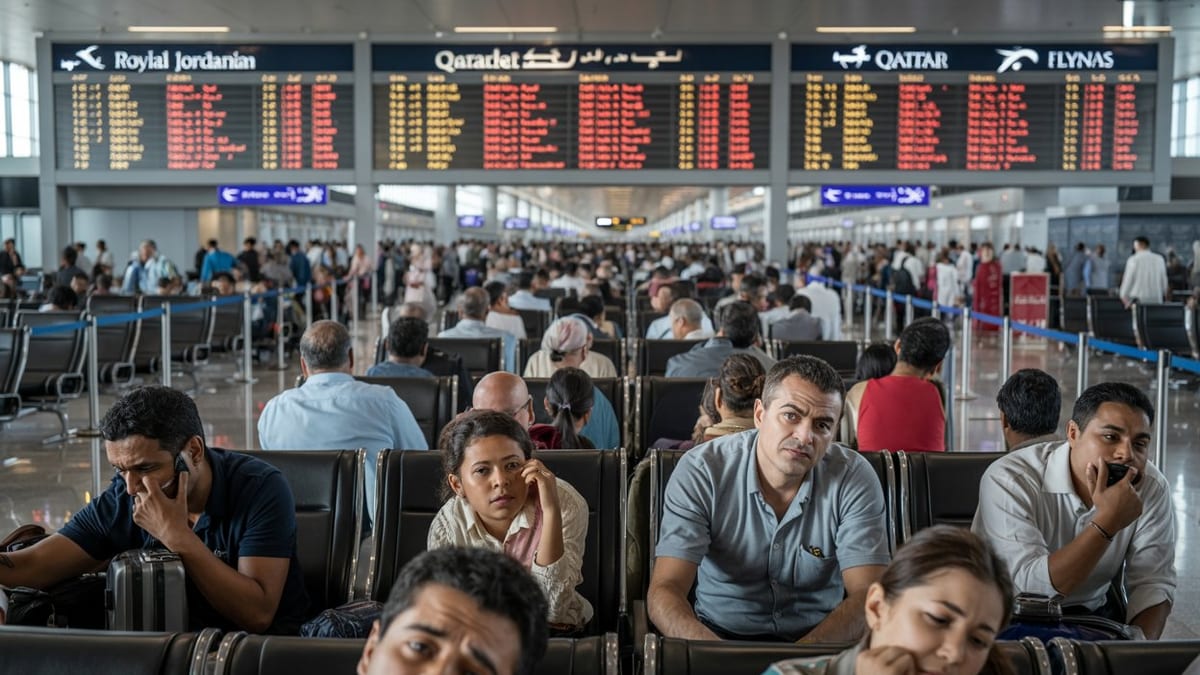
Carriers Across Alliances Hit by Cancellations
Publicly available flight tracking data shows that disruptions at the Atlanta hub are spread across a broad mix of airlines, including American Airlines, Endeavor Air, Southwest, Republic Airways, Frontier, and several other regional and low cost operators. While no single carrier accounts for all of the cancellations, these airlines collectively represent a significant share of departures from Hartsfield–Jackson, amplifying the knock-on effect of each grounded flight.
The suspended services include domestic links to major business centers and leisure destinations, as well as cross-border flights tying Atlanta to Canadian and Mexican gateways. Even where flights have not been formally canceled, extended delays are creating rolling backlogs, with later departures from Atlanta in turn arriving late into their next destination and placing further pressure on evening schedules.
Atlanta’s role as a central connecting point in North America means that cancellations there rarely remain a local issue. Passengers traveling on itineraries that do not begin or end in Georgia are being caught out when their connecting services through Hartsfield–Jackson fail to depart on time or are removed from the schedule entirely.
Network Ripple Effects Across the Continent
Airline operations data and previous disruption patterns at Atlanta indicate that even a relatively small cluster of cancellations can quickly ripple across the wider network. Suspended flights and extended delays on routes between Atlanta and major hubs such as New York, Chicago, Dallas, Toronto, Montreal, Mexico City, and key resort destinations can lead to missed connections and aircraft being out of position for later rotations.
Transborder links to Canada and Mexico are particularly vulnerable when disruptions occur at a primary connecting hub. Many itineraries between second tier cities rely on a change of planes in Atlanta, so any interruption on the first domestic segment can sever access to international departures. This can force travelers onto overnight rebookings or alternate routings through competing hubs in Dallas, Miami, Houston, or Chicago, depending on available capacity.
In addition, delays at Hartsfield–Jackson can complicate long haul operations to Europe and other overseas markets when aircraft or crew are scheduled to route through Atlanta earlier in the day. When short and medium haul services are held at the gate or canceled outright, carriers may be left with fewer options to cover later departures from other airports on their network.
Weather, Congestion, and Operational Strain
Published coverage and federal aviation system updates point to a combination of weather related constraints, congestion in the national airspace system, and airline specific operational challenges as contributing factors behind the latest round of disruptions. When thunderstorms or low visibility affect the Atlanta area, air traffic control programs can limit the rate at which flights are allowed to land or depart, resulting in ground delays and schedule compression.
Hartsfield–Jackson routinely ranks among the world’s busiest airports by passenger volume and aircraft movements, so even modest reductions in its hourly arrival or departure capacity can have outsized consequences. Airlines operating tight turnarounds with high aircraft utilization may have little room to absorb unexpected gaps in the schedule, especially during peak summer travel periods when planes are already heavily booked.
Operational strain has been a recurring theme in recent travel seasons, with carriers periodically facing shortages of flight crews, maintenance constraints, and challenges in repositioning aircraft after weather events. When several of these pressures converge on a single day, airlines can be forced to preemptively cut flights to stabilize the remainder of their schedules.
Impact on Travelers Passing Through Atlanta
For passengers booked on affected American Airlines, Endeavor Air, Southwest, Republic, Frontier, and other services, the immediate impact is being felt in lengthening wait times at gates, rebooking counters, and customer service channels. Travel forums and social media posts from recent disruption days at Atlanta highlight a pattern of rolling, hour by hour delays that eventually culminate in cancellations for some flights.
Travelers with tight connections in Atlanta, particularly those headed to Canadian and Mexican cities or onward long haul destinations, are facing heightened risk of misconnecting. Many are being advised by airline notifications and travel advisories to allow additional time for connections, to monitor flight status frequently on official channels, and to be prepared for potential overnight stays if itineraries cannot be reprotected the same day.
Families traveling for summer holidays and business travelers on fixed schedules are among those most affected when alternative routings are limited. With aircraft already running close to full across many North American routes, last minute rebookings can be difficult to secure, pushing some passengers to consider rail or rental car options for shorter regional journeys when feasible.
What Passengers Can Do Now
Given the continuing potential for weather and congestion related disruptions at major hubs like Atlanta, travel professionals note several practical steps that can help reduce the impact on individual trips. Passengers are encouraged to check their flight status repeatedly on the day of departure, use airline apps or online tools to manage same day changes where permitted, and consider earlier flights in the day when possible, as schedules typically become more vulnerable to knock on delays later in the evening.
Those connecting through Atlanta to international destinations across the United States, Canada, Mexico, and beyond may wish to build in longer layovers than the minimum connection times suggest, particularly during storm prone periods. Packing essential items and a change of clothes in carry on luggage, along with any necessary medication and chargers, can also make unexpected airport stays more manageable if disruptions extend into the night.
Travelers who experience cancellations or lengthy delays are generally advised to retain documentation of their disrupted flights, as this can support later requests for refunds or credits under each airline’s published policies. While the precise number of affected flights at Hartsfield–Jackson fluctuates throughout the day, the latest disruptions underscore the degree to which conditions at a single hub can reverberate across the broader North American air travel system.