


More news on this day
Japan has lowered its travel advisory for seven Middle Eastern countries, signaling a modest improvement in the regional security outlook and opening the door for a gradual return of Japanese business and leisure travel to the Gulf and Levant.
Get the latest news straight to your inbox!
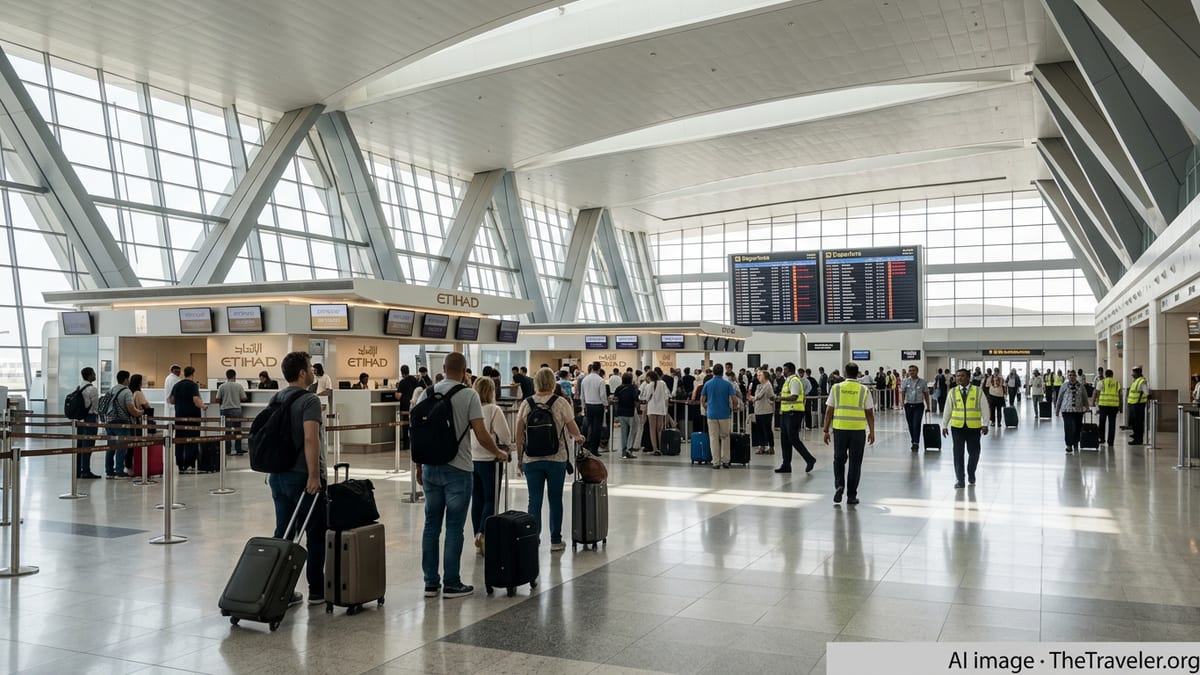
Advisory Shift Follows De‑escalation in Regional Tensions
According to recent updates from Japan’s Ministry of Foreign Affairs and domestic coverage, Tokyo has eased its travel advisory levels for Oman, Qatar, Kuwait, Bahrain, Jordan, the United Arab Emirates and Saudi Arabia. The move follows a period of heightened concern earlier this year, when conflict involving Iran raised the perceived risks for Japanese travelers and companies operating in the region.
Publicly available information indicates that the affected destinations had previously been subject to stricter guidance urging Japanese nationals to defer or reconsider nonessential travel. The latest revision brings these countries back to a lower alert tier, reflecting a reduction in immediate security threats after a ceasefire framework between the United States and Iran and related de‑escalation steps in the wider Middle East.
Japanese media reports note that the government is maintaining close watch on the situation, but the downgrade is being interpreted domestically as a cautious acknowledgment that the most acute phase of the crisis has passed. Officials continue to advise travelers to remain informed about local developments and airline operations, given that the broader regional environment is still described as volatile.
What the New Guidance Means for Japanese Travelers
The easing of the advisory does not translate into a blanket declaration of safety, but it does mark a meaningful change for individuals and companies planning trips to the seven countries. Under the lower advisory level, travel is no longer broadly discouraged, and companies are expected to resume more regular rotations of staff, inspections and project visits that had been postponed during the peak of tensions.
For individual travelers, the change is likely to make it easier to obtain corporate or institutional approval for business journeys, and to secure travel insurance that had been restricted under the previous higher alert. Insurance providers sometimes limit coverage when governments advise against all or nonessential travel, so a downgrade can remove an important barrier to booking flights and hotels.
Travel experts in Japan are also pointing out that the updated guidance should be read in combination with airline policies and airport notices. Even with a lower advisory, flight schedules through key Middle Eastern hubs may continue to fluctuate as carriers recalibrate capacity and routings. Passengers connecting through places such as Doha, Dubai or Abu Dhabi are being encouraged by consumer advice columns to monitor their itineraries closely in the weeks ahead.
Potential Boost for Gulf Hubs and Corporate Travel
The adjusted stance is expected to be welcomed by Gulf carriers and regional tourism boards, for which Japan has been a steadily growing source market. Prior to the recent crisis, major Middle Eastern airlines had been expanding frequencies to Tokyo and Osaka, using their hubs as gateways linking Japan with Europe, Africa and South Asia.
Industry analyses suggest that corporate travel will likely recover first, particularly in energy, infrastructure, logistics and finance, where Japanese firms maintain long‑term partnerships with counterparts in the Gulf. Site visits, contract negotiations and technical inspections that were delayed in recent months are now more likely to be rescheduled.
Leisure demand could take longer to normalize, as Japanese holidaymakers tend to be cautious about destinations associated with instability. However, travel commentators in Japan note that interest in city breaks and stopover stays in places like Dubai and Doha had been rising before the latest tensions, and the easing of the advisory may help restart promotional campaigns targeting Japanese tourists.
Context within Broader International Travel Guidance
Japan’s decision to soften its warning comes as several Western governments reassess their own advisories for parts of the Middle East in response to recent diplomatic developments. Some European countries have already downgraded their alerts for selected Gulf states, while still highlighting ongoing security uncertainties and the possibility of sudden disruptions to air traffic.
Comparative travel advisory summaries published by risk consultancies show that major outbound markets are not moving in perfect alignment. While some have softened language for the Gulf and Jordan, others continue to recommend avoiding nonessential travel or maintaining a high degree of caution. Travelers are therefore being urged by travel industry bulletins to check the advice issued by both their country of residence and their destination.
For Japan, the latest adjustment also fits within a broader effort to balance security considerations with the need to support international business links and energy security. Government briefings in recent weeks have emphasized the importance of stable relations with oil‑producing partners, while still underscoring the need for careful risk management for citizens abroad.
Practical Considerations for Travelers Planning Middle East Trips
Japanese nationals considering travel to Oman, Qatar, Kuwait, Bahrain, Jordan, the United Arab Emirates or Saudi Arabia are being encouraged by local travel agencies and consumer media to carry out more detailed pre‑departure planning than they might have done before the recent crisis. Recommended steps include monitoring airline advisories, registering travel plans with relevant consular services, and checking local entry rules and curfews that may still be in place in certain areas.
Travel risk bulletins continue to highlight general precautions such as avoiding sensitive sites, staying clear of demonstrations and maintaining flexible itineraries that can accommodate schedule changes. Business travelers in particular are advised to coordinate closely with local partners on logistics outside major urban centers, where information may be slower to update.
While the easing of Japan’s advisory for the seven Middle Eastern countries signals a more optimistic outlook than earlier in the year, most observers caution that conditions can change quickly. For now, the shift is being viewed in Japan’s travel sector as a cautiously positive development that restores important connections between East Asia and key political and economic partners across the Gulf and Levant.