


More news on this day
Australian holidaymakers heading to Europe are being urged to factor in hours of extra waiting time at airports, as reports of long queues, missed connections and technical glitches mount under the European Union’s new Entry/Exit System.
Get the latest news straight to your inbox!
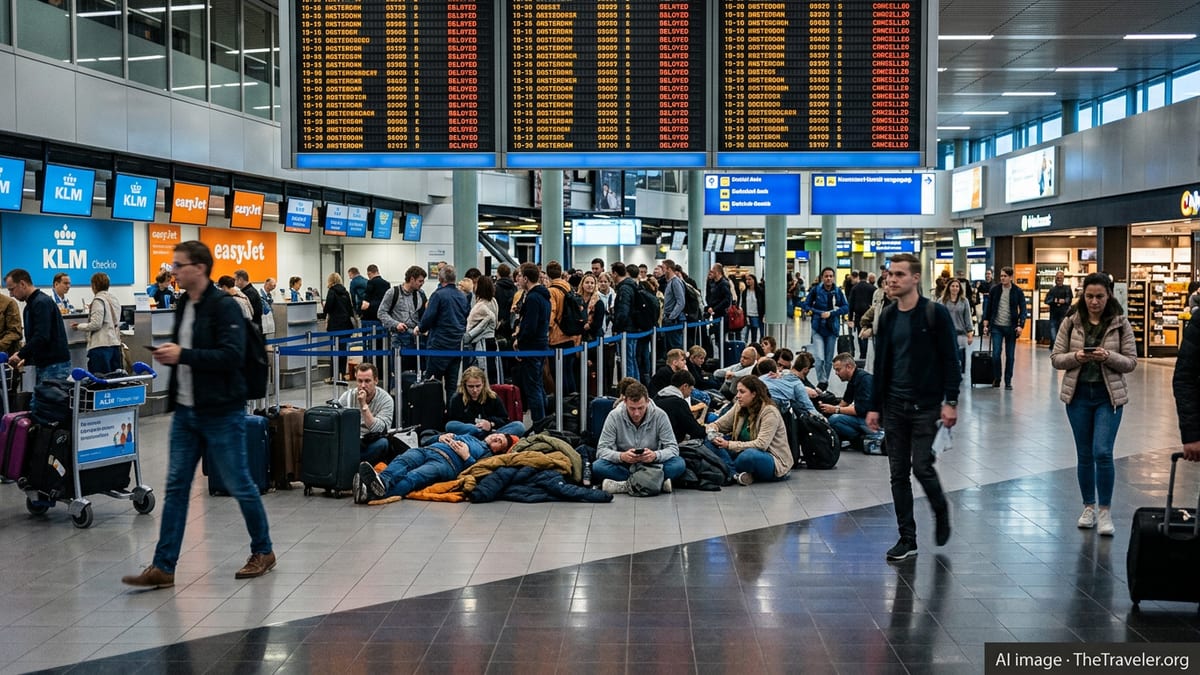
New border system blamed for hours-long queues
The European Union’s biometric Entry/Exit System, known as EES, is being rolled out across the Schengen Area and is reshaping the arrival experience for non-EU travellers, including Australians. The scheme records fingerprints, facial images and passport details for visitors from countries such as Australia, the United Kingdom and the United States.
Although EES is designed to tighten border control and replace passport stamps with a digital register, the introduction has been marked by slow processing times and patchy reliability at airport kiosks. Travel industry bulletins and European aviation bodies report that manual workarounds, malfunctioning equipment and unfamiliar procedures are significantly lengthening checks at many hubs.
Airports and airline groups in Europe have warned that, without additional flexibility and staffing, the system could result in waits of four hours or more during the busiest weeks of the northern summer. Some airports have already temporarily suspended biometric registration during peak surges in an effort to clear backlogs of arriving passengers.
For Australians, who typically reach Europe after flights lasting 20 hours or longer, the prospect of joining multi-hour queues immediately after landing has become a growing concern as peak travel season approaches.
Australian government alerts and traveller accounts
According to recent Smartraveller updates, the Australian government’s travel advice service is now explicitly warning that queues at some European airports may stretch to four to six hours for non-EU nationals. Publicly available guidance cites examples of travellers missing onward flights and being forced to rebook at their own expense after being stuck at border control.
The advisory urges Australians to allow generous buffers between connecting flights within Europe and to prepare for lengthy periods standing in line. Travellers are encouraged to carry water, basic snacks and any essential medication in their hand luggage, particularly if they are arriving with children, older relatives or passengers with mobility or health issues.
Australian media coverage has highlighted first-hand reports from passengers describing scenes of confusion at major European gateways, with some likening the situation to “chaos” as queues snake through terminal corridors. While conditions vary widely from airport to airport, accounts suggest that early-morning and late-evening arrival banks, when multiple long-haul flights land in quick succession, can be especially challenging.
These warnings are not confined to one country or carrier. Airlines flying between Australia and Europe, including those routing via hubs in the Middle East or Asia, are updating check-in announcements and pre-flight briefings to alert passengers to the possibility of delays on arrival at their final European destination.
European airports struggle to keep pace with demand
Across the continent, airport authorities and airline organisations have been calling for an urgent review of how EES is being implemented. Industry groups representing European airports and carriers have cautioned that processing times for each non-EU passenger have increased markedly under the new regime, creating bottlenecks at passport control where space and staffing are already stretched.
Airports in holiday hotspots such as Spain, Portugal, Italy and Greece, as well as key hubs in Belgium, France and Germany, have been singled out in several reports as facing particular strain during early phases of the rollout. Some operators have experimented with suspending biometric checks at peak times and reverting temporarily to traditional passport stamping to prevent queues from spilling into other parts of the terminal.
Low-cost and leisure-focused airlines have also raised concerns that long lines at border control are causing passengers to miss outbound and connecting flights, especially at regional airports where short turnaround times are built into schedules. Calls have grown for European institutions to grant more flexibility in the way EES thresholds are applied, at least until the technology and staffing levels are fully aligned with the volume of summer traffic.
Despite those appeals, European authorities remain committed publicly to the system, arguing that it will ultimately speed up checks for repeat visitors once initial registrations are completed. For now, however, the transition period is colliding with record demand for international travel, creating a difficult combination for ground staff and travellers alike.
What Aussie travellers can do before and during their trip
For Australian travellers planning a European holiday in the coming months, preparation is becoming as important at the border as it is when booking flights and accommodation. Travel agents and consumer advocates suggest building in far more time for border processes than in previous years, particularly when arranging tight connections or same-day onward journeys by rail or domestic flight.
Where possible, travellers are being urged to choose itineraries that allow several hours between landing in Europe and any connecting leg, rather than the minimum transfer times offered by some booking engines. Those booking separate tickets for intra-European flights are especially exposed if they misjudge the time needed to transit passport control.
Passengers are also encouraged to complete any airline or destination pre-registration requirements before departure, ensure passports are valid well beyond their travel dates, and keep printed copies of itineraries, hotel bookings and return flights readily accessible. Clear documentation can help reduce delays at secondary checks if border officers need to verify travel plans or length of stay.
On arrival, being mentally prepared for a slow-moving queue can ease some of the frustration. Comfortable clothing, supportive footwear and having essentials like water and a light snack within reach may make the experience less taxing, particularly for families and older travellers navigating crowded terminals after a long-haul flight.
Peak summer pressure still ahead
With the busiest weeks of the northern summer still to come, European aviation bodies are warning that current problems at passport control could intensify as holiday traffic surges. Forecasts suggest that July and August passenger numbers in many countries will meet or exceed pre-pandemic records, at the same time that EES is bedding in across a growing number of border checkpoints.
Some airports are racing to add more kiosks, hire additional staff and reconfigure queuing areas before numbers peak. However, those changes may only partially offset the increased processing times created by biometric capture and data entry for first-time registrations.
For Australians, the message from travel advisories and industry briefings is consistent: Europe remains open for tourism, but the journey from aircraft door to arrivals hall may be slower and more unpredictable than in previous years. Allowing extra time, building flexibility into itineraries and staying informed about conditions at planned entry points are emerging as key strategies for keeping a long-awaited European holiday from being overshadowed by airport gridlock.