


More news on this day
Travelers flying into Austin this Friday are being urged to brace for disruptions, with more than 100 flights showing delays as major construction projects squeeze capacity at Austin-Bergstrom International Airport and strain already busy terminal and roadway operations.
Get the latest news straight to your inbox!
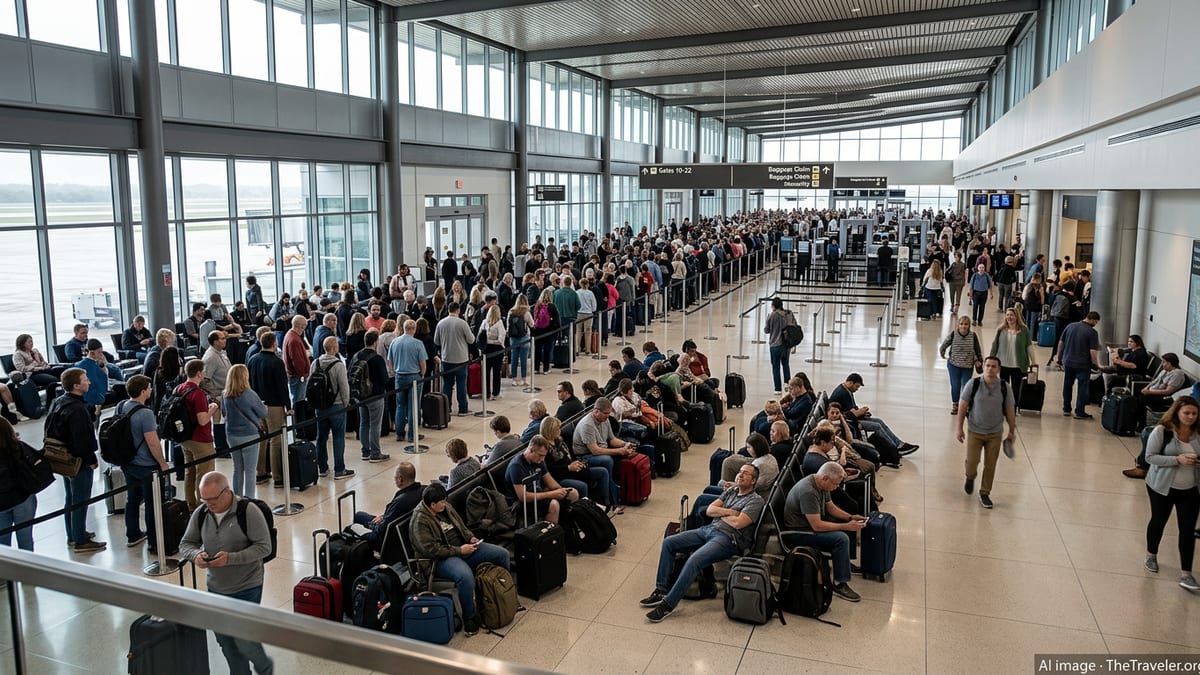
Construction and heavy traffic converge at AUS
Austin-Bergstrom International Airport is in the middle of a multi-year expansion program that is reshaping its main terminal, access roads and parking infrastructure. Branded as the Journey With AUS program, the work includes new gates, an expanded concourse and major upgrades around the Barbara Jordan Terminal aimed at accommodating record passenger volumes.
Recent construction activity has focused on the terminal’s atrium infill project and the long-running West Gate expansion, both of which add temporary walls, work zones and equipment in active passenger areas. Publicly available project summaries note that the terminal work is expected to continue through 2026, with periodic changes to walking routes, concessions access and gate hold rooms as work shifts between phases.
At the same time, construction around the airport’s main access road, Presidential Boulevard, is altering traffic patterns for drivers heading to and from the terminal. A temporary closure of the roadway’s return loop and earlier lane closures have pushed more vehicles through detours and garage exits, increasing the likelihood of congestion at peak travel times such as Friday mornings and afternoons.
This combination of heavy demand and constrained infrastructure means even routine operational hiccups can quickly ripple through the schedule. When aircraft or crews arrive late and gates are hard to turn quickly because of crowded ramp areas, departure banks can stack up with short, medium and occasionally long delays.
More than 100 delays as Friday peak builds
Live departure and arrival boards for Austin-Bergstrom show that Friday remains one of the airport’s busiest days, with dense clusters of flights in the early morning, midday and early evening. During recent Friday peaks, the cumulative impact of rolling delays has pushed the number of affected flights into triple digits, particularly when minor ground or weather issues coincide with construction-related bottlenecks.
Real-time status information from aviation tracking tools indicates that average airborne arrival delays at Austin have often hovered in the range of a few minutes on calmer days, but these numbers can mask a more uneven picture at specific times. When terminal gates turn slowly or inbound flights are held on the taxiways, outbound departures can wait for parking positions, and the delay count can climb quickly.
For travelers arriving this Friday, that can mean a mix of moderate waits sprinkled across the day and a heavier cluster of setbacks in the busiest departure waves. Short-haul routes to Texas and regional hubs are often used multiple times a day, so a delay on an early segment may cascade into later departures using the same aircraft, driving up the total number of affected flights without any single dramatic disruption.
Because individual flight delays vary widely by airline and destination, passengers connecting onward from Austin or relying on tight evening arrivals for events in the city may feel the impact most. Even when average delay times remain modest, the sheer number of flights affected can translate into crowded gate areas, longer lines for food and rebooking desks, and heavier competition for scarce seats on later departures.
Terminal upgrades reshape the passenger experience
The work inside the Barbara Jordan Terminal is designed to relieve precisely the kind of pinch travelers are experiencing now. Airport planning documents describe the atrium infill project as a way to add more space for security screening, check-in and passenger processing. When complete, the expanded area is expected to distribute crowds more evenly and reduce choke points at checkpoints and ticket counters.
The West Gate expansion, which has been visible to passengers since 2023, is adding concourse space and new boarding bridges at the far end of the existing terminal. The project ultimately creates additional gates and more room for passenger amenities, but in the short term it narrows some circulation paths and requires airlines to juggle gate assignments while work proceeds in a live operating environment.
Construction advisories emphasize that passengers may encounter temporary walls, scaffolding and overnight work as crews push to keep the footprint of active construction as contained as possible. Those changes can mean longer walks to certain gates, fewer waiting-area seats at busy times and occasional last-minute gate swaps when staging needs shift.
For Friday travelers, the practical effect is that the airport may feel more crowded and less flexible than its published gate and square-footage numbers suggest. Even when security screening times are within normal ranges, the combination of detours, crowded corridors and busy concessions can lengthen the overall journey from curb to seat.
Roadwork and parking changes slow curb-to-gate times
Outside the terminal, current construction on the Yellow Garage and adjustments to Presidential Boulevard’s traffic pattern are changing how drivers navigate the airport. Recent notices describe the temporary closure of the roadway’s return loop, which typically allows vehicles to recirculate quickly if they miss a turnoff or need to loop back to the terminal.
With the return loop closed and certain approach lanes periodically restricted, drivers are being directed to alternative routes such as Hotel Drive and modified exit paths from the existing garages. These changes can create unfamiliar traffic flows during peak arrival times and lengthen the time it takes to drop off or pick up passengers.
Travelers relying on rideshare or taxis should be prepared for drivers who are also adjusting to the new patterns, especially if they are not frequent visitors to the airport. Brief hesitations at lane splits, missed turnoffs and slow-moving congestion through construction zones can all add minutes to the journey, which can matter on Fridays when early morning and late afternoon departures are heavily booked.
Because curb access and garage exits are operating under temporary configurations, airport guidance continues to emphasize early arrival, particularly for those using standard security screening. Any backup on Presidential Boulevard can quickly spill back toward the highway during the busiest travel windows, further extending door-to-gate times.
How Friday flyers can reduce the risk of disruption
Given the current construction and the potential for more than 100 flights to face delays across a busy Friday, travelers heading to or through Austin-Bergstrom can take several practical steps to reduce the impact on their plans. The airport’s general advice is for domestic passengers using standard screening to arrive at least two and a half hours before departure, and many frequent users of the airport recommend adding additional buffer time on peak days.
Checking in online before leaving for the airport and monitoring airline apps or flight-tracking tools throughout the day can provide early warning of schedule changes. When delays begin to stack up across multiple flights, airlines may adjust departure times in stages, and passengers who receive early alerts often have better options for rerouting or standby.
Drivers should review the latest roadway and construction updates for Presidential Boulevard and the parking garages before setting out, particularly if they are unfamiliar with the current detours. Allowing extra time for potential backups at the terminal curb or toll booths can help keep security lines and boarding times achievable even when traffic is heavier than expected.
Inside the terminal, travelers with tight connections should pay close attention to gate assignments and walking times between concourse areas affected by the West Gate expansion. With construction reshaping parts of the building and more than 100 flights potentially shifting times throughout Friday, staying flexible and building in margin wherever possible remains the best strategy for a smoother trip through Austin’s busy airport.
Austin-Bergstrom International Airport construction updates