


More news on this day
Hundreds of flights across Australia and New Zealand have been delayed or cancelled, with new data showing 557 delays and 32 cancellations affecting services at major hubs including Melbourne, Sydney, Brisbane and Auckland and disrupting operations for Virgin Australia, Jetstar, Air New Zealand and several smaller carriers.
Get the latest news straight to your inbox!
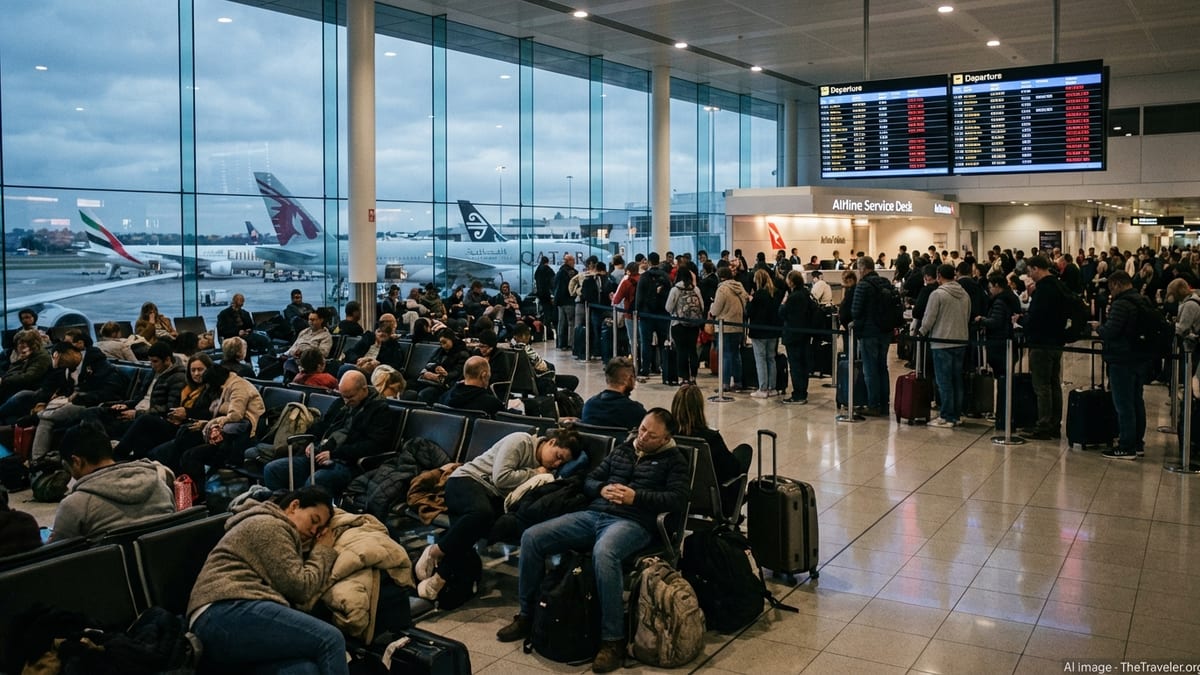
Major Hubs Across the Tasman Face Mounting Disruptions
Flight-tracking dashboards and airport schedules for 11 July indicate an unusually high level of disruption across the trans Tasman network, concentrated at the region’s busiest gateways. Melbourne, Sydney and Brisbane in Australia, together with Auckland and Wellington in New Zealand, show widespread knock-on impacts as aircraft and crew rotate through shared routes.
Across these airports a combined 557 services are reported as delayed, along with 32 outright cancellations, covering both domestic sectors and international trans Tasman links. The pattern spans early morning departures through to late evening flights, suggesting the disruption is not limited to a single weather cell or isolated technical problem but is instead compounding across the daily schedule.
Publicly available schedules from airlines and airports show cancellations on services such as Air New Zealand’s Melbourne to Queenstown NZ264 and selected departures from Wellington to Brisbane, Auckland, Melbourne and Sydney, alongside delays on popular east coast trunk routes. Together, these issues are affecting thousands of passengers moving between Australia and New Zealand at the height of the southern winter travel period.
While some individual routes continue to operate close to time, the overall picture is one of reduced reliability, with delays of 30 minutes or more now a common feature on several high-demand sectors linking the two countries.
Virgin Australia, Jetstar and Air New Zealand Among Most Affected
The latest disruption data highlights particular impacts on Virgin Australia, Jetstar and Air New Zealand, three of the key players on domestic and trans Tasman routes. These carriers operate dense schedules linking Melbourne, Sydney and Brisbane with Auckland, Wellington, Christchurch and Queenstown, leaving them especially exposed when aircraft or crew fall out of position.
Air New Zealand’s network is heavily focused on the Tasman and domestic New Zealand links, and cancellations such as the Melbourne to Queenstown NZ264 service on 11 July ripple quickly across connecting flights. Recent customer accounts and performance data also point to challenges on late evening and overnight services, where a single cancellation can strand passengers until the following day and remove an aircraft from early morning rotations.
Jetstar and Virgin Australia, which run extensive domestic networks on Australia’s east coast as well as services into Auckland and other New Zealand cities, are facing similar issues. When delays build up on Melbourne to Sydney or Brisbane to Sydney flights, this can in turn affect onward connections to New Zealand, as aircraft and crews arrive late or exceed duty limits.
These concentrated delays and cancellations come on top of previously announced schedule adjustments by several international carriers serving Australia and New Zealand, which have already trimmed some frequencies for the current off peak period. The result for passengers is less spare capacity in the system to absorb last minute disruptions.
Weather, Operations and Capacity Constraints Combine
Operational reports and recent official on time performance statistics from both countries suggest that a mix of factors is driving the latest spike in disruptions. Winter weather in southern Australia and New Zealand often leads to low visibility and crosswinds, forcing holding patterns, diversions or temporary ground stops at key airports such as Melbourne, Brisbane and Wellington.
At the same time, airlines are still operating with finely balanced fleets and crew rosters after several years of rapid demand recovery. Industry data released in recent months has highlighted pressure points around engineering availability, crew shortages and high aircraft utilisation, especially on busy weekends and holiday peaks. Under these conditions, a single technical issue or extended weather delay can quickly cascade through an airline’s network.
Capacity reductions announced earlier this year by some overseas carriers on routes into Australia and New Zealand have also reduced the number of alternative options for disrupted travelers. With fewer spare seats across the Tasman and on long haul connections beyond, rebooking passengers from a cancelled service can take longer and may involve overnight stays or extended layovers.
Analysts note that while the overall number of flights has continued to climb back toward pre pandemic levels, staffing, engineering and air traffic management systems are still being stretched by surging demand and more volatile weather patterns, particularly during the winter season.
Passengers Face Missed Connections and Long Rebooking Times
For passengers, the immediate impact of 557 delays and 32 cancellations is being felt in missed connections, extended airport waits and last minute itinerary changes. Trans Tasman travelers with onward long haul flights to North America, Asia or Europe are especially vulnerable, as even short delays on feeder flights from regional centers or across the Tasman can cause them to miss tightly timed departures.
Recent public accounts from travelers in both Australia and New Zealand describe late night cancellations leading to hotel stays, rebooking onto services one or two days later, and confusion over whether delays are caused by weather, engineering or staffing issues. In some cases, rescheduled flights have significantly altered travel plans, as airlines consolidate lightly loaded services or adjust rotations to get aircraft back on track.
Consumer guidance published by regulators and advocacy groups in both countries stresses that passenger entitlements vary depending on the cause of a delay or cancellation and whether the flight is domestic or international. Weather related events generally attract fewer entitlements than disruptions attributed to operational or engineering issues, but passengers are being encouraged to carefully check the conditions of carriage and any relevant national rules.
Given the current pattern of disruption, experts advise allowing extra time for connections within Australia and New Zealand, particularly when relying on multiple airlines or tight trans Tasman connections, and to monitor airline apps and airport departure boards closely in the 24 hours before travel.
Airlines and Airports Adjust Operations as Winter Peak Continues
In response to the latest wave of delays and cancellations, airlines are adjusting aircraft allocations, consolidating lightly booked services and using spare aircraft where possible to recover their schedules. Public information from airline timetables shows additional retimed services and aircraft swaps over the coming days on some Melbourne, Sydney, Brisbane and Auckland routes.
Airports, meanwhile, are using social channels and terminal displays to flag disrupted services and advise passengers to arrive early, particularly for international departures where security and border processing can add significant time. Some airports in New Zealand and Australia have also recently trialed or expanded digital tools to provide more real time information on gate changes, queue times and baggage delivery.
Industry observers suggest that ongoing schedule fine tuning, together with more conservative planning for winter weather, may help reduce the scale of disruption later in the season. However, with aircraft fleets and staffing still under pressure, they caution that further periods of elevated delays and cancellations are likely whenever severe weather or technical issues coincide with peak travel days.
For now, travelers moving between Australia and New Zealand are being urged to build extra flexibility into their plans, keep documentation and receipts related to any disruption, and stay alert to updates from airlines as the complex regional network works to absorb the latest round of schedule shocks.