


More news on this day
Air travel across several of Mexico’s busiest airports faced fresh disruption as a series of delays and cancellations affected 187 flights across routes linking Cancun, Mexico City, Monterrey, and Guadalajara, creating knock-on impacts for passengers flying with Volaris, AeroMéxico, VivaAerobus, American Airlines, and other carriers.
Get the latest news straight to your inbox!
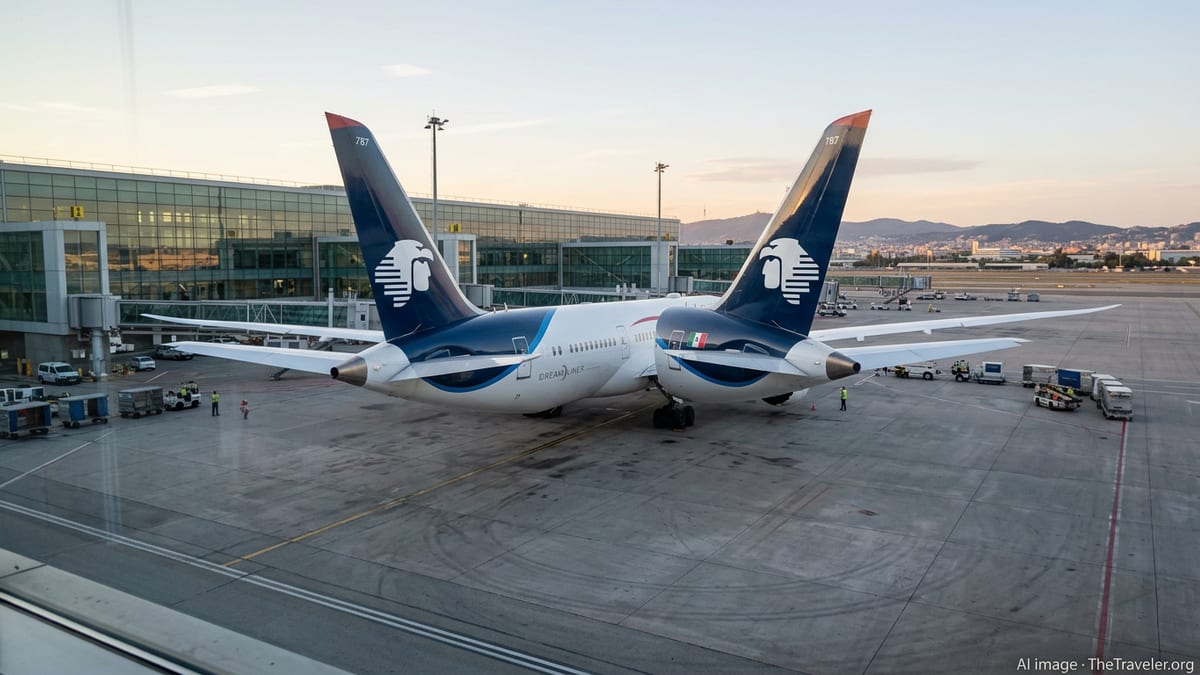
Data Points to 176 Delays and 11 Diversions Across Key Routes
Publicly available performance data from Monterrey International Airport indicates that, over the last three months, 176 flights on certain Volaris operations were classified as moderately delayed, representing about 7 percent of the carrier’s activity on those routes. The same dataset shows 11 flights recorded as diverted, a small proportion of the overall schedule but a meaningful indicator of disruption across the network.
These figures cover high‑demand domestic links that connect Monterrey with Cancun, Mexico City, and Guadalajara. The routes are served daily and form part of a dense web of point to point services that underpin business and leisure travel throughout Mexico’s northern and central corridors. When delays or diversions accumulate on such trunk routes, knock on impacts can spread quickly across connecting services.
Separate flight tracking records for individual services between Guadalajara, Monterrey, and Mexico City show elevated rates of delay on some flights, with certain Volaris departures reporting delay percentages significantly above historic averages. In at least one case, an individual Guadalajara to Monterrey rotation has seen around 40 percent of its recent operations arrive late, highlighting ongoing schedule pressure on the corridor.
Although only a small number of recent flights show outright cancellations, the combination of repeated moderate delays and occasional diversions has translated into a noticeable level of disruption for travelers, particularly those relying on tight domestic connections or onward international departures.
Major Mexican Carriers and U.S. Airlines Affected
The pattern of disruption has been most visible among Mexican low cost and full service operators that dominate domestic traffic. Volaris and VivaAerobus, two of the country’s largest budget airlines, operate frequent daily services linking Cancun, Mexico City, Monterrey, and Guadalajara. Performance metrics for these airlines on the affected routes show a cluster of moderate delays, suggesting operational strain at peak travel times.
AeroMéxico, the country’s flagship carrier and a key player in both domestic and international markets, has also reported delays on select domestic flights connecting Cancun with Mexico City and other hubs. Flight status records for AeroMéxico and its regional affiliate on Mexico City to Monterrey routes indicate that some services have departed or arrived behind schedule, adding to congestion at already busy terminals.
U.S. airlines, including American Airlines, rely heavily on these Mexican hubs for cross border traffic, particularly through Cancun and Mexico City. While current public data points primarily to domestic delays and diversions, any schedule irregularities at Mexican airports can ripple into the operations of international partners through shared gates, ground handling resources, and connecting passenger flows.
Industry analysts note that higher summer travel demand, combined with infrastructure constraints and ongoing works at major airports such as Mexico City, has left airlines with limited flexibility to recover from even minor operational setbacks. This environment can magnify the impact of individual delays on both Mexican and foreign carriers.
Cancun, Mexico City, Monterrey, and Guadalajara Under Pressure
Cancun, Mexico City, Monterrey, and Guadalajara are among Latin America’s busiest airports by passenger volume, and they form the backbone of Mexico’s domestic aviation network. Recent traffic snapshots place Mexico City and Cancun near the top of the regional rankings, with Guadalajara and Monterrey also handling millions of passengers each year.
The concentration of demand at these hubs means that even modest levels of disruption can affect large numbers of travelers. Cancun remains the primary gateway for beach tourism along the Caribbean coast, while Mexico City International Airport serves as the principal connection point for both domestic and international itineraries. Guadalajara and Monterrey, key economic centers in western and northern Mexico, function as strategic bases for low cost carriers and traditional airlines alike.
Airport modernization and expansion efforts, particularly in Mexico City, have added short term complexity to operations as terminals and airside infrastructure are upgraded. Travelers have reported crowded gate areas, last minute gate changes, and longer taxi times, all of which can contribute to delays when schedules are already tight.
In parallel, security incidents earlier in 2026 highlighted how rapidly evolving conditions on the ground can affect airport access and flight planning. While current reports indicate that airports across Mexico are operating largely normally, earlier episodes in cities such as Guadalajara showed that temporary roadblocks and localized unrest can force airlines to adjust schedules, reroute aircraft, or cancel select flights.
What Travelers Are Experiencing on the Ground
For passengers, the latest wave of delays and scattered cancellations has translated into missed connections, extended time in terminal waiting areas, and uncertainty around departure times. On popular domestic routes such as Guadalajara to Monterrey or Cancun to Mexico City, travelers have faced delayed departures that can stretch beyond an hour, particularly during peak morning and evening banks.
Reports from recent passengers transiting through Mexico City and Cancun describe a mix of relatively smooth operations and sudden changes, including altered boarding times and revised gate assignments announced close to departure. In several cases, flights that were initially listed as delayed later departed earlier than expected, catching some passengers off guard.
Travel commentary also suggests that holders of special fare products or passes have encountered additional frustration when attempting to rebook on full flights after a delay or cancellation. On heavily trafficked leisure routes, limited seat availability can make same day reaccommodation difficult, especially during school holidays and long weekends.
Despite these challenges, most Mexican airports remain open and functioning, and the majority of scheduled flights are still operating. However, the uneven pattern of delays and occasional diversions has underscored the importance for travelers of monitoring flight status closely and allowing extra time for connections when planning multi leg itineraries through Mexico’s main hubs.
Airlines and Airports Work to Stabilize Schedules
Airlines serving Cancun, Mexico City, Monterrey, and Guadalajara are adjusting schedules and operational practices in an effort to limit further disruption. Publicly available route and timetable updates show minor timing changes on some domestic services, along with aircraft swaps designed to better match capacity and demand on key corridors.
Airport operators are continuing with infrastructure and terminal improvements aimed at easing congestion in the medium term. In Guadalajara and Monterrey, ongoing investments in runways, taxiways, and terminal facilities are intended to increase capacity and support more efficient ground operations, which could, over time, help reduce the frequency and severity of delays.
In the near term, aviation observers expect that punctuality metrics for carriers such as Volaris, VivaAerobus, and AeroMéxico on routes linking the four major Mexican hubs will remain under close scrutiny. Any further spikes in delays or diversions, particularly during peak travel periods, are likely to prompt additional schedule fine tuning and operational changes.
For now, the data showing 176 recent moderate delays and 11 diversions serves as a snapshot of the strain on Mexico’s domestic air network. As airlines, airports, and regulators seek to restore greater timetable reliability, passengers transiting through Cancun, Mexico City, Monterrey, and Guadalajara may continue to experience pockets of disruption alongside generally normal operations.