


More news on this day
New air traffic data for 2026 indicates that Istanbul and Barcelona have emerged as the only major European airports still posting clear growth in international tourism, underscoring how the continent’s recovery is increasingly concentrated in a handful of resilient hubs.
Get the latest news straight to your inbox!
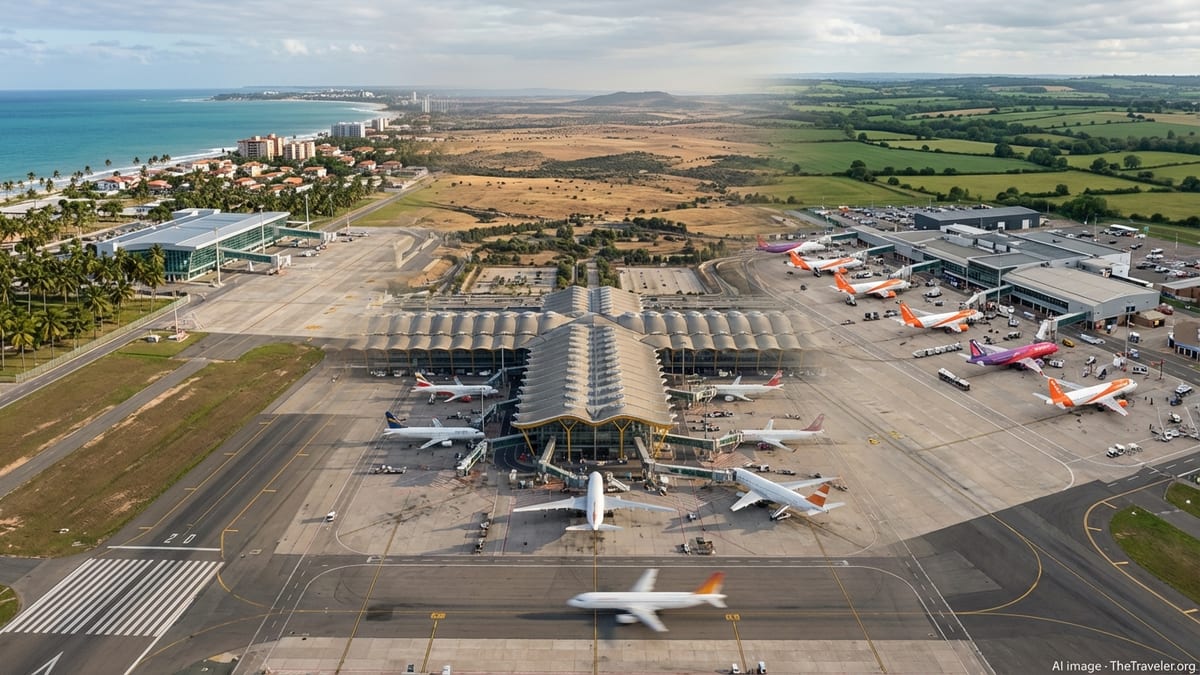
Latest Numbers Highlight a Narrowing Field of Winners
Industry reports for early and mid‑2026 show that while overall European air traffic is growing only modestly, Istanbul and Barcelona are continuing to add international passengers at a pace that outstrips peers. Airport and tourism statistics compiled across the continent point to stagnating or flat international volumes at many large hubs, even as domestic traffic edges higher.
In contrast, Istanbul’s main airport has consolidated its position near the top of the European league tables by international passenger traffic, helped by strong transfer flows linking Europe, the Middle East and Asia. Publicly available figures for the first half of 2026 indicate tens of millions of international passengers moving through the city’s two-airport system, with Istanbul Airport handling the majority of long‑haul and transfer traffic.
Barcelona’s Josep Tarradellas Barcelona El Prat Airport is displaying a similar outperformance on a smaller scale. After breaking its all‑time annual passenger record in 2025 and logging a solid rise in international travellers, monthly airport updates for early 2026 show new records for winter traffic and continued year‑on‑year growth, driven largely by tourism demand and expanding long‑haul links.
Together, the two airports stand out as the only major European gateways where international tourism volumes are not just holding steady but still clearly expanding, even as geopolitical tensions, high fuel costs and changing travel patterns weigh on other hubs.
Istanbul’s Mega‑Hub Strategy Keeps International Flows Growing
Istanbul’s rise as a global transfer hub has been a central factor in its 2026 performance. Public data on seat capacity and passenger volumes shows that Istanbul Airport consistently ranks among the busiest European airports by scheduled capacity and total passengers, with international travellers representing the majority of its traffic.
The airport’s hub‑and‑spoke model, built around extensive connections from Europe to Asia, Africa and the Gulf, continues to pull in transfer passengers who may not otherwise stop in Europe. Reports from aviation analytics firms point to robust long‑haul connectivity and high load factors on routes linking Istanbul to major markets such as the Gulf states, India and Southeast Asia, helping to sustain growth in international tourist and transfer flows.
At the national level, Turkish aviation authorities have published figures showing increases in international airport traffic through the first months of 2026 compared with the previous year. Istanbul’s airports have captured a significant share of that growth, reinforcing the city’s role as a regional gateway even as some European competitors see weaker numbers on routes to the Middle East and Eastern Mediterranean.
This performance is supported by continuing infrastructure investment. Official planning documents highlight work on additional runway capacity and terminal enhancements at Istanbul Airport intended to lift annual capacity into the 100‑million‑plus passenger range. Those projects are timed to keep pace with demand and are framed as essential to maintaining the airport’s position in global rankings of international connectivity.
Barcelona Builds on Record Tourism and New Long‑Haul Links
Barcelona’s airport is benefiting from a different but complementary dynamic: sustained inbound tourism and a long‑planned push into more intercontinental routes. According to airport operator updates and local tourism observatories, Barcelona El Prat closed 2025 with record passenger traffic and a strong increase in international travellers, even as domestic volumes levelled off.
That momentum appears to be continuing in 2026. Monthly statistics released in late winter show that the airport set a new February record for passengers, with growth compared with 2025 concentrated in international segments. Local coverage notes that the city’s tourism sector has largely recovered from the pandemic period, with international arrivals again dominating hotel nights and visitor spending.
Barcelona is also using 2026 to deepen its long‑haul network. Route announcements and aviation schedules point to a record number of intercontinental connections this year, including added services to North America, Latin America and parts of Asia. This growth in point‑to‑point long‑haul flying is helping the airport shift from a primarily European leisure gateway toward a more diversified hub for both tourism and business travel.
Significant public investment is also under way. Government and airport communications describe a multi‑billion‑euro expansion and modernization program for Barcelona El Prat, including improvements to runways, rail access and passenger facilities, with the stated aim of transforming the airport into a leading Mediterranean hub for international traffic.
Why Other European Hubs Are Lagging in International Tourism
The contrast with many other large European airports reflects a combination of structural and short‑term factors. Aviation bodies tracking 2026 air traffic report that overall growth across the European airport network has slowed compared with the immediate post‑pandemic rebound, with domestic travel in some markets now outpacing international demand.
Geopolitical tensions in surrounding regions have weighed on some cross‑border routes that previously supported strong tourism flows. Flights linked to destinations in the Eastern Mediterranean, the Middle East or parts of Eastern Europe have seen softer demand in certain hubs, a trend highlighted in several European aviation overviews for the first half of 2026.
At the same time, capacity constraints and environmental policies are influencing growth patterns. Airports with limited room for expansion, or subject to stricter slot and noise rules, have less flexibility to add new international routes or frequencies. In some Western and Northern European countries, political debates around aviation emissions and short‑haul flying are also contributing to a shift toward rail for regional travel, dampening some international airport traffic.
These pressures have not disappeared for Istanbul and Barcelona, but both airports have particular advantages. Istanbul’s position as an intercontinental transfer point makes it less dependent on short‑haul origin‑and‑destination traffic, while Barcelona’s tourism appeal and strong Mediterranean cruise and leisure market provide a steady pipeline of international visitors even in a slower macroeconomic environment.
Implications for Airlines, Cities and Travellers
The concentration of international tourism growth at Istanbul and Barcelona is beginning to shape airline decisions and city‑level planning. Route announcements and schedule adjustments for the 2026 summer and winter seasons show carriers allocating additional capacity to both airports, particularly on long‑haul and high‑yield leisure routes.
For the cities themselves, continued airport growth reinforces broader tourism and economic strategies. Publicly available planning documents link Istanbul’s airport expansion to wider ambitions to position Türkiye as a logistics and tourism hub spanning Europe, Asia and Africa. Barcelona’s airport investment program is framed as part of a push to move up the value chain in tourism while strengthening its role in international business and trade.
For travellers, the trends mean widening options through these gateways even as choices elsewhere in Europe remain constrained. Istanbul’s extensive connecting network offers more one‑stop itineraries between secondary European cities and long‑haul destinations, while Barcelona’s expanding long‑haul portfolio provides additional non‑stop choices for leisure and conference travel.
Industry analysts suggest that if current patterns hold through the end of 2026, Istanbul and Barcelona could further consolidate their positions at the top of Europe’s international tourism hierarchy. That would leave many rival hubs facing a more competitive landscape as they attempt to reignite growth in a slower and more fragmented market.