


More news on this day
Passenger rail services through Bedford are expected to resume on Monday 29 June, following intensive recovery and repair work after the fatal collision between two East Midlands Railway services south of the town on 19 June.
Get the latest news straight to your inbox!
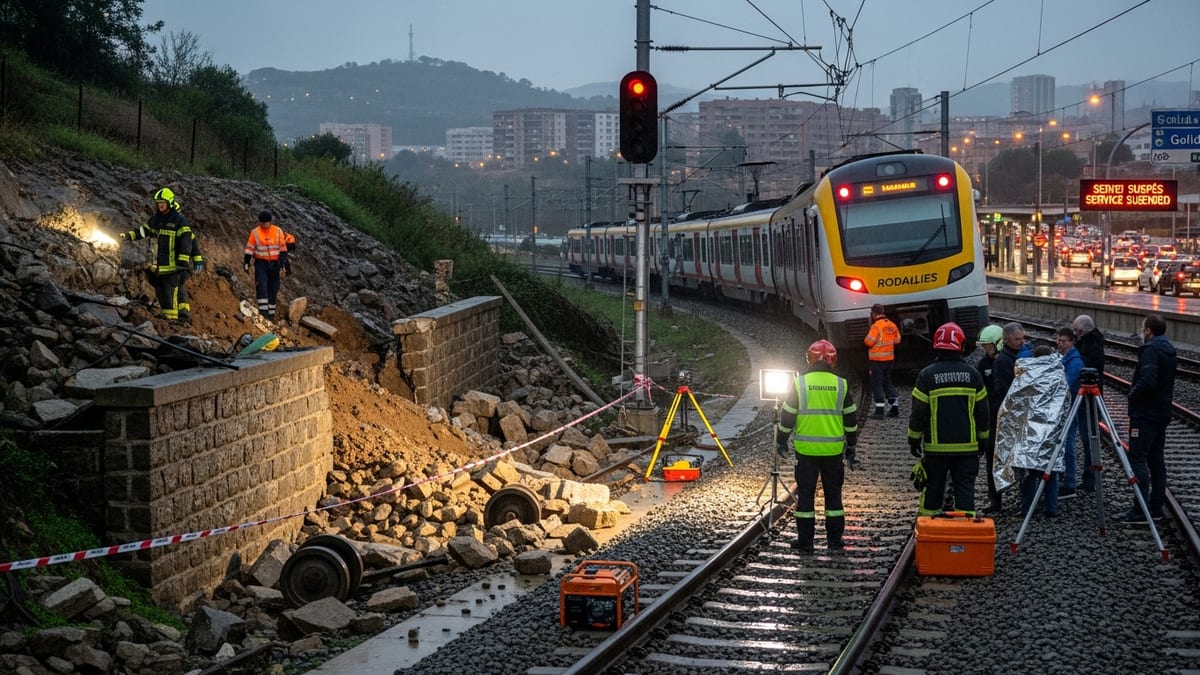
Rail corridor reopens after major disruption
The collision near Elstow, just south of Bedford, forced the closure of the Midland Main Line between Bedford and Luton for more than a week, with long distance and commuter trains either cancelled or diverted. According to published coverage, hundreds of services were affected in the days after the crash as investigators and engineers worked along the busy four track section of line.
Rail industry updates indicate that the route has been handed back to Network Rail operations teams in stages as damaged rolling stock was removed and track repairs completed. Final testing work is understood to be taking place over the weekend, enabling the timetable to restart in a phased way from the first trains on Monday 29 June.
Operators have warned that some short notice alterations and crowding are still possible as the network settles down. Passengers are being advised, through public information channels, to check journey planners before travelling and allow extra time, particularly during the Monday morning peak.
Details of the Bedford collision and its impact
The incident occurred on Friday 19 June at around 5.15pm, at the height of the evening rush, when a southbound East Midlands Railway commuter service struck the rear of a stationary intercity train on the approach to Bedford. Reports from the scene describe significant damage to the leading vehicles of the moving train and the rear of the stopped train, with at least one carriage derailed.
Publicly available information from emergency services and rail investigators indicates that one train driver was killed and around 100 passengers sustained injuries ranging from minor to very serious. Images from the crash site showed a large multi agency response, including air ambulance support, and a complex operation to evacuate passengers along the track.
In the immediate aftermath, services between Bedford and London St Pancras were suspended while incident responders secured the site. Over the following days, operators relied on replacement buses, diversions via alternative routes and amended timetables, causing extended journey times for both intercity and regional travellers across the East Midlands and southern England.
Recovery operation clears the way for services
Network Rail and specialist contractors have spent the past week stabilising and recovering the two damaged trains, as well as examining and repairing track, signalling and overhead line equipment. Industry reports suggest that access to the site was challenging, requiring temporary works to bring in heavy lifting gear and to remove debris without further damaging rail infrastructure.
Once the rolling stock was removed, engineers carried out detailed inspections of the rails, sleepers and ballast, replacing sections where damage was identified. Signalling and power systems were also checked and, where necessary, reconfigured before being returned to service. Test trains have been used to confirm that systems are operating as intended before passenger trains are allowed back onto the affected tracks.
According to published information from British Transport Police, officers have continued to search the carriages as they were moved away from the scene, recovering personal belongings and gathering further evidence for the ongoing investigation. Property from the trains has been transferred to an East Midlands Railway facility, where arrangements are being made to reunite items with passengers.
Ongoing investigation and safety focus
The Rail Accident Investigation Branch has released preliminary findings setting out the sequence of events in the minutes before the collision. Early indications reported in specialist railway media suggest that a southbound commuter service ran into the back of a stationary intercity train on the same line, with data recorders and signalling information now being analysed in detail.
Investigators are expected to examine a range of factors, including train operation, signalling performance, onboard safety systems and any human or technical elements that may have contributed to the collision. Rail industry commentary highlights that the crash is one of a small number of serious passenger train incidents in Britain in recent years, drawing renewed attention to the layered safety protections that normally prevent such events.
Officials have indicated, through public statements carried by national news outlets, that any recommendations from the investigation will be implemented to strengthen protections on key intercity corridors such as the Midland Main Line. Until the full report is published, operators are being urged in public commentary to avoid speculation and to focus on supporting those affected and restoring services safely.
What passengers can expect from Monday 29 June
From Monday 29 June, East Midlands Railway intercity services between Nottingham, Derby, Sheffield, Corby and London St Pancras are expected to resume calling at Bedford, with through services once again operating over the previously closed section. Thameslink commuter trains, which share parts of the corridor, are also expected to return to more normal patterns after days of disruption and diversions.
Timetable information indicates that some temporary changes may remain in place while rolling stock is repositioned and while engineers monitor the repaired infrastructure under normal traffic conditions. Passengers using early morning and late evening services may see altered departure times or platform changes as operators work to rebalance fleets and crews.
Travel industry observers note that demand is likely to be high on the first days of resumed service, as commuters and leisure travellers who have postponed journeys return to rail. Journey planners and station departure boards will carry the latest updates, and passengers with flexible tickets issued during the closure period are being encouraged, via operator announcements, to check any revised validity arrangements before travelling.