


More news on this day
American Airlines is rolling out a slate of fifteen new and returning nonstop routes across key U.S. hubs, an aggressive network expansion aimed at capturing strong leisure and visiting-friends-and-relatives demand ahead of the next peak travel season.
Get the latest news straight to your inbox!
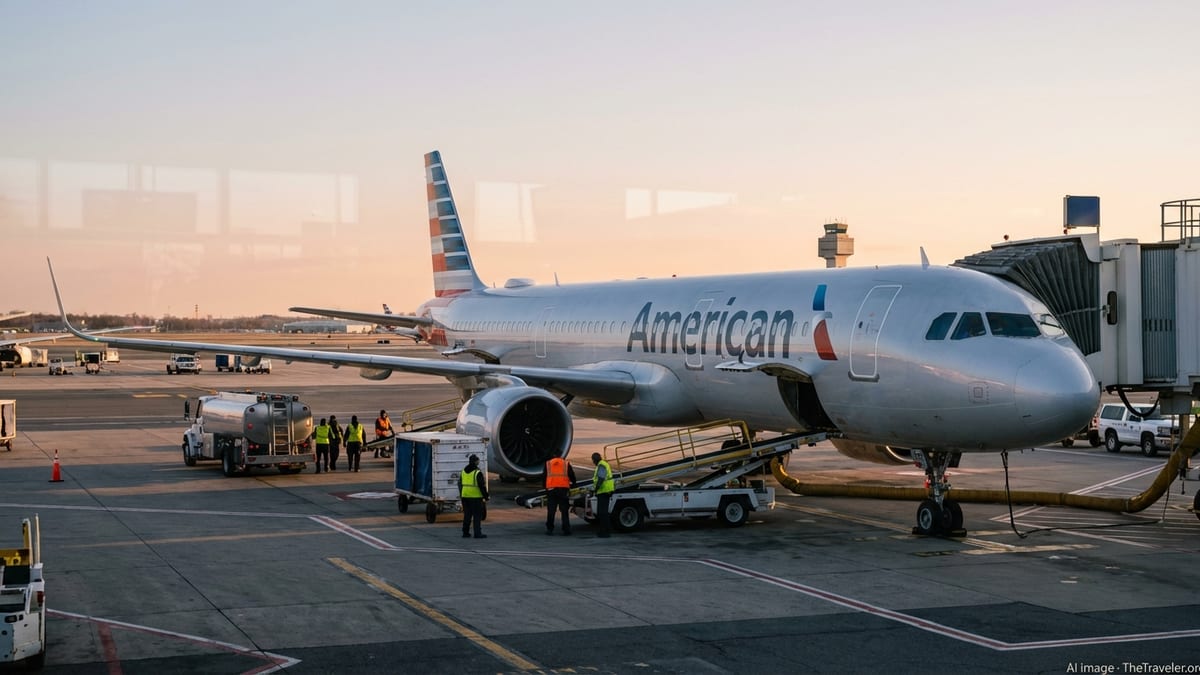
Fifteen Routes Target Summer Demand From Key Hubs
According to the airline’s recent network updates and published coverage from industry outlets, the latest expansion package centers on fifteen nonstop services that will launch or return in time for next summer’s schedule. The mix includes entirely new city pairs and the restoration of seasonal links that were paused during the pandemic and subsequent network reshuffles.
Chicago O’Hare, Charlotte, Dallas Fort Worth, Miami, Phoenix and Boston feature prominently, reflecting American’s strategy of concentrating growth at large connecting hubs while still adding a handful of point to point links. Industry summaries indicate that the new flights include additional access from Boston to midwestern and New England destinations, fresh connectivity from Charlotte to smaller regional airports, and more links from Chicago to secondary cities in the Midwest and Mid Atlantic.
Several of the routes being revived last operated in 2019 or 2020 and are returning as seasonal summer service, giving the carrier flexibility to match capacity to peak demand without committing to year round schedules. These include leisure oriented flights to coastal and mountain destinations that have seen strong post pandemic recovery, especially among travelers seeking shorter domestic trips in place of longer international journeys.
The fifteen route package sits alongside previously announced transatlantic additions for summer 2025 and 2026, indicating that American is layering domestic connectivity on top of its long haul growth. By strengthening domestic feed into its hubs, the carrier positions itself to better support new services to Europe and South America that have been gradually introduced over the past two years.
Chicago O’Hare Emerges as a Major Winner
Publicly available information from American’s own announcements shows that Chicago O’Hare is one of the biggest beneficiaries of the latest expansion. The airline has been steadily rebuilding its presence there, with recent seasons already showing a marked increase in daily departures and seats compared with pre pandemic levels.
The new and returning nonstop links from Chicago focus on mid sized markets such as Lincoln, Nebraska, and Erie, Pennsylvania, along with additional connectivity to regional business centers and smaller leisure destinations. Aviation analysts note that these routes are designed to thicken the carrier’s midcontinent connecting web, giving passengers in secondary cities more one stop options to both coasts and to international flights departing Chicago.
Chicago customers will also see benefits from previously announced long haul additions. American has been growing its European portfolio from O’Hare, including new or expanded service to cities such as Naples and Madrid, and restoring connectivity to major Asian gateways. The incremental domestic routes help funnel more passengers onto those higher yield international services, supporting the economics of running widebody aircraft on long distance sectors.
Network commentators point out that the strategy also answers competitive pressure at O’Hare, where United remains the dominant carrier. By selectively adding flights that complement, rather than attempt to mirror, its rival’s schedule, American appears to be carving out a differentiated role focused on specific leisure and business flows.
Charlotte, Dallas Fort Worth and Phoenix Gain New Reach
Beyond Chicago, American is using the fifteen route package to deepen connectivity at several of its most important domestic hubs. In Charlotte, the airline is introducing new nonstop service to Columbia, Missouri, linking one of its core southeastern gateways with a growing midwestern university and business market. That route joins other additions from Charlotte aimed at strengthening the airport’s role as a key east coast connecting point.
Dallas Fort Worth, American’s largest hub, continues to see growth as well. Recent schedules show added domestic links that feed into the carrier’s expanding international operation, which includes more flights to South America and additional transatlantic services. The new and returning nonstop routes within the United States are structured to bring more passengers from smaller markets into Dallas for onward connections across the network.
In the western United States, Phoenix gains extra seasonal connectivity to popular outdoor and sun destinations. While specific route details vary by season, industry reports highlight returning links to mountain and coastal airports that are heavily used during summer vacation periods. These services give American a way to compete more directly with low cost rivals in the leisure market while still leveraging a hub structure that favors connections.
Observers note that American is pairing its Phoenix growth with enhancements in Los Angeles and other western stations, using a combination of mainline and regional aircraft. The strategy aims to maintain relevance in the West without returning to the much larger footprint it once held in Los Angeles, instead relying on carefully targeted routes that feed into its broader domestic and international network.
Balancing Leisure Growth With Network Discipline
The decision to add and restore fifteen nonstop routes reflects a broader trend across major U.S. airlines of leaning into leisure and visiting friends and relatives traffic while keeping a close eye on costs. American’s latest moves continue that pattern, with a strong focus on seasonal flying that can be dialed up or down based on demand and fuel prices.
Many of the new and returning flights are scheduled for peak summer weekends and holiday periods, when demand for beach, mountain and smaller city destinations is strongest. By contrast, shoulder season and winter schedules remain more conservative on these thinner routes, helping the carrier avoid the losses that can come from flying underperforming services year round.
Industry analysts suggest that American is also using the fifteen route expansion to test the resilience of certain markets that were either cut or reduced earlier in the decade. If performance during the coming summer proves strong, some of the routes could transition from strictly seasonal to extended seasonal or even year round operations. Conversely, weaker performers can be retired again with less disruption than if they had been relaunched as permanent additions.
The approach underscores how large carriers now view network planning as a dynamic process. Rather than locking in a fixed route map for years at a time, American and its peers routinely adjust frequencies, aircraft types and even entire city pairs several times a year in response to demand signals and competitive moves.
Implications for Travelers and Competing Carriers
For travelers, the fifteen new and returning nonstops mean more one flight options between midsize cities and major hubs, as well as additional choices when connecting to long haul services. Passengers in markets such as Boston, Charlotte, Chicago and Phoenix can expect to see more itineraries that avoid backtracking and reduce total travel time, especially on domestic trips that previously required two connections.
The expansion may also put pricing pressure on certain routes where American will now go head to head with other legacy carriers and low cost competitors. Aviation analysts say that, at least initially, introductory fares and promotional offers are likely as airlines vie for market share on the newly contested city pairs. Over time, yields will depend on how well American can attract a mix of leisure and higher paying business travelers onto the new flights.
For competing carriers, the announcement is another signal that American intends to defend and, where possible, grow its share in strategic hubs despite a challenging cost environment. The carrier’s willingness to restore previously cut routes, while also betting on entirely new ones, suggests confidence in underlying domestic demand and in its ability to use hubs efficiently.
How many of the fifteen routes ultimately prove durable will become clear over the next several seasons. For now, the expansion marks a notable show of ambition from one of the world’s largest airlines, and it sets the stage for a competitive summer ahead across the U.S. domestic market.