


More news on this day
A Delta Air Lines service operating as flight DL2806 from New York to Chicago diverted to Detroit on August 9 after a reported in flight issue, prompting an unscheduled landing and travel disruptions for passengers on the busy Northeastern to Midwest route.
Get the latest news straight to your inbox!
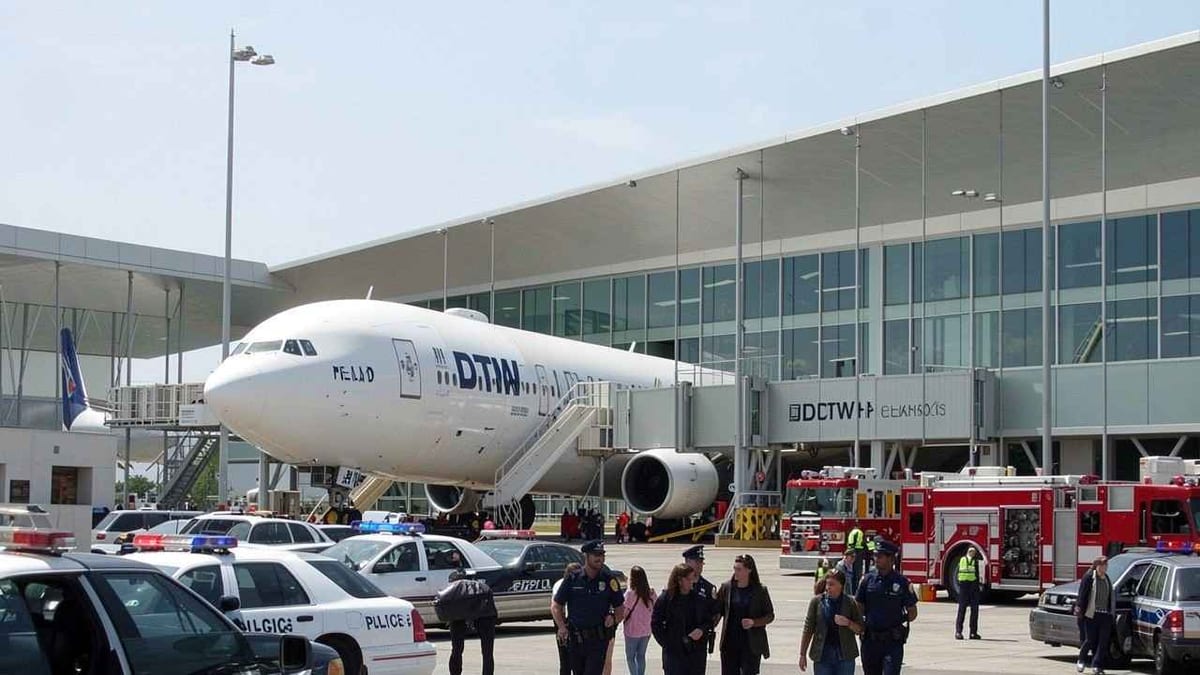
What is known about Delta flight DL2806
Publicly available flight tracking data indicates that Delta Air Lines flight DL2806 was operating a New York to Chicago service on August 9 when the aircraft diverted from its planned route and landed in Detroit. The service is typically scheduled between New York LaGuardia and Chicago O Hare, a high frequency domestic corridor served by a mix of regional and mainline aircraft.
Reports circulating on aviation tracking platforms and social media show that the aircraft involved was a regional jet configured for short haul domestic operations. The service was described as a Bombardier CRJ 900, a twin engine regional jet commonly used by Delta s regional partners on routes of one to three hours. These jets usually carry around 76 to 79 passengers in a two class layout.
According to the same tracking information, the flight departed New York as scheduled and initially followed a standard routing toward Chicago before turning toward Detroit partway through the journey. The diversion added time to the overall travel day for passengers and led to missed connections for some travelers who were planning onward flights from Chicago.
Available records do not show any injuries associated with the diversion. The landing in Detroit was described in public reports as controlled and routine, with the aircraft taxiing to a gate under its own power after arrival.
Why flights divert and what likely happened
Specific technical details for the August 9 diversion of flight DL2806 had not been formally outlined in publicly accessible incident summaries as of August 10. However, the pattern of the diversion fits common operational scenarios that affect domestic flights in the United States, especially on busy routes such as New York to Chicago.
Airline operations data and prior incident records show that diversions most often occur due to a combination of onboard medical events, technical or maintenance concerns, or weather and air traffic constraints at the intended destination. In the case of DL2806, the decision to land in Detroit suggests that the crew and airline operations center opted for a large hub airport located along the general route of flight, with extensive maintenance resources and ample gate capacity.
When a regional jet experiences a potential technical issue while en route, standard operating procedures typically prioritize landing at the nearest suitable airport that can support both the aircraft type and the airline s ground operation. Detroit serves as a significant station in Delta s domestic network, offering maintenance facilities, spare aircraft, and rebooking options for onward travel to Chicago and other cities.
Even when an event is precautionary rather than an emergency, flight crews may choose to divert to limit additional stress on aircraft systems and to position the aircraft at an airport where technicians can inspect and, if needed, repair the jet before its next flight.
Impact on passengers and onward travel options
Travelers on DL2806 experienced an unplanned change to their journey as a result of the diversion. Passengers were expected to disembark in Detroit and either wait for the same aircraft to be cleared for departure or be rebooked on alternative flights to Chicago or to their final destinations. For those with tight connections originally scheduled through Chicago, the diversion likely led to missed onward flights and overnight delays in some cases.
Delta s published customer service guidelines describe a range of possible remedies in the event of significant delays or schedule disruptions, including rebooking on the next available flight, meal vouchers, and in some circumstances hotel accommodation. The exact level of support typically depends on factors such as the cause of the disruption, the length of the delay, and local availability of hotel rooms and alternative flights.
Passengers affected by diversions are usually advised to monitor the airline s mobile app or airport departure boards for updated gate and departure information. In many recent diversion cases on major U.S. carriers, rebooking is processed automatically into new itineraries, with boarding passes issued digitally and notifications sent to passengers phones and email addresses.
Travelers who booked the New York to Chicago leg as part of a larger itinerary, such as an international connection, often receive additional assistance from airline staff at the transfer airport or via customer service channels, as airlines seek to minimize onward disruptions.
What this diversion means for future flights on the route
The diversion of DL2806 on August 9 is not expected to have a long term impact on Delta s broader schedule between New York and Chicago. This corridor is one of the busiest in the airline s domestic network, served by multiple daily flights on various aircraft types. When a single aircraft is taken out of service for inspection or maintenance after a diversion, airlines generally substitute another jet from their fleet or adjust schedules to maintain core frequencies.
For upcoming travelers, the incident serves as a reminder that, although diversions can be disruptive, they are a built in safety and reliability feature of commercial aviation. When flight crews and operations teams identify a potential concern, diverting to a suitable airport allows for a controlled response and detailed inspection of the aircraft before it is returned to service.
From a broader operational perspective, diversions also highlight the role of hub airports such as Detroit in backing up primary routes. Even when the original journey is a point to point service between New York and Chicago, large intermediate airports with maintenance capabilities play a key role in supporting contingency plans across the network.
Travelers booked on future Delta services between New York and Chicago are not being advised of any systematic disruption related to the August 9 event. Routine schedule adjustments, aircraft swaps, and gate changes may still occur as part of normal operations, and passengers are generally encouraged to check their flight status regularly on the day of travel.
Advice for travelers when a diversion occurs
For passengers caught up in an unscheduled diversion like that experienced by those on DL2806, a few practical steps can help manage the disruption. Keeping boarding passes, booking references, and contact details for travel partners or accommodation handy can speed up rebooking and coordination once on the ground at the diversion airport.
Travel experts commonly recommend using an airline s mobile app or website as the primary source for real time updates, as these channels usually reflect gate changes, new departure times, and seat assignments sooner than airport displays. In parallel, speaking with gate agents once at the diversion airport can help clarify options for same day rebooking or, when necessary, overnight arrangements.
Passengers with checked baggage are typically advised that bags will either continue on the original flight once it resumes service, or be transferred to the next available rebooked flight. In some cases, luggage may remain on the original aircraft if it is quickly cleared to continue. Travelers with essential medication, documents, or valuables are therefore encouraged by travel guidance sources to keep these items in carry on bags whenever possible.
While diversions can be unsettling, industry safety data shows that air travel remains one of the safest modes of transportation. Events such as the August 9 diversion of DL2806 tend to draw attention precisely because they are relatively infrequent compared with the large number of daily flights that proceed as scheduled.