


Barcelona El Prat, officially Josep Tarradellas Barcelona El Prat Airport, is one of Europe’s busiest Mediterranean hubs, and its lounges have become a real asset for travelers who want a calm place to work, freshen up, or simply enjoy a proper meal before boarding. Whether you are flying economy with a long layover, traveling on business, or starting a family holiday, the right lounge at Barcelona can change your entire airport experience.
Get the latest updates straight to your inbox!
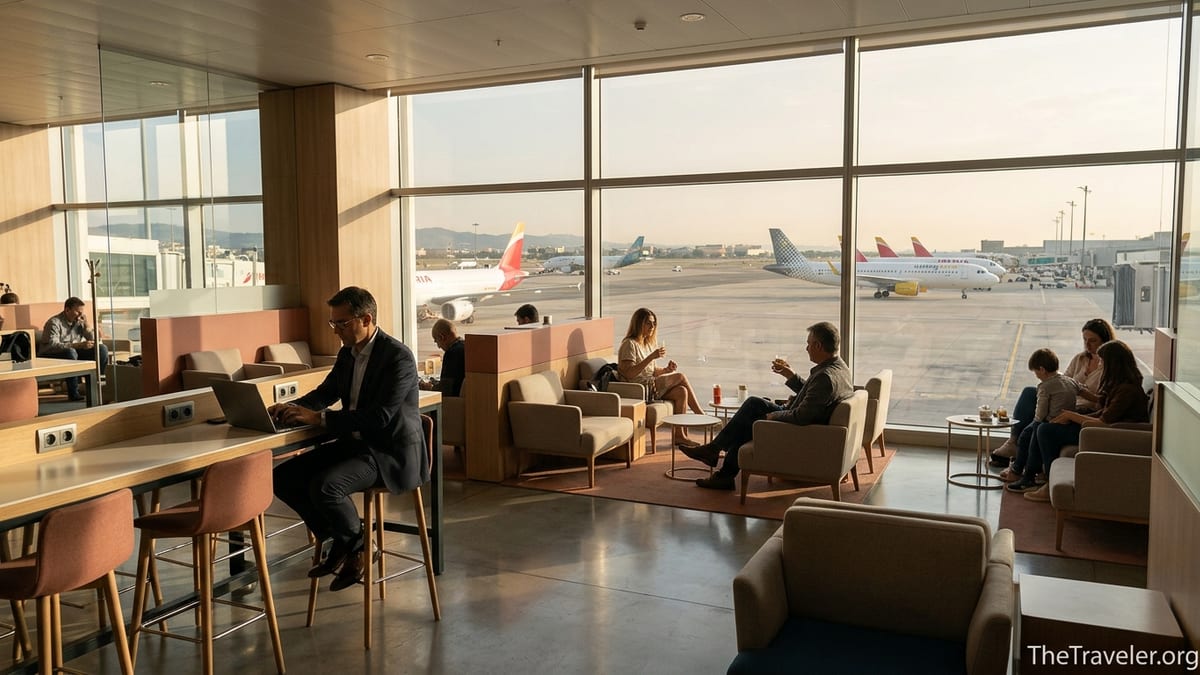
How Barcelona’s Lounge Scene Is Organized
Barcelona El Prat has a compact but well structured lounge ecosystem. As of mid 2026, there are five main VIP lounges inside the terminals, all operated by Aena and branded by their Catalan or Spanish names: Pau Casals, Joan Miró, Colomer and the landside Premium VIP Lounge in Terminal 1, plus the Canudas lounge in Terminal 2. They are complemented by a small number of private products such as the Sleep & Fly Premium Lounge, which is linked to the airport hotel in Terminal 1 but sold as an add on for travelers who want a quieter, more exclusive environment.
The first key to choosing the right lounge is understanding where you are flying. Terminal 1 handles the majority of full service carriers and most Schengen and non Schengen flights, while Terminal 2 serves some low cost airlines and regional services. Within Terminal 1, Pau Casals caters mainly to Schengen passengers, Joan Miró is focused on non Schengen departures, Colomer is tied to the Barcelona Madrid shuttle, and the Premium VIP Lounge sits landside before security, making it especially useful on arrival or for those meeting others at the airport.
Access models are also relatively consistent across Barcelona’s lounges. In general, you can enter with an eligible business class or first class ticket, with many frequent flyer elite tiers, or with independent products such as Priority Pass and similar membership schemes. Walk up access is often available for economy passengers for a fee that typically ranges around 35 to 45 euros for a three hour stay, though exact prices vary depending on time of day and which reseller you book through.
Because all of the main Aena lounges offer a similar baseline: self service hot and cold food, a strong selection of drinks, Wi Fi, working areas, and showers in several locations, the question becomes less “which is best overall” and more “which fits your route and style of travel.” The following sections break this down by traveler type, with concrete examples so you can decide quickly, even during a tight connection.
Best For Schengen and Domestic Flights: Pau Casals VIP Lounge
If you are flying within the Schengen Area or on most domestic routes from Terminal 1, the Pau Casals VIP Lounge is likely to be your primary option. Located airside on Level 2 after security, near the Sky Center shopping area and the A, B and C gates, it is designed as the main all rounder lounge for European departures. Its opening hours typically run from early morning, around 4:30, until late in the evening close to midnight, which covers the bulk of early departures to cities like Paris, Rome or Munich and late flights to hubs such as Amsterdam or Frankfurt.
In practice, Pau Casals works well for a broad spectrum of travelers. A family heading to Palma de Mallorca on a low cost carrier can prebook access through a lounge pass provider and use the children’s play area and nursing room, while parents enjoy a proper coffee and pastries instead of queuing at the main concourse cafes. A business traveler on a mid morning Barcelona to Brussels flight can take advantage of the quiet workstations, reliable Wi Fi and newspapers, with enough power outlets to recharge both laptop and phone before back to back meetings on arrival.
The food and drink offering here is typically more substantial than a simple snack bar but not comparable to a high end first class lounge. Expect a rotating selection of Spanish and Catalan cold cuts, cheeses, bread, salads and a few hot dishes at peak times, such as pasta, soups or simple stews, plus all day snacks like tortilla, olives and packaged sweets. Beverage stations offer soft drinks, juices, coffee and a modest but decent range of Spanish wines and basic spirits. For someone facing a two hour delay on a Barcelona to Berlin flight, this can easily replace a full meal in the main terminal, especially if you time your visit around lunch or dinner hours.
Showers are available, which makes Pau Casals particularly attractive if you have connected from a long haul flight into Barcelona and are continuing within Europe. For example, an economy passenger arriving from Latin America and continuing to a Schengen destination can often buy lounge access for the Schengen leg and take a shower, charge devices and reorganize luggage rather than spending multiple hours in the public departures hall.
Best For Long Haul and Non Schengen Flights: Joan Miró VIP Lounge
Passengers heading beyond the Schengen zone from Terminal 1, whether to the United Kingdom, the United States or destinations in the Middle East, are typically funneled toward the Joan Miró VIP Lounge. It is situated after passport control, near the D and E gates, which are used for non Schengen flights. The lounge usually opens around 6:00 in the morning and closes in the late evening, roughly aligned with the longer haul wave of departures.
For a traveler booked on an afternoon Barcelona to New York service in economy, gaining access through a membership program can turn an otherwise crowded boarding area into several hours of comfort. They can have a hot meal, pour a glass of cava or wine, catch up on work in the quieter corners, and board the aircraft already fed and relaxed. Similarly, someone on an overnight Barcelona to Doha or Dubai flight can use the showers to freshen up and change before a red eye, rather than relying solely on the onboard facilities.
The Joan Miró lounge tends to attract a higher proportion of premium cabin passengers because many long haul airlines contract it as their default facility. In practical terms, this means peak times often align with late morning and early afternoon long haul departures. At those times you may see self service buffets stocked with more substantial hot dishes, such as rice, fish or chicken options, along with typical Mediterranean salads and desserts. The bar section usually offers local and international beers, sparkling wines, and common spirits. Travelers have reported that while it can get busy, seating usually remains available if you are willing to walk deeper into the lounge instead of stopping at the first open table by the entrance.
Because passport control queues can be unpredictable, a common strategy is to clear security and immigration as early as your airline allows and then retreat to the Joan Miró lounge. For example, if you are flying to London and anticipate evening congestion, arriving at the airport two and a half hours before departure lets you get through formalities without stress, spend over an hour in the lounge, and still walk calmly to your gate when boarding is called. This reduces the risk of missing boarding announcements that might be harder to hear in the main hall.
Best For the Barcelona–Madrid Shuttle and Short Turnarounds: Colomer VIP Lounge
The Colomer VIP Lounge is a specialized facility aimed at passengers on the Barcelona Madrid air bridge, a high frequency shuttle service primarily used by business travelers and commuters. It is located in the dedicated air bridge area of Terminal 1, with operating hours that usually run from early morning to late evening in line with the first and last shuttle flights of the day. Unlike the larger Pau Casals and Joan Miró lounges, Colomer is more compact and focused on speed and convenience rather than extended stays.
In real terms, this lounge is ideal if you fly the Barcelona Madrid route often, perhaps on Monday morning and Thursday evening, and value a quick coffee, a bite to eat and a quiet space to check emails between meetings. Many corporate travelers holding flexible or business class tickets on Spanish and some European carriers will be directed here automatically. If you hold an eligible lounge access membership, it can also be a smarter choice than waiting at the general gates because the proximity to the shuttle stands reduces the time you need to walk when boarding begins.
Facilities include the familiar range of snacks, light meals, drinks and Wi Fi, but showers and extensive quiet zones are less of a focus given the short flight time and predominantly domestic traffic. For example, if you land from Madrid just before lunch and have a connecting Barcelona to a regional Spanish destination, you might grab a quick plate of tapas style bites in Colomer and then head directly to your next gate, turning what would have been a rushed snack at a public café into a more relaxed 30 minute break.
Because of its targeted role, Colomer is not the best option if you have a multi hour layover or a family in tow; in that case, it is usually better to move to Pau Casals once you clear to the main Schengen departures area. However, for frequent shuttle passengers who value time efficiency above all, this lounge typically delivers exactly what it promises: a quiet, close by retreat without unnecessary detours.
Best For Arrivals, Early Starts and Non Flyers: Premium VIP Lounge and Sleep & Fly
Most airport lounges are designed exclusively for departing passengers, but Barcelona’s Terminal 1 includes a notable exception: the Premium VIP Lounge located landside, before security, near the Barcelona Madrid air bridge and the business center. It usually opens mid morning around 7:00 and closes at night around 22:00, serving both departing and arriving passengers, and even those who are simply at the airport to meet someone or work between city meetings.
This landside location changes how you might use a lounge. A traveler arriving on an overnight flight from Latin America who cannot check into their city hotel until mid afternoon can walk out through customs, head upstairs toward the air bridge area, and pay for a few hours in the Premium VIP Lounge to shower, change clothes, charge devices and enjoy a proper breakfast. For a local entrepreneur who schedules back to back daytime meetings in different parts of the metropolitan area, booking a block of time in this lounge between commitments can turn the airport into a temporary office, with meeting rooms available on request to host clients without leaving the terminal.
Linked to the same general zone is the Sleep & Fly concept, attached to an airside hotel in Terminal 1 but marketed with premium lounge style services. While access models vary, in many cases you can book short daytime stays or premium packages that combine room access with lounge style food and drink. This is particularly valuable if you have a long layover of six or seven hours and prefer a bed and a shower in a quiet, controlled space rather than spending half a day in a standard departures lounge. A traveler connecting from a transatlantic flight to a late evening departure for North Africa, for example, may choose a three to five hour Sleep & Fly package to rest properly rather than counting on sleep in a chair.
Because the Premium VIP Lounge is not tied to a specific security zone, it tends to be popular with premium credit card holders and frequent travelers who value flexibility over location. A practical tactic is to use this lounge on arrival or during longer breaks between city appointments, and then rely on airside lounges like Pau Casals or Joan Miró for your actual departure. This way you can segment your day into clearly defined work, rest and travel phases without juggling public cafés and crowded seating areas.
Best For Low Cost and Terminal 2 Flights: Canudas VIP Lounge
Terminal 2 at Barcelona El Prat serves a mix of low cost and regional airlines, and for many years passengers there had fewer comfort options than their Terminal 1 counterparts. The Canudas VIP Lounge, situated airside in Terminal 2, helps close that gap by offering a similar portfolio of services on a slightly smaller scale. Its operating hours are generally aligned with the bulk of low cost departures, often from around 6:00 in the morning until the evening, which covers the waves of flights to destinations such as Dublin, Manchester or smaller Spanish and European airports.
For a budget traveler flying from Barcelona to a weekend in Lisbon on a low cost airline, paying for Canudas lounge access can be an excellent value. Instead of buying separate meals and drinks in the public food court, they can arrive at the airport a bit early and spend two to three hours in the lounge enjoying self service snacks, coffee, and a simple but sufficient hot dish. If they hold a lounge membership through a mid range credit card, the entry may even be complimentary or heavily discounted, turning an otherwise bare bones low cost experience into a more comfortable start.
Canudas also offers showers, which can be a lifeline if you have had a long day in the city and are taking a late night flight. Imagine someone who has checked out of their Barcelona hotel at noon, spent the afternoon sightseeing, and is now heading home on a late evening low cost service. By booking access to Canudas, they can shower, change into fresh clothes, repack bags and relax with a drink before squeezing into a full cabin with limited onboard service.
Because Terminal 2 facilities can feel more utilitarian than those in Terminal 1, the Canudas lounge stands out as one of the few spaces where you can escape the crowds, plug in your devices and sit in padded seats instead of hard plastic chairs. Travelers should, however, always confirm which terminal their airline uses when booking lounge access in advance, as arriving at the wrong terminal would require a transfer that could eat into your lounge time or even jeopardize your departure.
Access, Passes and What You Can Realistically Expect to Pay
Barcelona’s lounges are designed to be accessible beyond traditional business class tickets. Many economy passengers reach them through independent lounge membership programs, premium credit cards, or by paying a one off fee at the door or via online aggregators. In practice, a typical three hour access pass booked ahead for Pau Casals or Joan Miró often falls in the broad range of 35 to 45 euros per adult, with discounted rates or free entry for young children depending on the reseller. Same day walk up prices at the lounge desk may be slightly higher, so booking in advance is usually more cost effective.
Priority Pass and similar programs remain widely accepted across Barcelona’s main lounges, but conditions can shift over time. Travelers report that some lounges occasionally impose waiting lists or restrict entry during peak hours for walk up guests when airline contracted passengers fill most of the space. For example, on a busy summer Saturday morning, an economy traveler with a lounge membership might be asked to wait 10 or 20 minutes before entering Pau Casals or be gently steered to a less crowded lounge in the same terminal. It is wise to build a small buffer into your schedule to account for this possibility.
Several premium credit cards issued in Europe and North America bundle lounge access as part of their benefits. A U.S. based traveler with a high tier travel rewards card might be able to bring a guest into Pau Casals or Joan Miró at no extra charge, effectively turning the lounge into an included meal and workspace. However, those benefits sometimes exclude specific lounges or place caps on the number of free visits per year, so it is important to check the current terms in the card’s app before relying on them.
For travelers without memberships, there are still cost effective strategies. Booking a lounge through a third party site several weeks before a peak season trip often yields lower pricing than buying access on the day of travel. If you are a family of four taking an early morning Barcelona to Copenhagen flight, comparing the total cost of lounge access with what you would normally spend on breakfast, snacks and drinks in the main terminal can reveal that the lounge is only marginally more expensive, while adding Wi Fi, showers and a less stressful environment for children.
Choosing the Right Lounge for Your Travel Style
With several broadly similar lounges at Barcelona El Prat, the decision often comes down to matching your travel style to the right space. Business travelers who value reliable Wi Fi, quiet zones and proximity to gates should generally gravitate to Pau Casals for Schengen flights, Joan Miró for non Schengen routes, and Colomer for the Barcelona Madrid shuttle. They can make use of meeting rooms, desk style seating and phone booths where available, turning even a 90 minute layover into a productive session.
Leisure travelers, especially families or groups, may prioritize lounges with more open seating, children’s areas and solid buffet offerings. Pau Casals and Canudas both lend themselves well to this profile, with enough room to spread out hand luggage, organize travel documents and keep an eye on kids without the constant background noise of the main terminal. For example, a family beginning a summer holiday to the Balearic Islands can plan to arrive at Terminal 1 two and a half hours before departure, check in, clear security, and then settle into Pau Casals for breakfast and cartoons on the lounge televisions instead of juggling trays in a public café.
Solo backpackers or budget conscious travelers might use lounges more selectively, focusing on situations where the value is clearest: very early or late departures when public food options are limited, long layovers where a shower and power outlets are essential, or tight connections where a lounge close to the gate reduces stress. For instance, someone connecting from a low cost domestic flight into Terminal 2 and then on to another European city with several hours to spare may find that the cost of a Canudas visit is offset by the ability to recharge, eat and relax without buying multiple items in different outlets.
Finally, travelers with awkward arrival times or long gaps between city appointments can think of Barcelona’s landside Premium VIP Lounge and linked Sleep & Fly services as a temporary extension of their hotel. Rather than paying for an extra night in the city just to access a room for a few hours, they can structure their day so that the airport itself becomes a flexible, comfortable base, with lounge time carefully slotted between flights, meetings and transport connections.
The Takeaway
Barcelona El Prat’s lounges are not about over the top luxury, but about practical comfort and flexibility for almost every profile of traveler. Across Terminal 1 and Terminal 2 you will find a consistent baseline of services that can turn crowded departure halls into manageable, even pleasant, waiting periods. The key is to align your lounge choice with your route and priorities: Pau Casals for most Schengen and family trips, Joan Miró for long haul and non Schengen departures, Colomer for quick Barcelona Madrid hops, the Premium VIP Lounge and Sleep & Fly for arrivals and in between time, and Canudas for low cost or Terminal 2 journeys.
By planning ahead, checking which terminal and zone your flight uses, and deciding where access offers the best value for your circumstances, you can make Barcelona’s lounges work for you instead of being an afterthought. Whether you are racing to a meeting in Madrid, starting a beach holiday with children in tow, or waiting out a transatlantic delay, there is likely a lounge at El Prat that matches your needs and budget, turning a necessary pause in your travels into a moment of rest, productivity or simple enjoyment.
FAQ
Q1. Do I need to fly business class to use a lounge at Barcelona El Prat?
Not necessarily. While business and first class tickets on many airlines include lounge access, most of Barcelona’s lounges also accept independent memberships and paid entries. This means an economy passenger can usually enter Pau Casals, Joan Miró, Colomer, Canudas or the Premium VIP Lounge by showing a valid lounge program card or paying a one off fee, subject to capacity and current conditions.
Q2. How much does lounge access typically cost at Barcelona airport?
Prices vary by lounge, time of day and booking channel, but a reasonable expectation is somewhere around the mid tens of euros for a three hour stay, often in the 35 to 45 euro range for adults when booked through common lounge pass providers. Walk up rates at the lounge reception can be slightly higher. Children sometimes benefit from reduced prices or free entry when accompanied by a paying adult, although exact policies differ.
Q3. Can I use a lounge on arrival at Barcelona El Prat?
Yes in certain cases. The Premium VIP Lounge in Terminal 1 sits before security on the landside, so arriving passengers can access it once they have cleared customs. This is particularly useful if you land from an overnight or long haul flight and want a shower, breakfast and a quiet place to work before heading into the city. Some travelers also combine arrival access with services at the attached Sleep & Fly facilities for longer daytime rest.
Q4. Which lounge should I choose if I am flying within the Schengen Area?
For most Schengen and domestic departures from Terminal 1, the Pau Casals VIP Lounge is the primary option and usually the most convenient. It is close to the A, B and C gates and offers a balanced mix of food, drinks, workspaces and family friendly facilities such as a children’s area. If your ticket or membership includes lounge access and your boarding pass shows a Schengen gate in Terminal 1, Pau Casals is typically the correct choice.
Q5. Which lounge is best for long haul or non Schengen flights?
Travelers heading to non Schengen destinations such as the United Kingdom, the United States, the Middle East or parts of Africa from Terminal 1 are usually directed to the Joan Miró VIP Lounge. Located beyond passport control near the D and E gates, it is designed for longer stays, with showers, hot dishes and plenty of seating. Many long haul carriers contract this lounge for their premium passengers and frequent flyers.
Q6. Are showers available in Barcelona’s airport lounges?
Yes, several lounges at Barcelona El Prat provide shower facilities, particularly Pau Casals, Joan Miró and Canudas. Availability can depend on current maintenance and capacity, so it is wise to ask at reception as soon as you enter. Towels are usually supplied, and some lounges may require a small deposit or operate showers on a first come, first served basis during busy periods.
Q7. Can families with children use the lounges comfortably?
In general, yes. Lounges like Pau Casals in Terminal 1 are equipped with children’s areas, televisions and flexible seating that make them suitable for families. Parents appreciate the ability to feed children from the buffet without juggling crowded public restaurants, and having quieter corners where kids can rest in between flights. It is still important to supervise children closely and be mindful of other travelers who may be working or resting nearby.
Q8. What is the advantage of the Colomer lounge compared with other lounges?
The Colomer VIP Lounge is tailored to the high frequency Barcelona Madrid air bridge, which means it is located very close to the shuttle gates and optimized for short visits. For a business traveler making regular day trips between the two cities, Colomer’s proximity and quick in and out access can be more useful than a larger lounge deeper in the terminal, even if the overall amenities are simpler.
Q9. How early should I arrive at the lounge before my flight?
Most lounges at Barcelona El Prat allow stays of around three hours, though exact rules can vary. As a practical guideline, arriving at the airport two to three hours before a European flight and three hours or more before a long haul departure usually gives you enough time to clear security and, where necessary, passport control, then enjoy at least an hour in the lounge. Building in a buffer of 15 to 20 minutes for potential queues at lounge reception during peak periods is also sensible.
Q10. Can I move between different lounges in the same terminal with one access?
In most cases, no. Access is granted per lounge visit and is tied to the facility you enter first, whether through a paid pass, airline ticket or membership. While all Terminal 1 lounges at Barcelona share a similar service level, you are normally expected to remain in the one you checked into. If you wish to try another lounge within the same terminal, it would usually count as a separate visit and could trigger additional charges or use up another allowance from your lounge program.