

Japan remains one of the world’s most captivating destinations for travelers who love culture and food, but record visitor numbers, rising prices and mounting overtourism are pushing many would-be visitors to look elsewhere. From entrance fees at Mount Fuji to crowd control measures in Tokyo’s busiest districts, the country is grappling with how to manage demand while protecting local life. For travelers, that means it can be harder to find the quiet temples, neighborhood eateries and feeling of discovery that once defined a trip to Japan. The good news is that around the world there are other destinations where food and culture are just as compelling, the welcome is warm and your travel dollars may stretch further.
Why Look Beyond Japan Right Now
Japan has surged back to the top tier of global tourism, welcoming well over 30 million international visitors in 2024 and surpassing its pre-pandemic record. Popular sites such as Kyoto’s historic districts, Tokyo’s entertainment neighborhoods and the trails around Mount Fuji are feeling the strain. Local authorities have introduced new crowd management tools, from bans on street drinking in Shibuya to access controls and entrance fees on certain mountain routes, in an effort to protect daily life and fragile landscapes. For many travelers, these changes, combined with higher airfares and hotel rates, are prompting a search for alternatives that deliver similarly rich experiences with fewer logistical headaches.
Looking beyond Japan does not mean compromising on depth. The essence of what draws people to Japan tends to cluster around a few themes: meticulous craft traditions, thoughtful design, layered spiritual practices and a food culture that elevates everyday meals to something memorable. Several destinations across Asia, Europe, North Africa and the Americas offer those same qualities, often at a gentler pace and lower cost. In many of these places, tourism numbers remain modest enough that visitors can still slip into residential markets, small family-run restaurants and lesser-known heritage sites without jostling with large tour groups.
Choosing an alternative to Japan also opens the door to more sustainable travel patterns. Spreading demand across multiple countries reduces pressure on hotspots while directing economic benefits to communities that are actively investing in cultural preservation and food heritage. From government-backed culinary promotion campaigns to grassroots projects that revive traditional farming and craft techniques, many destinations are using tourism to support rather than erode local ways of life. With thoughtful planning, travelers can take part in that positive cycle.
The following destinations are not meant as one-to-one replacements for Japan. Each has its own personality, challenges and nuances. Instead, they are places where lovers of Japanese culture and cuisine are likely to feel at home: cities with intricate street food cultures, regions where public etiquette and hospitality matter, and countries where attention to detail in presentation, seasonality and flavor is central to how people eat, gather and celebrate.
South Korea: Street Food Energy and Modern Traditions
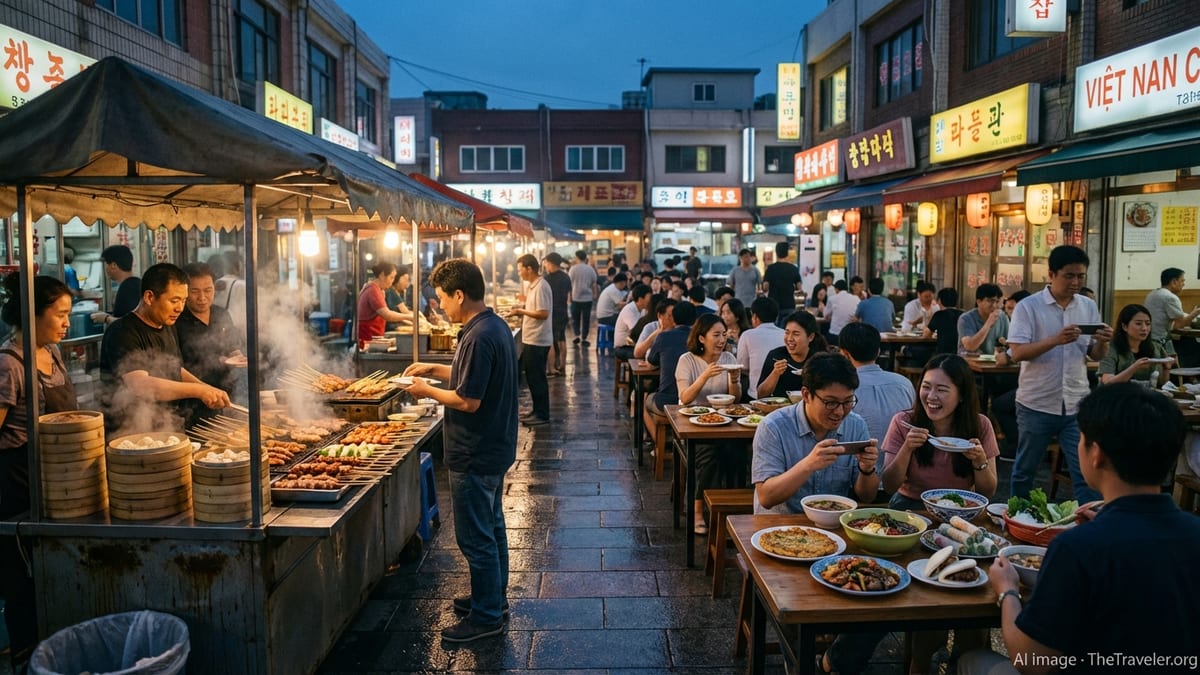
South Korea is the most obvious alternative for travelers who relish Japan’s blend of cutting-edge cities and deep-rooted traditions. Seoul’s dense neighborhoods deliver a similarly exhilarating mix of neon-lit streets, independent boutiques, art galleries and quiet temples. Yet even in the busiest districts, the mood tends to feel more spontaneous and less choreographed. Side streets are crowded with tiny eateries specializing in a single dish, from bubbling stews to charcoal-grilled meats, and late-night food culture is an integral part of city life.
From a culinary standpoint, Korea has spent more than a decade actively promoting its cuisine abroad through initiatives sometimes called kimchi diplomacy. The result is a confident, globally minded food scene at home. Barbecue restaurants, noodle houses and traditional markets are thriving, while young chefs experiment with regional recipes and fermentation techniques in contemporary dining rooms. Travelers who value the way Japanese cuisine celebrates seasonality will find a similar mindset in Korean home-style cooking, where banchan side dishes shift with the harvest and preserved foods are carefully laid down each year.
Beyond Seoul, travelers can find experiences that echo Japan’s combination of nature, spirituality and regional flavor. On Jeju Island, black pork barbecue, fresh seafood and tangerine orchards define the local table, while volcanic landscapes and coastal trails cater to hikers. In cities such as Gyeongju, often described as a museum without walls, ancient tombs, Buddhist temples and hanok houses bring Korea’s earlier kingdoms to life. Temple stay programs allow visitors to spend a night in working monasteries, joining dawn chanting and vegetarian meals that highlight simple, seasonal ingredients.
For those concerned about overtourism, timing and neighborhood choice matter. Seoul can be busy during cherry blossom and autumn foliage seasons, much as Tokyo and Kyoto are, but it is still relatively easy to step into residential pockets where tourism is secondary to daily life. Engaging with local guides, joining small-group food walks and seeking out lesser-known markets can create connections similar to those travelers often seek in Japan’s mom-and-pop izakaya and shotengai shopping streets.
Taiwan: Night Markets and Living Temple Culture
Taiwan is one of Asia’s standout food destinations, frequently ranked just behind or alongside Japan and South Korea in traveler surveys focused on cuisine. For visitors who love wandering Japanese depachika food halls or backstreet ramen alleys, Taiwan’s atmospheric night markets offer a parallel form of exploration. In Taipei, stalls steam, fry and grill everything from soup dumplings and scallion pancakes to oyster omelets and herbal broths, while vendors call out orders in a musical blend of accents and dialects.
What sets Taiwan apart is how closely food, religion and everyday sociability are intertwined. Temples are rarely just architectural showpieces. They are working spaces that host festivals, processions and family rituals, often accompanied by snacks and street food stands that cluster outside the gates. In cities like Tainan, often described as the island’s street food capital, visitors can move from incense-filled halls to noodle shops that have served the same dishes for generations. This easy exchange between sacred and secular spaces mirrors aspects of Japanese neighborhood shrines and seasonal matsuri, but with its own Taiwanese warmth and informality.
For travelers looking to escape crowds, Taiwan’s secondary cities and rural regions are especially rewarding. On the east coast, slower-paced communities are promoting local cuisine, indigenous heritage and outdoor activities without the intensity of a capital city. Tea-growing regions in the central mountains offer homestays, tastings and walking trails where visitors can learn how climate, altitude and craftsmanship shape oolong and other varieties. These experiences echo the quiet pleasure many travelers find in Japanese onsen towns and countryside ryokan, but with different flavors and stories.
English is widely used in Taiwan’s tourism infrastructure, and public transport is efficient, which makes independent travel straightforward. Prices for food and accommodation are generally lower than in Japan’s major cities, and portions tend to be generous. For visitors from North America and Europe weighing long-haul flights, Taiwan can be combined with other destinations in the region, such as South Korea or Vietnam, to create a multi-country itinerary that spreads travel impact while satisfying a broad appetite for Asian food and culture.
Vietnam: Heritage Cuisines and Everyday Craft
Vietnam has spent the past decade quietly establishing itself as one of Asia’s richest culinary landscapes, with a depth that rewards both first-time visitors and seasoned food travelers. Street-level dishes such as pho, banh mi and bun cha are just the entry point to a vast regional spectrum that stretches from herb-laden salads and grilled river fish in the north to coconut-rich curries and rice specialties in the south. Like Japan, Vietnam treats rice not just as a staple but as a foundation for numerous noodles, cakes and snacks, each associated with rituals and festivals.
Several regions in Vietnam are investing in tourism models that explicitly connect food, agriculture and cultural preservation. Craft villages near historic towns offer hands-on experiences in traditional pottery, weaving and organic farming, while long-established vegetable communities near coastal cities invite visitors to join in planting, watering and harvesting. These projects are designed to keep younger generations engaged in rural life by creating dignified, fairly paid roles in tourism, and they echo Japan’s ongoing efforts to revitalize countryside communities through farm stays and heritage trails.
Urban centers such as Hanoi and Ho Chi Minh City showcase a lively interplay between old and new. Cafes occupy restored shophouses, contemporary art galleries sit near temples and colonial-era buildings, and food entrepreneurs reinterpret family recipes with modern plating. Travelers who enjoy the juxtaposition of historical districts and modern design in Japanese cities will likely appreciate the way Vietnamese cities layer French, Chinese and local influences into their architecture and menus. Street food culture is intense but welcoming, and it is increasingly common to find small operators offering cleaner kitchens, clearer signage and basic English explanations without diluting local character.
From a practical perspective, Vietnam can be significantly more affordable than Japan for long stays, particularly when it comes to accommodation and everyday dining. High-quality meals at local restaurants often cost a fraction of what a comparable experience would in Tokyo or Osaka, which encourages experimentation. At the same time, travelers should be prepared for more variable infrastructure and traffic conditions, especially in big cities. Those willing to make small adjustments will find a country where food is central to identity, where elders still gather in traditional markets each morning and where young people are shaping new expressions of Vietnamese hospitality.
Thailand: Flavors, Festivals and Gentle Hospitality
Thailand is already known globally as a food lover’s paradise, but it remains a strong alternative for travelers who might otherwise gravitate toward Japan for its combination of food, culture and ease of travel. In Bangkok, the informal spirit of street food and night markets creates a very different rhythm from regimented Japanese dining, yet there is a similar reverence for balance in flavor and texture. Dishes are built around the interplay of spicy, sour, salty and sweet sensations, with fresh herbs, grilled meats and seafood, and tropical fruits appearing at almost every meal.
Beyond the capital, regional cuisines offer their own distinct identities. In the north, dishes such as khao soi, sai ua sausage and herbaceous dips reflect cooler climates and historical links with neighboring Myanmar and Laos. In the south, coconut-based curries, fiery relishes and vibrant salads draw on maritime trade routes and Muslim influences. Travelers who enjoy seeking out local specialties in Japan’s prefectures will find a similar sense of discovery in Thailand’s provinces, where markets and family-run restaurants are often the best places to taste recipes passed down through generations.
Thai culture emphasizes gentleness, flexibility and a relaxed approach to time, which can be both a contrast and a complement to the more formal social codes many visitors associate with Japan. Temples anchor city skylines and village life, hosting festivals that fill the streets with lanterns, flowers and offerings. Events such as Loy Krathong and Songkran attract large crowds, but outside of peak holiday periods it is still possible to find quieter corners and lesser-known temples where daily rituals unfold at a slower pace. Participating respectfully, whether by observing chants or making a simple offering, can provide the same sense of contemplation many travelers seek at Japanese shrines.
Tourism infrastructure in Thailand is extensive and well tested, making it easy to combine bustling cities with islands, national parks and small towns. Prices for mid-range hotels and meals remain competitive compared with Japan’s major hubs, particularly for travelers who are comfortable eating at local markets and traveling by train or bus. Sustainability remains a work in progress, and visitors can play a role by choosing smaller operators, supporting community-based tourism initiatives and being mindful of waste and water use in sensitive coastal and mountain environments.
Italy: Ritual, Seasonality and Everyday Beauty
For travelers based in Europe or North America, Japan’s distance and time zone can make a trip feel daunting. Italy provides a compelling alternative on a different continent, especially for those who are drawn to Japan’s meticulous approach to food, aesthetics and daily rituals. Italian cuisine shares with Japanese cooking a deep respect for seasonality and a belief that simple dishes, executed with care, can be transcendent. From regional pasta shapes and olive oils to local cheeses and wines, each area of Italy tells its own story through what appears on the plate.
In cities such as Bologna, Florence or Turin, markets play a role similar to that of Japanese neighborhood shopping streets, acting as both social hubs and barometers of the seasons. Shoppers exchange recipes with stallholders, morning espresso rituals shape the workday, and aperitivo hours serve as a daily pause where friends meet over small bites. Visitors who appreciate the formal choreography of a Japanese kaiseki meal may find echoes of that structure in Italy’s multi-course dinners, where antipasti, primi, secondi and dolci unfold at a leisurely pace.
Italian culture also offers a strong sense of craftsmanship and design that can resonate with admirers of Japanese artisanship. Historic centers and hill towns are filled with workshops where leatherworkers, glassmakers, ceramicists and tailors continue long-standing traditions, often now updated with contemporary twists. Many regions are investing in preserving these skills through cooperatives, festivals and open studio events that invite visitors to see processes up close. The tactile satisfaction of holding a hand-painted plate or custom-made notebook can be as memorable as bringing home a piece of Japanese pottery or lacquerware.
While parts of Italy struggle with overtourism, especially in iconic cities and coastal hotspots, there are still many areas where visitor numbers are modest relative to Japan’s major draws. Lesser-known regions offer high-quality food, deep historical roots and landscapes that invite slow travel, from vineyard-covered hills to quiet coastal villages. Choosing these secondary destinations, traveling outside of peak summer months and staying longer in each place can help travelers build the kind of intimate, neighborhood-based relationship with Italy that many once found in Japan’s smaller cities and towns.
Mexico: Regional Kitchens and Vibrant Street Life
Mexico may not immediately spring to mind as an alternative to Japan, but for travelers who prioritize food heritage, neighborhood markets and urban energy, it is a compelling choice. Mexican cuisine has been recognized by international cultural bodies as an intangible cultural heritage, underscoring the depth of techniques, ingredients and traditions embedded in daily cooking. As in Japan, many dishes are closely tied to specific regions, festivals and agricultural cycles, and recipes are often guarded within families or small communities.
Cities such as Mexico City, Oaxaca and Guadalajara anchor the country’s contemporary food movement. In Mexico City, sprawling markets display an astonishing variety of chilies, herbs and seasonal produce, while street vendors specialize in tacos, tamales and antojitos that locals line up for. Oaxaca, widely regarded as one of the country’s food capitals, is known for moles that require dozens of ingredients and days of preparation, as well as markets where chocolate is ground to order and heirloom corn varieties are sold by the sack. For travelers accustomed to Japan’s omnipresent convenience store snacks and bento counters, Mexico offers an equally abundant yet entirely different spectrum of quick, flavorful meals.
Mexican culture places enormous value on gathering to eat, celebrate and remember. Public plazas fill in the evenings with families and street performers, and festivals weave together indigenous, colonial and modern elements. The Day of the Dead, with its altars, ofrendas and cemetery vigils, is one of the most visible expressions of this blend, but smaller community festivals throughout the year are just as meaningful. Visitors who appreciate the symbolic layers of Japanese ceremonies, from tea gatherings to seasonal shrine visits, will find similar emotional depth in Mexican celebrations, even if the aesthetics could not be more different.
As with any large country, safety and infrastructure vary by region, so careful route planning and up-to-date information are essential. In many areas popular with international travelers, however, hospitality professionals are experienced in welcoming visitors, and boutique hotels, independent restaurants and cultural centers work together to create a robust local tourism economy. Food tours, cooking classes and market walks offer structured ways to dive into culinary culture while supporting small-scale producers and vendors.
Morocco: Souks, Spice Routes and Timeless Hospitality
Travelers who are drawn to Japan’s sense of otherness, where language, script and daily habits feel very different from home, may find a similar thrill in Morocco. From the medinas of Marrakech and Fes to coastal towns and desert oases, the country’s visual and sensory density is striking. Narrow lanes twist through markets selling spices, textiles, ceramics and metalwork, while calls to prayer mark the day as reliably as train announcements in Tokyo. Amid the bustle, Moroccan hospitality traditions help orient visitors, whether through a glass of mint tea on arrival or the offer of shared bread at a communal table.
Moroccan cuisine is layered and slow, often built around communal dishes meant for sharing. Tagines, couscous and long-simmered stews incorporate spices that once moved along historic trade routes, combined with seasonal vegetables, meats and preserved fruits. As in Japan, there is an art to hospitality that goes beyond recipes. Tableware is chosen with care, and meals often extend well beyond the moment of eating, encompassing conversation, music and the ritual of pouring tea. Travelers who enjoy the way Japanese hosts attend to small details in presentation will likely notice the same attentiveness in Moroccan homes and riad guesthouses.
Beyond the major cities, Morocco’s diverse landscapes offer opportunities for slow, immersive travel. Mountain villages in the High Atlas maintain strong craft traditions, including weaving and woodworking, and homestay-style accommodations are becoming more common. Coastal towns mix Portuguese, Berber and Arab influences, with seafood markets that feed both locals and visitors. Desert excursions, when arranged with reputable local operators, can highlight nomadic cultures and fragile ecosystems rather than reducing the landscape to a backdrop for quick photo stops.
Morocco’s proximity to Europe makes it relatively accessible for short and medium-haul trips, while its cultural codes and climate ensure that it feels very different from European destinations. Respectful dress and behavior, particularly around religious sites and during prayer times, are essential. Travelers who adapt to these expectations often find that doors open into courtyards, kitchens and workshops that reveal daily life far beyond the main tourist circuits.
The Takeaway
Japan will remain a magnetic destination for travelers who value culture and food, and for many it will always be worth the effort required to navigate crowds and rising costs. Yet the current wave of demand, and the pressures it places on local communities and environments, make this a good moment to widen the lens. South Korea, Taiwan, Vietnam and Thailand offer alternative ways to experience East and Southeast Asian cultures where food, etiquette and tradition shape daily life. Italy, Mexico and Morocco, though much farther from Japan in geography and history, deliver their own versions of seasonal cooking, craftsmanship and ritual that can satisfy similar travel desires.
Choosing one of these alternatives is not about substituting one country for another on a checklist. It is about clarifying what you most hope to experience on a culture and food focused trip, then finding places where those elements are alive and accessible today. Perhaps you are seeking the meticulous presentation and quiet respect for ingredients that define Japanese cuisine; you might find it echoed in a Korean temple meal, an Italian trattoria or a Mexican kitchen where masa is milled fresh each morning. Maybe you long for neighborhood festivals and a sense of seasonal rhythm; temple parades in Taiwan, lantern festivals in Thailand or winter celebrations in a small Italian town can all offer that same pulse.
By exploring beyond Japan, travelers help distribute tourism’s benefits more evenly and create room for serendipitous discoveries. Smaller markets, family-run restaurants and under-the-radar cultural institutions often depend on a steady but manageable flow of visitors to survive. When you choose a lesser-visited district or country, you not only gain more space to savor what is in front of you, you also contribute to a model of travel that gives host communities more agency.
In the end, the best alternative to Japan for culture and food is the place where your curiosity, values and appetite intersect. Whether that leads you to a lantern-lit alley in Seoul, a vegetable village in Vietnam, a trattoria in a quiet Italian hill town or a rooftop in Mexico City perfumed with grilling meats and lime, the world is still full of destinations where culture is lived rather than staged and where every meal tells a story.
FAQ
Q1. Which country is the closest match to Japan for food-focused travel?
South Korea is often the closest match, thanks to its sophisticated cities, deep food culture, efficient transport and the way everyday meals reflect regional and seasonal traditions.
Q2. Where can I find an alternative to Japanese street food and izakaya culture?
Taiwan and Thailand are excellent choices, with night markets, casual eateries and late-night dining scenes that offer the same sense of discovery and social buzz.
Q3. Which destination is best for travelers on a tighter budget?
Vietnam and parts of Thailand are generally more affordable than Japan for accommodation and food, while still offering rich cultural experiences and outstanding cuisine.
Q4. Is there a good non-Asian alternative to Japan for culture and food?
Italy is a strong non-Asian alternative, especially for its seasonal cooking, regional diversity, strong craft traditions and everyday rituals around coffee and shared meals.
Q5. What is a good option if I love Japanese aesthetics and craftsmanship?
Italy and Morocco both emphasize traditional craftsmanship, from ceramics and textiles to leather and metalwork, and many regions offer chances to visit working studios and workshops.
Q6. Which destination is best for vegetarian or plant-forward eating?
South Korea, Taiwan, Vietnam and Italy all offer abundant plant-forward dishes, especially if you seek out Buddhist temple meals, traditional markets and vegetable-focused regional cuisines.
Q7. How can I avoid overtourism when choosing an alternative to Japan?
Focus on secondary cities and rural regions, travel outside of peak holiday seasons and look for community-based tourism projects that directly support local residents.
Q8. Is it easy to travel independently in these alternative destinations?
Yes, most highlighted countries have good transport infrastructure and a growing tourism sector. Planning ahead and learning a few local phrases can further smooth the experience.
Q9. Can I combine Japan with one of these alternatives in a single trip?
Many travelers pair Japan with nearby countries such as South Korea, Taiwan, Vietnam or Thailand, using regional flights or ferries to create a broader Asia itinerary.
Q10. How do I decide which Japan alternative fits my travel style?
Start by listing what you value most, such as street food, temples, design, nature or nightlife, then choose destinations where those elements are central to daily life and visitor experiences.