

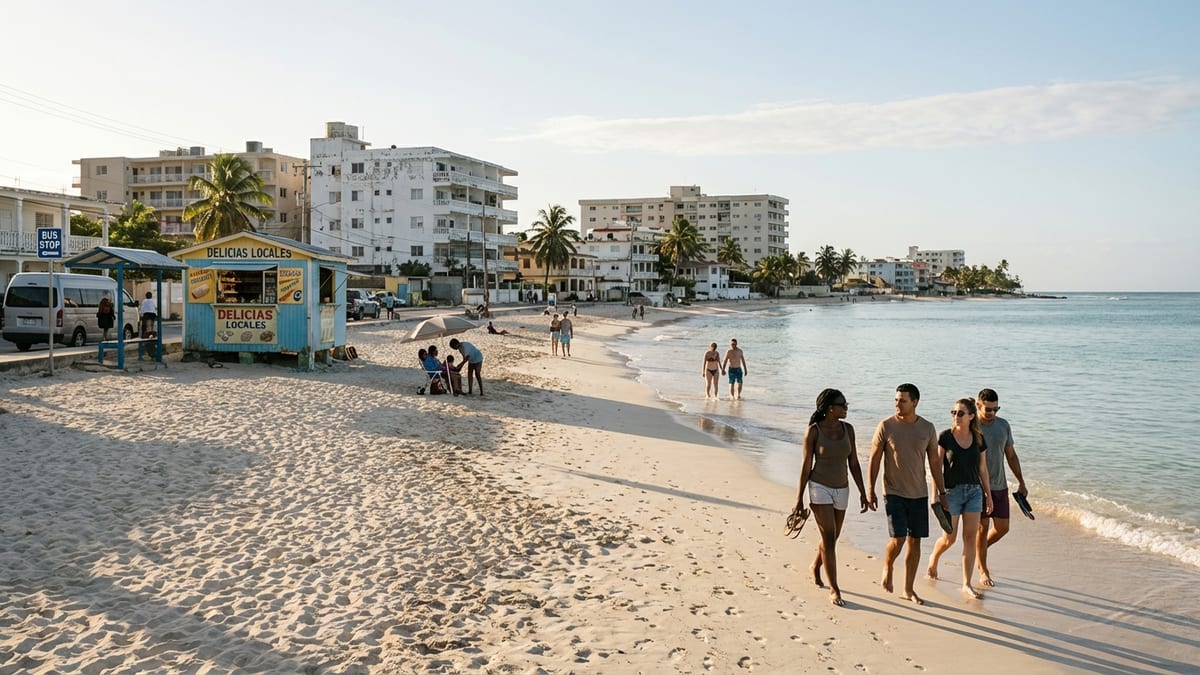
The Caribbean has long been a dream destination for U.S. travelers, but that does not mean every island requires a five-figure budget or an exhausting series of connections.
A growing web of nonstop routes from major U.S. hubs, plus intense competition among airlines and all-inclusive resorts, has pushed several islands into the “surprisingly affordable” category. From U.S. territories where you can skip the passport line to classic resort towns with bargain packages, there are plenty of ways to get turquoise water and powdery sand without wrecking your savings.
How to Choose a Budget-Friendly Caribbean Escape
Before zeroing in on specific islands, it helps to understand what actually makes a Caribbean destination budget friendly. Flight prices, resort density, local cost of living, and currency all play a role. For U.S. travelers, nonstop routes from large airports can shave hundreds of dollars off airfare and turn a long weekend into a realistic plan instead of a fantasy.
Some islands have built their economies around volume tourism, with a wide range of hotels, guesthouses, Airbnbs, and all-inclusive resorts that keep nightly rates competitive. Others entice visitors with low-cost local food, safe public transport, and walkable beach towns where you do not have to rent a car or rely on pricey taxis. As you compare destinations, think beyond the headline flight deal and consider what you will spend per day once you land.
The islands below stand out in early 2026 for a combination of relatively cheap direct flights from the U.S. and on-the-ground affordability. While prices always fluctuate by season and departure city, these destinations consistently appear near the top of recent “cheapest Caribbean” rankings and airfare reports.
Passport-Free Caribbean: U.S. Territories on a Budget
For U.S. citizens, America’s Caribbean territories offer one distinct financial advantage: you can visit without a passport, currency exchange, or international roaming plan. That simplicity saves time and money, especially for families and last-minute travelers. Add in frequent nonstop routes from the East Coast and Florida, and these destinations are among the easiest and cheapest Caribbean escapes for Americans right now.
San Juan & Beyond, Puerto Rico
San Juan routinely shows up as one of the lowest-priced Caribbean cities for round-trip flights from the U.S., with recent deal data highlighting under-average fares from the Northeast and Florida during winter and spring. Major carriers and low-cost airlines operate nonstop routes from New York, Newark, Boston, Miami, Fort Lauderdale, Orlando, Atlanta, Chicago, Dallas, and other hubs, which keeps prices competitive even during peak season.
Once you land, Puerto Rico is relatively budget friendly compared with many island nations. The U.S. dollar is the official currency, ride-share apps operate in San Juan and its suburbs, and there are accommodation options across the spectrum, from simple guesthouses and hostels in Old San Juan to midrange chain hotels in Condado and Isla Verde. If you are willing to stay a few blocks off the beach, nightly rates drop significantly. Local staples like mofongo, empanadillas, and lechon are widely available at roadside kiosks and family-run cafeterias for a fraction of resort restaurant prices.
Budget-minded travelers can stretch their stay by mixing city exploration with low-cost nature outings. Wander the colorful streets and massive fortifications of Old San Juan, hop a bus or shared ride to Condado Beach, or rent a car for a day to explore El Yunque National Forest. With no border control and domestic-style flight operations, Puerto Rico is arguably the most convenient and consistently affordable Caribbean destination for U.S. travelers.
St. Thomas, U.S. Virgin Islands
St. Thomas in the U.S. Virgin Islands ranks among the cheapest Caribbean airports to reach from several major U.S. cities, with average round-trip fares that frequently undercut better-known resort islands. Nonstop flights operate seasonally and year-round from Miami, Fort Lauderdale, Orlando, Atlanta, New York, Boston, Philadelphia, Chicago, and other gateways, concentrating competition on key routes and generating regular sales.
On the ground, St. Thomas can be as budget friendly or as splurge worthy as you make it. The island does have high-end resorts and yacht marinas, but independent travelers can trim costs by:
- Booking small hotels or vacation rentals in Charlotte Amalie or the east end instead of full-service resorts
- Using open-air “safaris” and shared taxis on major routes rather than private cabs
- Shopping at local supermarkets and enjoying casual barbecue shacks and bakeries rather than dining at hotel restaurants every night
Free and low-cost activities add to the value. Public beaches like Magens Bay charge only a small entry fee, and you can snorkel from shore at popular spots with your own gear. Ferry connections to neighboring St. John open up additional hiking and snorkeling opportunities without the need for another flight or an international border crossing.
Dominican Republic: All-Inclusive Value and Cheaper Fares
The Dominican Republic has become one of the Caribbean’s most aggressively priced destinations, both in terms of airfare and hotel packages. A dense network of all-inclusive resorts, robust competition among airlines, and a strong package-tour market from the U.S. and Europe work together to keep overall vacation costs down. Direct flights from numerous U.S. cities into multiple Dominican gateways give travelers flexibility on both price and airport choice.
Punta Cana
Punta Cana is the Dominican Republic’s poster child for value-focused Caribbean vacations. Recent airfare analysis shows frequent sales on nonstop routes from Miami, Fort Lauderdale, Orlando, Atlanta, New York, Boston, Chicago, and other cities, with some round trips pricing below what many domestic U.S. beach destinations now command. Low-cost carriers and full-service airlines compete head-to-head here, regularly discounting fares during shoulder seasons and midweek travel windows.
On arrival, most travelers head straight to the string of large-scale all-inclusive resorts along Bavaro Beach and beyond. These properties leverage size and volume to offer bundled packages that combine flights, transfers, lodging, meals, and often activities at a per-night rate that undercuts booking everything separately. For budget travelers, the key is to:
- Target off-peak months such as May, early June, September, and October
- Watch for flash sales from airlines and package operators
- Accept a more basic room category in exchange for prime beachfront locations
Those who prefer more independent travel can still find guesthouses and small hotels in nearby towns, but Punta Cana’s greatest strength for budget seekers lies in its sheer volume of competitively priced resorts and flights.
Puerto Plata
On the Dominican Republic’s north coast, Puerto Plata offers a more low-key and often cheaper alternative to Punta Cana. It benefits from direct flights out of several U.S. cities, particularly in the Northeast and Florida, though frequencies are generally lower than into Punta Cana. When sale fares hit, however, Puerto Plata can be one of the best-value Caribbean gateways, especially for travelers flexible on dates.
The region’s mix of older all-inclusive resorts, midrange seaside hotels, and apartment-style lodging in towns such as Sosúa and Cabarete gives visitors a wide spread of price points. Locally owned restaurants and street vendors help keep food costs reasonable. Activities from cable car rides up Mount Isabel de Torres to beach days in Cabarete and surfing lessons in nearby breaks are typically priced lower here than in more famous resort hubs.
For travelers seeking a balance of affordability, local culture, and access to both beaches and mountains, Puerto Plata is a compelling option that often flies under the radar compared with Punta Cana.
Santo Domingo
The Dominican capital, Santo Domingo, is an urban gateway that combines historical interest with some of the lowest flight prices into the country. Nonstop routes from New York, Newark, Miami, Fort Lauderdale, and Orlando are common, and fares can dip noticeably below those to beaches during sales and midweek departures.
Because the city is not a pure resort destination, nightly hotel costs are often lower, particularly in neighborhoods outside the Colonial Zone. Budget and midrange hotels, hostels, and apartment rentals cater to business travelers and locals as much as tourists, keeping prices grounded. Public transportation and ride-share services are widely used and inexpensive compared with many Caribbean islands that rely heavily on taxis.
Travelers who are comfortable with an urban base can pair a few days in Santo Domingo with inexpensive bus or car trips to nearby beach areas, such as Boca Chica or Juan Dolio, making the most of cheap city lodging and local transit.
Jamaica: Classic Caribbean on a Budget
Jamaica has a long-established tourism industry that spans everything from world-famous all-inclusives to intimate guesthouses. That scale translates into steady competition on both flights and hotel rates. Recent coverage of the most affordable Caribbean islands frequently cites Jamaica, particularly outside of peak holiday weeks, and nonstop routes from dozens of U.S. airports make it one of the easiest islands to reach on a budget.
Montego Bay
Montego Bay is Jamaica’s busiest air gateway for tourists, with direct flights from major hubs such as Miami, Fort Lauderdale, Orlando, Atlanta, Charlotte, Dallas, Houston, Chicago, New York, Newark, Boston, Baltimore, and others. Airlines from full-service legacy carriers to Southwest and low-cost players help keep average round-trip fares competitive, especially in late spring and fall.
Travelers on tight budgets often favor Montego Bay for several reasons:
- A large inventory of hotels, from basic inns to upscale all-inclusives
- Easy access to beaches like Doctor’s Cave within a short taxi ride from the airport
- Local food options, including jerk centers and casual cookshops, at modest prices
Those who want an all-inclusive experience can find entry-level packages that include meals and drinks at lower nightly rates than many Caribbean competitors. Independent travelers can cut costs further by staying in guesthouses or family-run hotels away from the main drag, using route taxis, and eating where locals eat rather than at hotel buffets.
Ocho Rios and the North Coast
While there are fewer direct flights to Ocho Rios itself, many visitors fly into Montego Bay and travel overland along the north coast, where resort-heavy towns like Ocho Rios and Runaway Bay offer solid value. Package operators frequently bundle charter-style flights into Montego Bay with transfers and stays at properties in these areas, which can lower per-night costs compared with booking a premium boutique hotel in a more secluded stretch of coastline.
Budget-conscious visitors can find competitively priced excursions to Dunn’s River Falls, river tubing, and local markets. Street food such as patties, roasted corn, and festival keeps daily expenses reasonable. The key is to avoid the busiest holiday weeks and spring-break peaks, when rates spike sharply across the island.
Negril
On Jamaica’s western tip, Negril’s famous Seven Mile Beach remains a magnet for travelers who want long, swimmable sands and a more relaxed feel than the large resort strips. While there are no direct flights into Negril, affordable shuttle services and route taxis from Montego Bay keep transfer costs manageable.
The town’s mix of small inns, rustic beach cabins, and independent restaurants gives visitors options beyond all-inclusive compounds. Many properties along Seven Mile Beach and the cliffs area have simple rooms without extensive amenities, which helps keep nightly rates lower. Happy-hour drink specials, beach bars with live music, and sunset-watching from the cliffs offer that classic Caribbean vibe without a luxury price tag.
Puerto Rico’s Lesser-Known Gateways
Beyond San Juan, secondary cities in Puerto Rico are appearing on “cheapest Caribbean flights” lists, especially from Northeast airports. These destinations can provide a quieter, more local feel while still benefiting from U.S. domestic travel rules and pricing structures.
Ponce
Ponce, on Puerto Rico’s southern coast, has drawn attention for comparatively low fares from New York in recent airfare rankings. Budget-friendly carriers operate nonstop routes at select times of year, and when those flights are available they can come in below typical San Juan fares, especially during sales.
The city itself is less touristy than San Juan, with a historic center, neoclassical architecture, and a waterfront district that has seen ongoing improvements. Accommodations tend to be smaller hotels and guesthouses rather than large resorts, helping keep nightly costs moderate. Travelers can rent a car to reach nearby beaches and nature reserves that see fewer crowds than the island’s more famous northern shores.
Smaller Towns and Regional Airports
Occasionally, regional airports beyond San Juan and Ponce see promotional fares from individual carriers, particularly during new-route launches. While these deals can be fleeting, flexible travelers willing to build itineraries around them may find especially low entry prices into more rural corners of Puerto Rico. Because overland travel is relatively straightforward and fuel costs are on par with U.S. averages, combining a cheap flight into one city with a road trip loop around the island can be a cost-effective way to explore multiple regions in a single trip.
Southern Caribbean Gems with Surprising Value
Not all budget-friendly Caribbean destinations sit right off Florida’s coast. A few farther-flung islands in the southern Caribbean have emerged as relative bargains in recent years, thanks to new or expanded nonstop flights and competitive lodging rates. While airfare is typically higher than to closer islands, moderate on-the-ground costs and frequent promotions can make the overall trip surprisingly affordable.
Aruba
Aruba, branding itself as “One Happy Island,” has a reputation for consistent sunshine and well-developed tourist infrastructure. It is not always the cheapest island for nightly hotel rates, but it balances that out with:
- Frequent nonstop flights from Miami, Fort Lauderdale, Orlando, Atlanta, New York, Newark, Boston, Philadelphia, Charlotte, and other major cities
- Regular airfare sales, especially outside Christmas and school breaks
- Moderate food and transport costs when you eat in local restaurants and use public buses or shared transfers
Midrange hotels near Eagle Beach and Palm Beach, along with apartment-style properties a few blocks inland, help keep total accommodation costs within reach. Open-access beaches let you enjoy the best stretches of sand even if you are not staying at the largest resorts. Because Aruba sits outside the main hurricane belt, shoulder-season visits in late summer and early fall can offer attractive value for travelers looking to sidestep both storms and peak prices elsewhere.
Curaçao
Curaçao has been gaining traction among value-focused travelers as more airlines evaluate and add nonstop routes from the U.S. Recent data show relatively competitive fares from the New York area, especially during late spring and fall travel periods, with promotional round-trip prices occasionally dipping well below historic norms.
Once in Willemstad, visitors find a walkable capital city with apartment rentals and small hotels sprinkled among the candy-colored Dutch colonial buildings. Self-catering accommodations are common, allowing travelers to use local supermarkets and cook some meals. Car rentals are reasonably priced compared with some resort-heavy destinations, and public beaches on the island’s western side deliver clear water and excellent snorkeling at minimal cost beyond basic entry or parking fees.
Although Curaçao is farther south than many casual beachgoers initially consider, those extra miles can translate into better deals at times when closer islands are sold out or commanding peak rates.
Trinidad (Port of Spain)
Port of Spain, capital of Trinidad and Tobago, appears in several recent rankings of affordable Caribbean airports, thanks to its combination of relatively low average round-trip fares and multiple nonstop connections to the U.S. Carriers link the city directly with Miami, Fort Lauderdale, Orlando, New York, Houston, and other gateways, with both full-service and low-cost airlines in the mix.
Unlike many beach-focused islands, Trinidad’s appeal is mostly cultural and culinary, especially outside the carnival period when prices spike. Visitors can enjoy:
- Street food such as doubles and roti at very modest prices
- Guesthouses and small hotels catering to both regional business travelers and tourists
- Easy access to nature, including bird-watching in the Caroni Swamp and hikes in the Northern Range
Because Trinidad is less reliant on tourism than many Caribbean economies, prices for day-to-day expenses often feel closer to those of a midrange Latin American city than a classic resort island. For travelers more interested in culture, music, and food than all-inclusive beach time, Port of Spain can be a compelling and cost-effective base.
Smart Strategies to Keep Caribbean Costs Down
Even the cheapest Caribbean destination can feel expensive if you travel at the wrong time or book everything last minute. Conversely, slightly pricier islands can become affordable with flexible timing and a few planning tricks. Whatever destination you choose, a handful of strategies can help you lock in better value.
Travel in Shoulder Seasons
Caribbean high season runs roughly from late December through March, with smaller peaks around U.S. school holidays and holiday weekends. Shoulder seasons in April, May, early June, September, and early November often bring a combination of:
- Lower airfares due to reduced demand
- Discounted hotel and resort rates
- Fewer crowds at beaches and attractions
While hurricane season runs from June through November, some southern Caribbean islands see fewer direct impacts, and many properties offer generous change policies during this period. Travel insurance with weather-related coverage can add a layer of protection without greatly increasing total trip cost.
Use Flight Deal Alerts and Flexible Dates
Because airfare can be the single largest line item in a Caribbean budget, tracking price trends and using fare alerts from deal services or airline programs is crucial. Flying midweek instead of on Fridays or Sundays, choosing an early-morning or late-night departure, and being open to different U.S. departure airports can all yield significant savings.
When comparing islands, look at the total trip cost rather than just the nightly hotel rate. A slightly more expensive resort on an island with very cheap nonstop flights may still undercut a bargain hotel on an island that requires an expensive or multi-stop itinerary.
Balance All-Inclusives With Independent Stays
All-inclusive resorts dominate certain islands and can be very good value, especially for families or travelers who prefer predictable costs. However, independent stays often open up more local experiences and sometimes lower prices. One approach is to split the trip:
- Spend a few nights in a city or town at a guesthouse or apartment rental
- Finish with three or four nights at an all-inclusive to relax without worrying about daily expenses
This hybrid strategy allows you to sample local food and culture without committing your entire budget to resort pricing, while still enjoying a few days of “wallet-free” leisure at the end.
Save on the Ground
On almost every island, there are consistent ways to trim daily costs:
- Eat where locals eat: look for food trucks, market stalls, and small diners a block or two off the waterfront
- Use public transport, shared taxis, or local buses where safe and practical
- Choose activities that make the most of natural assets such as beaches, waterfalls, and hiking trails rather than high-priced tours every day
- Book excursions directly with local operators instead of always through your hotel, when appropriate
These choices add up over a week or more, often making the difference between an over-budget trip and one that comes in comfortably under your spending plan.
The Takeaway
Budget-friendly Caribbean travel in 2026 is less about chasing one “cheapest island” and more about aligning your departure city, travel dates, and style with the right destination. Puerto Rico and the U.S. Virgin Islands stand out for passport-free convenience and domestic-style pricing. The Dominican Republic continues to deliver big value through its dense network of all-inclusives and highly competitive airfares. Jamaica, Aruba, Curaçao, and Trinidad offer rich culture and varied landscapes at prices that can rival or beat many domestic beach vacations when you time things right.
By prioritizing nonstop flights from your nearest major airport, targeting shoulder seasons, mixing independent stays with selective resort nights, and living a little more like a local once you land, you can enjoy a classic Caribbean escape without elite-level spending. The islands highlighted here are a smart place to start planning that next sun-soaked getaway, whether you are dreaming of a quick long weekend or a longer winter escape.
FAQ
Q1: What is generally the cheapest Caribbean destination with direct flights from the U.S. right now?
San Juan in Puerto Rico and major Dominican Republic gateways such as Punta Cana and Santo Domingo frequently rank among the cheapest options, thanks to high flight frequency, competition among airlines, and a large stock of hotels and all-inclusives that keep package prices low.
Q2: Do I need a passport to visit Puerto Rico or the U.S. Virgin Islands?
U.S. citizens do not need a passport to fly between the mainland United States and Puerto Rico or the U.S. Virgin Islands, as these are U.S. territories. A government-issued photo ID is sufficient for air travel, which can make these destinations simpler and cheaper to visit.
Q3: How far in advance should I book flights to get the best Caribbean deals?
For peak winter and holiday travel, booking three to six months in advance often yields the best combination of price and schedule. For shoulder-season trips, deal alerts sometimes surface attractive fares one to three months before departure, especially from major hubs with multiple carriers competing on the same route.
Q4: Are all-inclusive resorts really cheaper than booking everything separately?
They can be, especially for travelers who would otherwise spend heavily on food, drinks, and activities. In destinations like Punta Cana, Montego Bay, and parts of Mexico and the Dominican Republic, entry-level all-inclusives often beat the combined cost of a midrange hotel plus restaurant dining. However, travelers who eat lightly, drink little alcohol, or prefer local eateries may save more with independent stays.
Q5: When is the most budget-friendly time of year to visit the Caribbean?
Outside of major holidays, the most budget-friendly windows are typically late April through early June and September through early November. During these periods, both airfare and hotel rates often drop, though travelers should keep an eye on weather forecasts and consider travel insurance during the Atlantic hurricane season.
Q6: Which U.S. departure cities usually have the cheapest nonstop flights to the Caribbean?
Airports in Florida and the Northeast often see the most competitive nonstop fares, particularly Miami, Fort Lauderdale, Orlando, New York area airports, and sometimes Atlanta. These hubs serve multiple Caribbean islands with frequent flights, giving airlines room to run promotions and undercut competitors.
Q7: How much should I budget per day once I arrive in a budget-friendly Caribbean destination?
Daily budgets vary by island and travel style, but in many of the destinations highlighted, independent travelers who avoid luxury resorts can often manage on roughly a moderate U.S. city budget. That might cover a simple guesthouse, local meals, basic transport, and a couple of paid activities each week. All-inclusive stays will have higher upfront nightly costs but include most daily expenses.
Q8: Are there safety concerns with choosing cheaper Caribbean islands?
As in any region, safety levels vary by country, city, and even neighborhood. Budget-friendly does not automatically mean unsafe, but travelers should read up on current conditions, follow local advice, avoid isolated areas at night, and use common-sense precautions. Staying in established tourist zones and vetted accommodations can reduce risk while still keeping costs reasonable.
Q9: Is it worth renting a car to save money on transportation?
Renting a car can be cost effective on larger islands such as Puerto Rico, Jamaica, or Curaçao, especially if you plan to explore extensively or travel with a group. On smaller islands or in dense resort areas, taxis, shuttles, and local buses may be cheaper and easier. Always factor in insurance, fuel, and parking costs before deciding.
Q10: How can I avoid hidden costs that blow up my Caribbean budget?
Read the fine print on resort fees, mandatory service charges, and taxes, and ask whether airport transfers, Wi-Fi, and amenities are included in your rate. When booking excursions, confirm whether equipment rental, park entry fees, and tips are extra. Setting a daily cash allowance for discretionary spending and tracking it can help you stay within your overall budget.