


Remote, windswept and ringed by low fells and pine forest, Lake Inari in Finnish Lapland feels like the end of the road in the best possible way. At more than 1,000 square kilometers, this vast Arctic lake is a gateway to Sámi culture, northern lights viewing and true wilderness. Whether you visit in the glow of the midnight sun or under polar night skies, choosing the right tours and cruises around Lake Inari can turn a short stay into a once‑in‑a‑lifetime journey.
Get the latest updates straight to your inbox!
Why Lake Inari Is Different From the Rest of Lapland
Lake Inari sits well above the Arctic Circle, north of the more famous resort towns of Rovaniemi and Levi. That extra distance brings darker skies for aurora viewing, a quieter tourism scene and a stronger everyday presence of Sámi culture. Instead of giant holiday villages, the main hub is the small village of Inari, where fishing boats still line the shore and reindeer wander through backyards in winter.
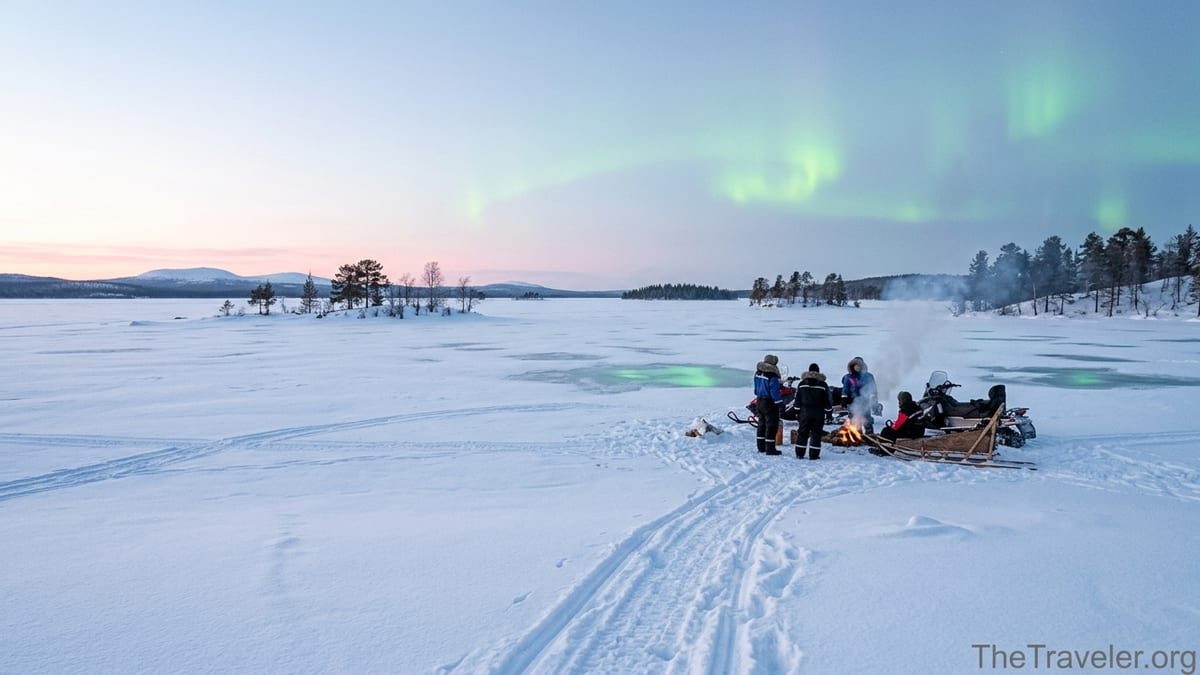
The lake itself is dotted with more than 3,000 islands and framed by wilderness areas such as Vätsäri and Muotkatunturi, which stretch toward the Norwegian border. Out on the water you quickly lose sight of roads and houses; in winter the frozen surface becomes a white desert crisscrossed by snowmobile tracks and ski trails. Many tours take advantage of this emptiness, from silent boat cruises that weave between forested islets in summer to snowmobile safaris that cross the ice in January.
Another key difference is the cultural depth. Inari is one of the main centers of Sámi life in Finland, home to the Sámi Parliament and the Siida museum. Many of the area’s most interesting experiences are Sámi‑owned or Sámi‑led, and several lake cruises and reindeer visits deliberately include stories about traditional livelihoods, languages and land use. Travelers who value authenticity over spectacle tend to find Inari more rewarding than the busier parts of Lapland.
At the same time, infrastructure has quietly improved. Companies based in Inari and nearby Ivalo now run year‑round tours, from small‑group aurora chases by van to summer cruises and winter overnight adventures on the ice. You can expect heated changing rooms, thermal suits and modern safety gear, but still travel in very small groups compared with the mass excursions further south.
Classic Lake Inari Cruises to Book in Summer
From June to early September, Lake Inari is open water and the focus shifts to boat tours and island visits. One of the most established options is the scheduled Lake Inari cruise program run out of Inari village, typically operating from early summer until the first autumn frosts. Departures generally last around two to three hours and explore the labyrinth of nearby islands, often including a landing at Ukko Island, an important sacred site for the Inari Sámi where rock cliffs rise straight from the lake.
On these cruises you travel in covered, heated boats with indoor seating and a small outdoor deck. Commentary tends to cover both natural history and culture, from how the lake freezes and thaws each year to how local people once paddled between fishing grounds and church sites. Prices for scheduled summer cruises commonly sit in the region of 60 to 90 euros per adult, with discounts for children and family packages. Operators usually provide flotation vests and basic safety gear; in cooler weather you will want a warm jacket and hat even in July because the wind can be sharp on the water.
For a more intimate experience, small outfits such as Arctic Crusade operate private or small‑group boat tours on Lake Inari, often with a maximum of six to eight guests. These trips can be tailored to your interests: birdwatching in sheltered bays, a focus on fishing, or an extended picnic stop on a remote island. Expect to pay noticeably more per person than a large‑boat cruise, but you gain flexibility and time to linger for photos or quiet moments without a timetable pressing you on.
Evening cruises are particularly atmospheric in late August and early September, when the nights begin to darken and the first aurora displays sometimes flicker above the northern horizon. Some summer packages combine a short cruise with a simple lakeside dinner, giving you a taste of the water without committing to a long outing. When booking, always check what is included: some tours provide coffee and snacks, others offer a full Lappish meal, and a few are transport‑only with no catering.
Winter: Frozen Lake Safaris, Aurora Hunts and Mobile Cabins
Once temperatures drop in late November or December, Lake Inari gradually freezes into a near‑endless ice sheet. Instead of boats, tour operators shift to snowmobiles, sleds and specially designed mobile cabins that can be towed out onto the lake. This season is all about Arctic light: blue midday twilight, frosted forests and long nights under the aurora.
Several local companies operate snowmobile safaris that cross the frozen lake to wilderness islands or private “aurora camps.” A typical half‑day program from Ivalo or Inari includes hotel pick‑up, safety briefing, thermal clothing, a snowmobile shared by two guests and a guide leading the way along marked tracks across the ice. One example is a snowmobile and reindeer experience that travels from Ivalo along the Ivalo River onto Lake Inari, then continues to a reindeer enclosure for a short sleigh ride and fireside snacks. Prices for such combined experiences usually start around 180 to 230 euros per adult, depending on duration and inclusions.
For a more unusual night on the lake, look at the mobile aurora cabins anchored a couple of kilometers off Inari village. These compact, heated cabins are towed by snowmobile to a dark‑sky spot on the ice, away from shore lights. Inside you will usually find a double bed, large windows facing north, and sometimes a glass roof section so you can watch for northern lights without stepping outside. Packages often include transport, dinner in the cabin or in a nearby hut, and breakfast back on shore. Prices vary by season and provider, but it is sensible to budget several hundred euros per night for this kind of exclusive experience.
Tour operators and booking platforms now bundle overnight Lake Inari stays into broader northern lights packages that may also include husky sledding, snowshoe hikes and hotel nights in glass‑roofed aurora cabins on the lakeshore. A typical three or four night Inari aurora package sold through Scandinavian specialists might combine a dogsled excursion across frozen forest tracks, an evening snowmobile ride on the lake and at least one dedicated aurora hunt by vehicle or boat, giving you multiple chances to see the lights even if one night is cloudy.
Husky, Reindeer and Snowmobile Experiences Around Lake Inari
Many visitors want to balance time on the lake with classic Lapland activities such as husky sledding and reindeer encounters. Around Inari and the nearby town of Ivalo, several firms run half‑day and evening programs that stay within easy reach of Lake Inari while venturing into the surrounding forests and fells.
Husky safaris are widely available from December through March, conditions permitting. A standard two‑hour safari from Ivalo or Inari commonly costs around 180 to 220 euros per adult and includes transfers, winter clothing, a kennel visit and about an hour of actual sled driving. You usually ride two per sled, taking turns driving behind a small team of dogs along forest trails, sometimes skirting the lake shore or crossing inlets of ice. Longer safaris and multi‑day trips exist for more adventurous travelers, with overnight stays in simple cabins and full days behind the sled.
Reindeer excursions tend to be quieter and more culturally focused. In the Inari area, tours often combine a short sleigh ride with a visit to a family‑run reindeer farm, where you can learn about herding traditions and feed the animals. Prices for a three‑hour visit starting in the Inari or Saariselkä region often fall in the 150 to 190 euro range per adult. Unlike in some very busy resorts further south, groups here are generally small, and the emphasis is more on conversation and context than on rapid‑fire rides.
Snowmobile tours are another staple. Companies serving Ivalo, Inari and Saariselkä run everything from beginner‑friendly two‑hour loops to full‑day adventures that cross Lake Inari and head into nearby wilderness areas. A short introductory safari suitable for first‑timers might cost around 140 to 170 euros per person, including fuel, helmets and thermal suits. For any engine‑based activity on the lake, confirm in advance that your guide uses official routes and respects local reindeer herding zones, as the wider region is also a working landscape for Sámi communities.
Immersive Sámi Culture, Museums and Guided Walks
One of the most rewarding ways to experience Lake Inari is through its people. The Inari region is a historic home of several Sámi groups, including the Inari Sámi, who have lived around the lake and its islands for centuries. Rather than treating Sámi culture as a photo opportunity, the best tours build in time for conversation, questions and visits to places of contemporary importance.
An obvious starting point is the Siida museum and Sámi cultural center in Inari village. While not a tour in itself, it anchors many itineraries and offers exhibits on traditional livelihoods, languages, seasonal migrations and the natural history of the lake. Several local guides encourage guests to visit Siida first, then join them for an evening aurora walk or storytelling session, which can bring the displays to life in a landscape setting.
Sámi‑led reindeer experiences are another highlight. Some herding families near Inari invite small groups to their home areas, where guests can sit in a lávu tent, share coffee around an open fire and hear personal stories about balancing modern life with reindeer work and tourism. These visits may or may not include short sleigh rides, but the focus is usually on relationships with the land, seasonal rhythms and the pressures that increased tourism can place on grazing grounds.
There are also guided walks and snowshoe hikes that introduce the forests and fells surrounding Lake Inari through a Sámi lens. On these outings you might learn about traditional uses of plants, see traces of earlier settlement or hear local views on current debates around development and conservation. Travelers who value context over adrenaline often find that one or two such experiences shape their understanding of the lake as much as any aurora display.
Planning Tips, Seasons and Choosing the Right Operator
Choosing the best Lake Inari experiences starts with timing. From June to early September you can expect open water, boat cruises, fishing trips and long evenings under the midnight sun or soft twilight. Late September and October bring colorful autumn foliage, cooler temperatures and a mix of late‑season cruises and early northern lights outings by car or on foot. Winter high season generally runs from December through March, when the lake is reliably frozen and most snow‑based activities operate at full strength.
If your main goal is to see the northern lights, consider planning between late August and early April, when nights are dark enough. Around the equinoxes in September and March you have a balance of reasonable daylight and strong aurora activity, though weather can be variable. Deep winter in January and February offers the most reliably dark skies but also the coldest temperatures, with windchill on the lake feeling far below freezing. Booking at least one guided aurora tour early in your stay can help you understand local sky conditions and escape any patchy clouds over your hotel.
When comparing operators, look at group size limits, safety standards and approach to the environment. Smaller outfits may cost more but often cap groups at eight to ten guests, which makes a big difference on an aurora chase or boat tour. Ask how guides manage light pollution on the lake, whether they avoid sensitive reindeer grazing areas and how they handle extreme cold. It is also worth checking cancellation policies related to weather: tours on the lake may be postponed if ice conditions are not yet safe early in the season or if storms create white‑out conditions.
Accommodation choices can shape your experience as much as tours. Inari village has lakeside hotels, simple cabins and a few higher‑end options with aurora cabins or large picture windows facing north. Some travelers base themselves in Ivalo, 30 to 40 minutes away by road, then join day tours that reach the lake. If you are keen to maximize time actually on Lake Inari, staying in Inari itself or at a dedicated lakeshore resort will reduce transfer time and make it easier to catch late‑night aurora alerts from your guides.
Responsible Travel on and Around Lake Inari
Lake Inari’s remoteness is a big part of its appeal, but it also means the ecosystem is fragile. The lake and surrounding forests support reindeer herding, small‑scale fishing and a wide range of wildlife, from trout and whitefish in the water to eagles and owls in the skies. As visitor numbers grow, local voices have raised concerns about unchecked development and noise disturbing both animals and traditional livelihoods in the wider region of northern Lapland.
As a traveler, you can help by choosing operators who demonstrate clear respect for Sámi land use and local regulations. On snowmobile and husky tours, that means sticking to established tracks rather than blazing new ones across the lake or through forest. On boat trips, it involves avoiding nesting sites during sensitive periods and keeping rubbish strictly off the islands. Many companies already brief guests carefully on these points; if your operator does not, feel free to ask how they minimize their impact.
Supporting Sámi‑owned or Sámi‑led experiences where possible also keeps more tourism income in local hands and helps sustain cultural initiatives around language and heritage. Simple choices, such as visiting Siida, dining at locally run restaurants that serve regional ingredients or buying handicrafts directly from artisans rather than from generic souvenir shops, all contribute to a more balanced tourism economy.
Finally, remember that aurora hunting and Arctic adventures depend on a stable winter climate. While one trip will not make or break the environment, traveling in a considered way, avoiding unnecessary helicopter or long snowmobile add‑ons and respecting seasonal closures can help ensure that Lake Inari remains wild and quiet for future visitors and for the communities who call it home.
The Takeaway
Lake Inari is not a theme park version of the Arctic. It is a large, living landscape where boats still ferry locals to island cabins in summer and snowmobiles share frozen tracks with reindeer in winter. For travelers willing to go a little farther north, the reward is a combination of big skies, modest group sizes and a deeper connection to Sámi culture than you will find in many more commercialized Lapland resorts.
The best Lake Inari tours and cruises build on that character rather than fighting it. In summer, that might mean a quiet evening cruise to Ukko Island with a local guide. In winter, it could be an overnight stay in a mobile aurora cabin on the ice, a husky safari that skims across frozen bays or a simple snowshoe walk under the stars with stories about how people once navigated these same forests long before GPS.
Whichever experiences you choose, allow at least three nights in the area to account for weather changes and to sample more than one side of the lake. Combine time on the water or ice with a visit to Siida, a conversation with a reindeer herder and a slow walk through the village, and Lake Inari will feel far more than just a destination for checking the northern lights off a list.
FAQ
Q1. When is the best time of year to visit Lake Inari for cruises and tours?
For open‑water cruises and island visits, aim for June to early September when the lake is ice‑free and boat schedules are frequent. For frozen‑lake safaris and northern lights hunting, the main season runs from December to March, with aurora possible from late August to early April whenever skies are dark and clear.
Q2. How many nights should I stay in the Lake Inari area?
Plan a minimum of three nights to balance travel time, weather and activity options. This gives you several chances to see the northern lights, time for at least one lake‑focused tour and room in the schedule for husky or reindeer experiences without feeling rushed.
Q3. Do I need previous experience to join snowmobile or husky tours on Lake Inari?
No previous experience is required for standard tourist safaris. Guides provide safety instructions and practice runs before setting off, and most trips pair guests two per snowmobile or sled so you can take turns driving. Operators supply helmets and thermal clothing; you just need to follow instructions carefully and dress warmly underneath.
Q4. Are Lake Inari aurora tours worth booking if I can see the sky from my accommodation?
Aurora can sometimes be visible from lakeside hotels or cabins, but guided tours increase your chances by taking you away from local cloud cover and light pollution. Good guides monitor forecasts, move quickly between viewpoints and explain how to read the sky, which can be especially valuable if you have only a few nights in the area.
Q5. How cold does it get on Lake Inari in winter and what should I wear?
Mid‑winter temperatures around Lake Inari often drop well below freezing, and wind on the lake can make it feel significantly colder. Wear multiple insulating layers, a windproof outer shell, warm gloves, a thick hat and wool socks. Most operators supply an additional thermal overall and winter boots for snowmobile, husky and lake‑based tours.
Q6. Can children join Lake Inari cruises and Arctic activities?
Yes, many summer cruises and some winter activities welcome children, often with reduced prices. Age and height limits vary by operator, especially for snowmobile driving and sitting in sleds in very cold conditions, so always check specific tour requirements and consider whether your child can cope with low temperatures and late nights.
Q7. Is it necessary to rent a car to enjoy Lake Inari tours?
Not necessarily. Many tour companies based in Inari and Ivalo include hotel pick‑up and drop‑off for their activities, which works well if you stay in or near the main villages. A rental car gives you extra flexibility to explore viewpoints on your own between tours, but it is not essential if you plan to rely mainly on organized excursions.
Q8. How far in advance should I book Lake Inari experiences?
For peak winter weeks around Christmas, New Year and local holidays, it is sensible to book key tours and accommodation several months ahead. In early and late winter, as well as during much of summer, you can often find availability closer to your arrival, though popular small‑group aurora and husky tours may still sell out on certain nights.
Q9. Are Lake Inari tours suitable for travelers with limited mobility?
Accessibility varies considerably by operator and activity. Some larger summer cruise boats can accommodate guests with limited mobility and offer stable boarding ramps, while winter activities on snow and ice are more challenging. If mobility is a concern, contact tour providers in advance to discuss specific needs and possible adaptations.
Q10. How can I choose more responsible and culturally respectful tours around Lake Inari?
Look for small‑group operators who communicate clearly about respecting reindeer herding areas, staying on marked routes and minimizing noise and light pollution. Prioritize Sámi‑owned or Sámi‑led experiences when possible, visit cultural institutions such as Siida and buy handicrafts directly from local artisans instead of mass‑produced souvenirs.