


Few travel moments are as unforgettable as gliding into the mist at the base of Horseshoe Falls with millions of gallons of water roaring above you. For first-time visitors seeing Niagara Falls from the Canadian side, Niagara City Cruises is the essential experience. Operated in partnership with Niagara Parks, these red-poncho boats are the modern, Canadian counterpart to the Maid of the Mist on the U.S. side, offering several cruise types, flexible departure times, and one-of-a-kind nighttime views of the illuminated waterfalls and fireworks. Choosing the right cruise and timing it well can turn a good visit into an extraordinary one.
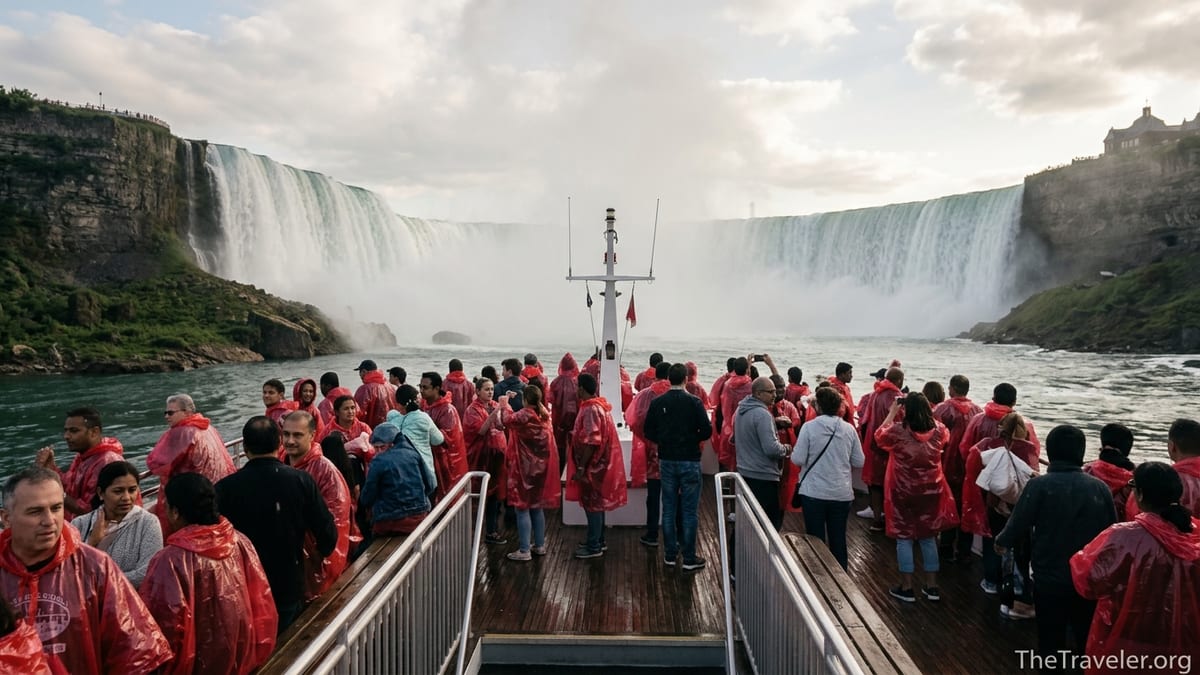
Understanding Niagara City Cruises: The Canadian Icon
Niagara City Cruises is the official boat tour operator on the Canadian side of Niagara Falls, running seasonal boat rides into the Niagara Gorge from a modern boarding area below Clifton Hill in Niagara Falls, Ontario. Operated by a subsidiary of Hornblower Group under the Niagara Parks umbrella, the company offers short, high-impact cruises that bring passengers directly into the mist at the base of Horseshoe Falls. The tours typically operate daily from spring through late fall, with exact opening and closing dates shifting slightly each year depending on river ice and weather conditions.
For first-time visitors, the most important thing to understand is that Niagara City Cruises and Maid of the Mist offer essentially parallel experiences from opposite sides of the border. Boats on both sides follow a similar route past the American Falls and Bridal Veil Falls before pushing into the basin of Horseshoe Falls for the signature mist-soaked moment. While there are minor differences in viewing angles, poncho colors, and logistics, first-time visitors staying in Canada will almost always find Niagara City Cruises the most convenient choice.
The boarding area for Niagara City Cruises is located in the lower Niagara Gorge, accessed via ramps and elevators from a plaza near the foot of Clifton Hill and the north end of Queen Victoria Park. The setting is designed to move large numbers of visitors efficiently, with ticket kiosks, covered queuing areas, and staff guiding passengers toward timed departures. Because this is one of the most popular attractions in Canada, planning ahead on timing, ticket type, and what to bring will make a noticeable difference in your experience.
In practical terms, most first-time visitors will spend less than two hours from the moment they enter the Niagara City Cruises plaza to the time they exit back on the upper promenade, including security checks, queuing, the boat ride itself of about 20 minutes, and time to stroll the lower landing platform after the cruise. That makes it easy to combine with other Canadian-side attractions such as Journey Behind the Falls, the Niagara Parks Power Station, the Skylon Tower, or a walk along the landscaped promenade overlooking the river.
Voyage to the Falls: The Essential First-Time Cruise
The core Niagara City Cruises experience for first-time visitors is the Voyage to the Falls boat tour. This is the daytime cruise most people picture when they think of Niagara: red ponchos, thundering water, and a boat edging into the swirling mist at the base of Horseshoe Falls. Boats depart multiple times per hour in peak season, creating a steady flow of passengers and relatively short waits compared with older-style boarding setups of decades past.
Voyage to the Falls cruises follow a consistent route. After leaving the sheltered dock, the boat travels downstream along the Niagara River past the American Falls and Bridal Veil Falls on the U.S. side, giving you clear views of the rock formations and the observation tower in Niagara Falls State Park. The captain then steers directly into the half-circle of Horseshoe Falls, where the combination of noise, wind, and mist is intense. On typical days, you can expect much of the boat to be drenched near the bow, with slightly drier conditions toward the stern and upper deck edges, although your complimentary red poncho will do a reasonable job of keeping your clothes mostly dry.
For many travelers, a single daytime Voyage to the Falls cruise is all they need. Families with young children often choose a morning or early afternoon departure, when crowds are substantial but manageable and conditions are usually a little warmer. As a rough guideline based on recent seasons, adult tickets for Voyage to the Falls tend to land in the mid-30 Canadian dollar range, with discounted pricing for children and occasional package deals when bundled with other Niagara Parks attractions. Prices can shift slightly from year to year, so it is wise to check current rates when you book, but you can generally assume that a family of four will spend somewhere around low to mid three figures in Canadian dollars for the boat ride plus taxes and fees.
First-timers should also be aware that tickets are sold for specific date windows, often with the flexibility to board the next available sailing rather than a single fixed departure. This means that even if you arrive slightly earlier or later than planned, you can usually be accommodated without having to reschedule your entire day. On busy weekends and summer holidays, however, lineups for security and boarding can become long by midday, so arriving either early in the morning or late in the afternoon can significantly reduce waiting time.
Evening, Illumination, and Fireworks Cruises
While Voyage to the Falls is the go-to choice for most first-time visitors, Niagara City Cruises also operates evening sailings that appeal strongly to those who want a more atmospheric experience. The Falls Illumination Cruise, when offered in season, typically departs after sunset, once the waterfalls are lit in shifting colors by powerful spotlights controlled by the Niagara Falls Illumination Board. Viewing Horseshoe Falls glowing in jewel tones from water level is a very different experience from a daytime cruise, with a calmer river surface and cooler air lending a more romantic or contemplative mood.
The most sought-after special departures for many visitors are the Falls Fireworks Cruises. During the main tourism season, fireworks are scheduled over the falls on a regular nightly basis, usually at 10 p.m., with additional shows on some long weekends and holiday periods. When these fireworks cruises run, boats depart the dock shortly before showtime, bringing passengers into the gorge just as the sky darkens. You will still get misty views of the illuminated falls, but the main focus becomes the bursts of color exploding over the river, reflected in the water around the boat. Capacity is more limited than for daytime sailings, so these cruises often sell out well in advance on summer Saturdays and around major Canadian and U.S. holidays.
Prices for illumination and fireworks cruises are typically higher than the base daytime fare, reflecting the limited capacity and high demand. For example, it would not be unusual in a recent season to see nighttime cruise prices for adults move into the upper 40s or low 50s in Canadian dollars, with proportional child discounts. Because the season, exact schedule, and final pricing are set year by year, a wise approach for first-time visitors is to choose their travel dates first, then check closer to their trip whether fireworks cruises are scheduled and still available on the nights they will be in town.
For planning purposes, keep in mind that nights along the Niagara Gorge can feel significantly cooler and windier than temperatures higher up in town, especially in spring and autumn. Even in July, many passengers on evening cruises end up grateful they brought a light sweater or windbreaker to wear under the poncho. If you are traveling with children, consider an afternoon Voyage to the Falls for the core experience, then a separate evening walk along the illuminated promenade or a ride up the Skylon Tower instead of a late-night boat if bedtimes or cooler weather might be an issue.
Comparing Niagara City Cruises with Maid of the Mist
It is common for first-time visitors to ask whether they should choose Niagara City Cruises on the Canadian side or cross the border and book Maid of the Mist from Niagara Falls, New York. The honest answer is that both offer outstanding, broadly similar experiences, and for most travelers the best choice is simply the operator that corresponds to the side of the border where they are staying. Crossing the Rainbow Bridge by car or on foot can add immigration checks, parking logistics, and extra walking time that may not be worth it if your itinerary already has plenty to fill a day on one side.
In practical terms, Niagara City Cruises is the only mainstream boat tour operator on the Canadian side that brings you directly into the mist at the base of Horseshoe Falls. Maid of the Mist plays the same role on the American side. Both tours last around 20 minutes on the water, both include plastic ponchos, and both run frequent departures during peak season. Travelers staying in Toronto, Niagara-on-the-Lake, or elsewhere in Ontario almost always select Niagara City Cruises, while those road-tripping through upstate New York often opt for Maid of the Mist.
There are subtle differences that committed Niagara fans like to debate. Because the Canadian shoreline curves more tightly around Horseshoe Falls, Niagara City Cruises can offer slightly more head-on views of the cascade as the boat enters the basin. Some travelers also appreciate the modern look of the Canadian-side vessels and boarding plaza, which were purpose-built for high volumes. On the other hand, Maid of the Mist carries a certain historic cachet as one of the oldest tourist boat operators in North America, and its fully electric vessels are a point of pride for environmentally minded visitors. But for someone experiencing the falls by boat for the very first time, these fine distinctions tend to fade into the background once the mist hits your face.
Cost-wise, recent seasons have seen adult ticket prices for both operators in a comparable range once you account for currency differences, taxes, and modest seasonal variations. A traveler budgeting in U.S. dollars for a trip that includes Niagara City Cruises from the Canadian side might roughly estimate the boat ride to cost around 25 to 40 U.S. dollars per adult, depending on the specific cruise type and season, while recognizing that the exact figure will depend on the exchange rate and any promotions in effect when they book.
Timing Your Cruise: Best Months and Times of Day
Niagara City Cruises is a seasonal operation, and the quality of your experience can vary significantly depending on when you visit. Historically, sailings have begun in spring once winter ice has cleared from the river, continued daily through the core summer months, and then wound down in late October or early November when conditions become too cold and unpredictable. In early spring and late autumn, reduced hours or a more limited sailing schedule are common, so visitors traveling in April or late October should be prepared for cooler temperatures, breezy decks, and the possibility that departures may be less frequent than in July or August.
For many first-time visitors, the sweet spot for comfort and atmosphere is late May through late September. In June and early July, the combination of long daylight hours, regular fireworks, and full foliage in the parks creates a classic Niagara atmosphere, though it also brings the heaviest crowds, especially on weekends and school holidays. August remains lively but can occasionally feel hazy or humid, particularly during heat waves. Early autumn months often provide a pleasant alternative, with slightly thinner crowds and colorful foliage starting to appear along the gorge.
Time of day matters just as much as the month you choose. Morning cruises, especially the first few departures of the day, tend to offer shorter lines, more space to move around the decks, and softer light for photography. This is a smart choice if you are driving in from Toronto or Hamilton and can arrive in Niagara Falls shortly after opening. Midday sailings between late morning and mid afternoon are usually the busiest, with longer waits from ticketing through boarding, especially on sunny weekends. Late afternoon and early evening can be a good compromise, as day-tripping tour buses begin to depart and the light slants more dramatically across the falls.
Another practical timing tip is to allow a buffer of at least one to two hours around your planned cruise, particularly if you have timed tickets for another attraction such as Journey Behind the Falls or a pre-booked dinner seating at a fallsview restaurant. While Niagara City Cruises works hard to keep boats running on schedule, unexpected surges in visitor numbers, brief weather holds, or security delays can stretch the total time from plaza entry to plaza exit longer than the bare minimum. Building in a cushion will make your day feel more relaxed and reduce the temptation to rush past viewpoints that you might otherwise linger over.
Practical Tips: Tickets, Weather, and What to Bring
For a first-time visitor, the most important practical decision is whether to buy tickets online in advance or purchase on arrival. During quieter shoulder seasons or on midweek days outside school holidays, same-day purchases at the Niagara City Cruises plaza often work fine. However, in peak season and on weekends, buying tickets in advance for your preferred date can save time and provide assurance that you will be able to board without long waits at the sales counters. Third-party tour operators also sell packages that bundle the boat ride with transportation from Toronto or other cities, which can be convenient if you do not want to navigate parking or regional transit.
Regardless of when you go, be prepared to get wet. The complimentary red ponchos handed out before boarding are quite effective at keeping most of your upper body dry, but your lower legs, shoes, and anything carried outside the poncho are likely to be sprayed. Lightweight, quick-drying footwear such as walking sandals, waterproof sneakers, or even flip-flops in hot weather can make the experience more comfortable than heavy leather shoes or high heels. If you are visiting in cooler months, consider wearing a thin waterproof shell or fleece under the poncho for extra warmth, and bring dry socks in a small daypack to change into afterward.
Water-sensitive electronics deserve special attention. Modern smartphones can usually tolerate the level of moisture you will encounter if kept under the poncho between quick photo bursts, but interchangeable-lens cameras or older devices may not fare as well. Inexpensive clear plastic pouches, often sold in Niagara Falls souvenir shops and convenience stores around Clifton Hill, are a practical solution. Many visitors also find that a simple microfiber cloth tucked inside a pocket is invaluable for wiping moisture off camera lenses and glasses during and after the ride.
Finally, consider that you will pass through security screening similar to airport-style bag checks before entering the boarding area. Large backpacks, tripods, and bulky items may be discouraged or require extra screening time. Bringing only what you truly need for a one- to two-hour window around your cruise can make the entire process smoother. A streamlined kit for most first-timers might include a compact daypack with water, a light jacket, a smartphone in a water-resistant case, and perhaps a small snack to enjoy later on the upper promenade after you disembark.
Accessibility, Families, and Different Travel Styles
Niagara City Cruises is designed to accommodate a wide range of travelers, from families and multi-generational groups to solo visitors and tour groups. The boarding area is accessible via elevators and ramps from the upper promenade, making it feasible for many visitors using wheelchairs, mobility scooters, or strollers. Once on board, the main deck offers level surfaces, with railings strong enough to lean on while still allowing clear views of the water and falls. The intensity of the mist and motion can be stimulating, so travelers with sensory sensitivities may want to position themselves toward the middle or rear of the boat, where the experience is slightly less overwhelming.
Families with children often appreciate the relatively short duration of the cruise on the water, which keeps excitement high and boredom low. Many parents choose to stand near the bow for a few minutes as the boat approaches the falls, then retreat toward the center or upper deck sides if younger kids become overwhelmed by the noise and spray. Bringing a change of shirt for very young children or an extra hoodie for the return to shore can prevent minor discomfort from turning into a full change-of-plans situation.
For couples or photographers hoping to capture memorable images, strategy helps. Arriving early in the boarding process allows you to claim a spot on the upper deck railings, which many consider the prime vantage point. However, be aware that everyone on board will be jostling for the best views, especially as the boat enters the basin of Horseshoe Falls. Accepting that you will share the moment with several hundred fellow passengers and focusing on soaking up the experience rather than hunting for a perfectly unobstructed shot often leads to a more enjoyable cruise.
Group travelers, including school groups and corporate outings, frequently incorporate Niagara City Cruises into half-day or full-day itineraries that also feature walks along the promenade, visits to educational exhibits at Niagara Parks sites, or meals with views of the river. If you are organizing a large group visit, it is worth contacting Niagara Parks or a reputable tour operator well in advance, as group ticketing and scheduling often require more lead time and coordination than individual bookings.
The Takeaway
For first-time visitors on the Canadian side, Niagara City Cruises is the most direct and memorable way to feel the power of Niagara Falls up close. The classic Voyage to the Falls cruise is short, dramatic, and accessible to most travelers, while evening illumination and fireworks departures provide a deeper, more atmospheric take on the same iconic scenery. Whether you stand at the bow and embrace a full drenching in the mist or hang back slightly to watch the spectacle unfold, the experience tends to linger in memory long after your poncho has dried.
The key to making the most of your Niagara City Cruises experience lies in thoughtful planning. Choosing the right season and time of day, purchasing tickets in advance for busy weekends, dressing for wet and potentially cool conditions, and building a reasonable time buffer into your schedule will all help the day run more smoothly. Comparing Niagara City Cruises with Maid of the Mist can be interesting from a travel enthusiast’s perspective, but for most first-time visitors, the more important question is how to integrate the boat ride into a broader Niagara itinerary that includes viewpoints, walks, and perhaps other attractions.
Ultimately, standing on the deck as the boat edges into the roaring half-circle of Horseshoe Falls is the moment that matters. The roar drowns conversation, the mist turns the world hazy, and for a few minutes you are fully immersed in the raw energy of one of the world’s most famous waterfalls. For many travelers, that short ride with Niagara City Cruises becomes the emotional centerpiece of their entire Canadian journey.
FAQ
Q1. What is the difference between Niagara City Cruises and Maid of the Mist?
Niagara City Cruises operates from the Canadian side of Niagara Falls, while Maid of the Mist operates from the American side in New York. Both offer similar 20-minute boat rides into the mist at the base of Horseshoe Falls, include ponchos, and run frequent departures in season. Most first-time visitors simply choose the operator that matches the side of the border where they are staying.
Q2. How long does a Niagara City Cruises Voyage to the Falls tour take?
The actual time on the water is around 20 minutes, but you should plan for about 60 to 90 minutes total from entering the plaza to exiting after the cruise. This allows for ticket scanning, security screening, queuing, boarding, the ride itself, and a few minutes to enjoy the lower landing platform afterward.
Q3. When is the best time of year to take a Niagara City Cruises tour?
Comfortable conditions for most visitors usually fall between late May and late September, when temperatures are milder and the full schedule of daytime and evening departures is more likely to be available. Early spring and late autumn can be wonderfully atmospheric but may involve cooler temperatures, breezier decks, and a more limited sailing schedule.
Q4. Do I need to book Niagara City Cruises tickets in advance?
Advance booking is strongly recommended for weekends, holidays, and peak summer dates, especially if you want evening illumination or fireworks cruises, which have more limited capacity. On quieter midweek days in shoulder seasons, same-day purchases at the plaza can work, but buying ahead still helps you avoid queuing at ticket counters.
Q5. How wet will I get on a Niagara City Cruises boat tour?
You should expect to get noticeably damp, particularly on your face, hands, and lower legs. The complimentary red poncho protects most of your upper body, but shoes and pants near the bottom can still get sprayed. If you stay toward the bow and outer railings, you are more likely to get soaked, while the center and rear of the boat tend to be slightly less exposed.
Q6. Are Niagara City Cruises boats accessible for wheelchairs and strollers?
Yes, the boarding area is accessible via elevators and ramps, and the main decks of the boats are designed to accommodate many visitors using wheelchairs, mobility scooters, or strollers. It is still wise to allow extra time for movement through queues and to follow staff instructions during boarding and disembarkation.
Q7. What should I wear and bring on the cruise?
Wear comfortable, weather-appropriate clothing and footwear that can get wet, such as walking sandals or waterproof sneakers. Consider a light jacket or fleece under the poncho in cooler months. Bring minimal valuables, a water-resistant case or pouch for your phone or camera, and perhaps a microfiber cloth to wipe lenses and glasses.
Q8. Are children allowed on Niagara City Cruises, and is it suitable for them?
Children are welcome and many families consider the boat ride a highlight of their Niagara visit. The short duration keeps kids engaged, though the noise and mist can be intense. Standing near the center or rear of the boat can make the experience less overwhelming for very young children, and bringing a change of clothes or extra layer can help keep them comfortable afterward.
Q9. What happens if the weather is bad on the day of my cruise?
Niagara City Cruises operates in most weather conditions, including light rain, as passengers are already prepared to get wet. However, sailings may be delayed or canceled in cases of severe weather, high winds, or unsafe river conditions. If the forecast looks poor, check for updates on the day of your visit and be prepared to adjust the timing of your cruise within your chosen date if needed.
Q10. Can I combine Niagara City Cruises with other attractions in one day?
Yes, many visitors pair the boat ride with attractions such as Journey Behind the Falls, the Niagara Parks Power Station, or a walk along the gorge promenade, and still have time for a meal with views of the falls. Because the cruise itself takes relatively little time, it fits easily into a half-day or full-day itinerary on the Canadian side, especially if you build in a modest time buffer for queues and unexpected delays.