


More news on this day
A Biman Bangladesh Airlines flight operating between Saudi Arabia and Bangladesh was stranded for hours at Muscat International Airport after a passenger suffered a medical emergency and later died, leaving hundreds of travelers waiting on the tarmac while Omani and Bangladeshi procedures for handling a death in transit unfolded.
Get the latest news straight to your inbox!
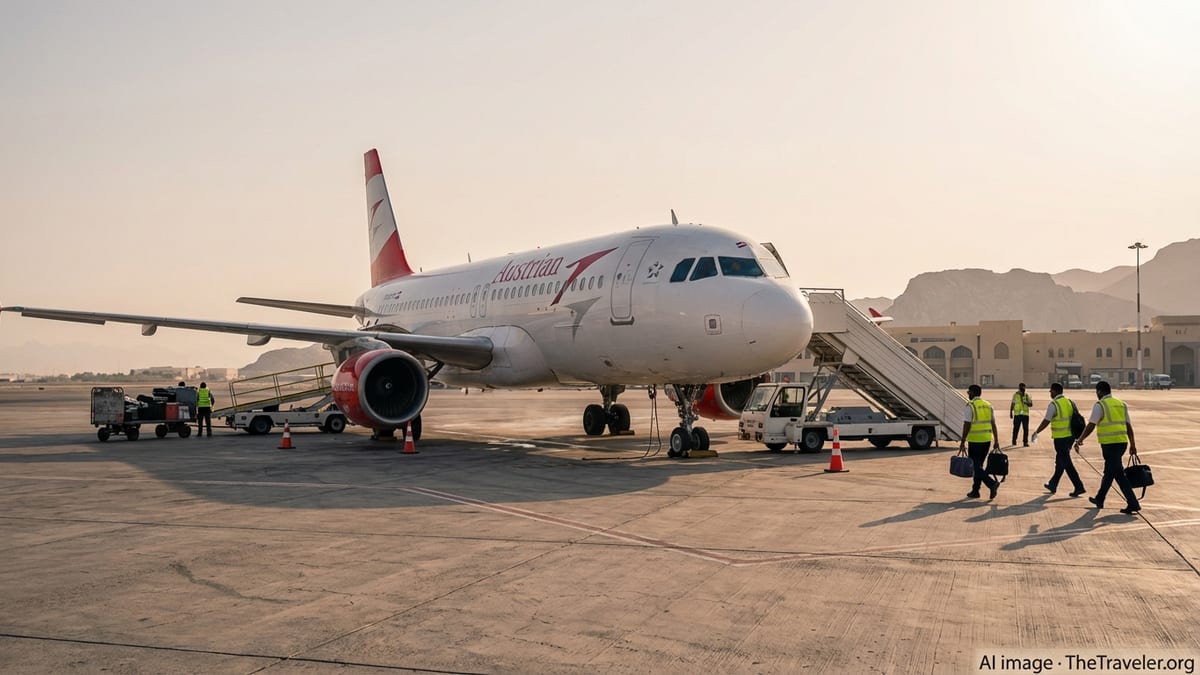
Mid-flight medical emergency leads to diversion
According to regional media reports, the incident involved Biman flight BG136, which was operating between Jeddah and Chattogram on 26 August 2026 when a passenger became critically unwell mid-flight. Publicly available information indicates that the crew requested priority handling and the aircraft diverted to Muscat International Airport in Oman so that the traveler could receive medical attention on the ground.
Coverage from Bangladeshi outlets states that the passenger, identified as a woman in her mid-50s from Chattogram, was assessed after landing in Muscat and pronounced dead. The sudden death transformed what had started as a routine scheduled service into a complex operational and legal situation, as the airline and local authorities began working through the requirements attached to an in-flight fatality.
Reports indicate that the aircraft was not immediately able to continue its planned journey after the diversion. Instead, the flight remained at Muscat while the deceased passenger’s body stayed on board and officials handled documentation and clearances linked to both the death and the aircraft’s onward operation.
Aircraft stranded on the ground in Muscat
Regional coverage from Dhaka and Muscat describes the Biman aircraft as stranded at Muscat International Airport for an extended period following the incident. Passengers bound for Bangladesh were kept on the ground while the airline coordinated with local agencies under Omani rules covering deaths that occur during international travel.
Publicly available reports from Bangladesh-based newspapers note that, under Omani procedures, a deceased passenger cannot be removed from an aircraft without formal authorization. Until that permission is granted, the body must remain on board, which in this case meant the aircraft could not quickly be turned around or dispatched onward to Bangladesh.
Later updates from Bangladeshi media indicate that once the necessary clearances were obtained and the body was taken off the aircraft, the Biman jet was eventually able to leave Muscat. Observer reports state that the flight later headed to Chattogram, bringing an end to the unplanned stranding but leaving travelers several hours behind schedule.
Passenger identified as Bangladeshi traveler returning home
Bangladesh-based outlets covering the event report that the deceased passenger was Sanowara or Sanwara Begum, around 55 years old, originally from the Chattogram region. She had reportedly been returning home from Saudi Arabia when she became ill on board BG136.
Multiple publications state that arrangements were being made through the Bangladesh embassy in Oman to repatriate the body once local procedures were complete. Publicly available information suggests that the process involves coordination between the airline, diplomatic representatives and Omani authorities to issue the necessary documentation for the remains to be returned to Bangladesh.
At the time of writing, regional coverage had not reported any confirmed medical cause for the passenger’s death. Outlets in Dhaka and Chattogram indicated that more detailed findings would likely emerge only after formal examinations and administrative steps in Oman.
Operational and legal procedures after an onboard death
The stranding of BG136 in Muscat has drawn attention to the series of steps airlines must follow when a passenger dies during a flight. International carriers typically divert to the nearest suitable airport when a medical situation becomes critical, but what happens next varies from one jurisdiction to another.
In Oman, reports from Dhaka-based newspapers describe a requirement for permission from the Royal Oman Police before a deceased passenger can be removed from an aircraft. Until that authorization is issued, the aircraft effectively functions as a secure site, and both the body and, in many cases, the passengers may have to remain in place.
The procedures can also affect the flight’s schedule and the experience of those on board. With BG136, media coverage highlights that the aircraft could not immediately reposition or continue its journey, creating a knock-on effect for travelers whose plans depended on timely arrival in Bangladesh. Aviation observers note that similar delays have occurred in other jurisdictions when legal and medical formalities take several hours to complete.
Broader spotlight on inflight medical emergencies
Recent coverage of Biman Bangladesh Airlines has already been examining how airlines respond to medical incidents in the air, including decisions on whether to divert or continue to destination. Earlier reports on separate flights involving the carrier have noted passenger deaths and subsequent reviews of crew responses, bringing wider public attention to inflight health emergencies.
Aviation specialists point out that, while deaths in flight remain rare compared with the overall volume of air travel, they can be particularly challenging to manage because aircraft are confined spaces with limited medical facilities. In many cases, crews must balance consultation with ground-based experts, the passenger’s condition and the proximity of diversion airports when deciding on a course of action.
The Muscat incident involving BG136 underscores how such emergencies can rapidly reshape a flight’s trajectory and timetable, leaving travelers stranded while complex international procedures play out. As regional media continue to follow the story, attention is likely to remain focused on both the human impact on the affected family and the operational lessons for carriers serving busy labor and migrant worker routes between the Gulf and South Asia.
Daily Sun coverage of the Muscat incident
The Business Standard report on BG136 diversion