


More news on this day
EasyJet has operated a rescue service for more than 100 passengers stranded in Tunisia after a cancelled Belfast flight left holidaymakers facing days of uncertainty, mounting hotel bills and alternative travel costs reported to reach about £4,000 for some families.
Get the latest news straight to your inbox!
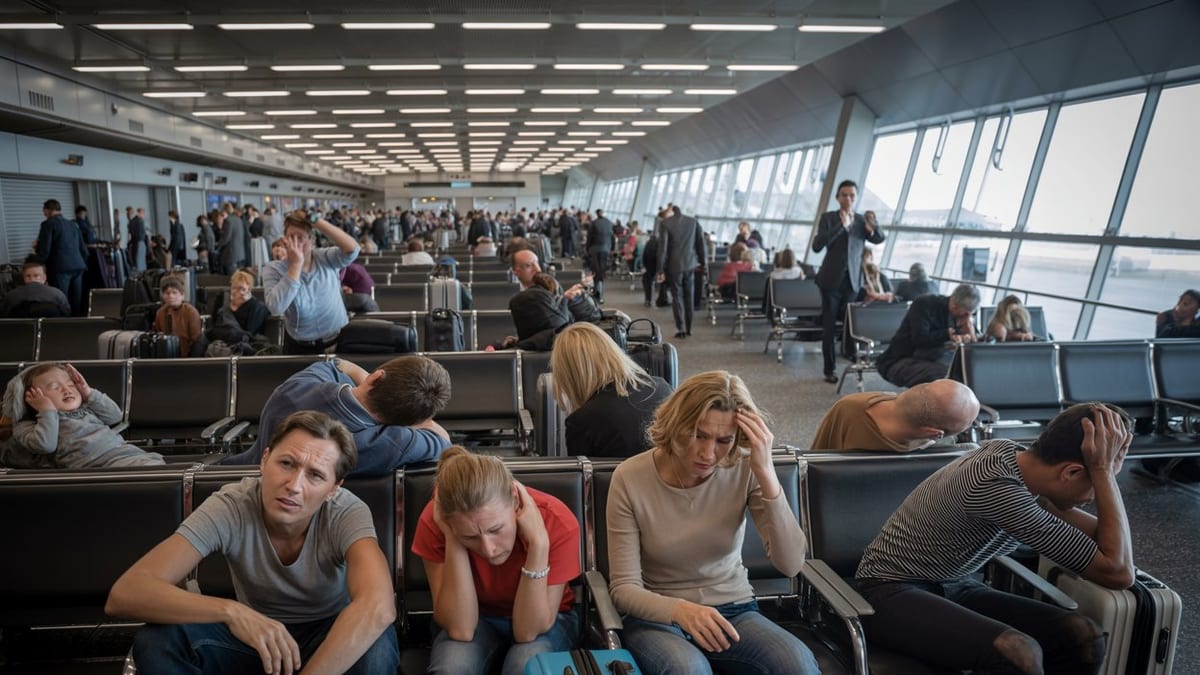
Cancelled Enfidha to Belfast service sparks travel ordeal
Publicly available reports indicate the disruption began when EasyJet’s flight from Enfidha-Hammamet Airport in Tunisia to Belfast International, scheduled for Saturday 22 August 2026, was cancelled at short notice. The service was due to take Northern Ireland holidaymakers home at the end of their trips but did not depart after the aircraft was reported to have technical issues affecting its steering.
Coverage from the UK and Northern Irish media states that more than 100 passengers had been booked on the flight, leaving a large group of families and solo travelers suddenly without a way back to Belfast. EasyJet services between Tunisia and Belfast operate only a limited number of times per week, so the cancellation immediately created a shortage of direct alternatives.
According to published coverage, passengers were initially told there were no other EasyJet flights available to Belfast for around 10 days. That timeframe left many people facing the prospect of extending hotel stays, arranging additional care commitments back home and trying to secure new flights via other airports at short notice during the busy summer season.
Reports also describe how some travelers struggled to access regular medication amid the extended delay, adding a welfare dimension to what began as an operational disruption. The combination of health concerns, lack of clarity over onward travel and uncertainty about costs contributed to growing frustration among those stuck in Tunisia.
Families face out of pocket costs of up to £4,000
Several passengers have described significant unplanned expenses as they attempted to secure their own routes home before a dedicated rescue service was confirmed. One Northern Ireland family of five told broadcasters they had spent about £4,000 arranging alternative travel, including flights and accommodation, in order to return to the UK sooner than the initial 10 day estimate.
Other travelers recounted paying for extra hotel nights beyond their original package duration while they waited for clarity on when they could leave. For those on tight budgets, the sudden need to fund extra nights abroad and potentially book new flights represented a major financial strain on top of the disruption to work and family responsibilities.
Some passengers reported relying on loans or financial help from relatives and friends to cover immediate costs. Publicly available commentary from consumer and passenger rights organisations notes that, under UK and European air passenger protection rules, airlines remain responsible for care and assistance when flights are cancelled, including reasonable accommodation, meals and rebooking, even when technical problems are cited.
Specialist flight compensation services have highlighted the Tunisia incident as another example of where travelers may later seek reimbursement for replacement flights and incidental expenses, as well as fixed cancellation compensation where legal criteria are met. However, those processes typically take weeks or months, while many stranded passengers faced immediate bills to pay on the ground.
Rescue operation brings stranded passengers back to Belfast
After days of uncertainty, updated reports on Wednesday 26 August indicate that EasyJet arranged a rescue operation to bring passengers back to Northern Ireland. According to coverage from UK news outlets, flights in the early hours of Wednesday transported stranded customers from Tunisia to Belfast International, ending an ordeal that in some cases had lasted four days.
The rescue arrangements followed growing media attention on the situation facing families still in Enfidha, including those coping with bereavement or serious illness at home. In one widely reported case, a mother from Derry/Londonderry described trying to return with six children following the death of a close relative and expressed distress about the lack of an earlier way home.
Publicly available information suggests the rescue services were organised as additional capacity beyond the normal schedule rather than part of the regular programme of flights. Airlines sometimes employ such ad hoc operations when large numbers of customers are left without viable transport options after major disruptions, particularly on routes with infrequent services.
While the rescue flights ultimately returned passengers to Belfast, many travelers are now expected to pursue claims for compensation and reimbursement of extra costs. Travel rights advocates note that documenting all receipts, booking confirmations and written communications will be critical for those seeking to recover money spent on hotels, new flights and transfers incurred while stranded abroad.
Spotlight on EasyJet’s handling of recent disruption
The Tunisia incident is the latest in a series of high profile disruption cases involving EasyJet customers across Europe in recent months. Separate coverage earlier this year detailed how around 100 EasyJet passengers were stranded in Milan after extensive border control queues meant they missed a Manchester bound flight, leaving some facing lengthy waits for alternative services and additional accommodation costs.
Consumer groups have frequently pointed to such events as evidence of the pressures on low cost carriers operating dense summer schedules with limited slack in aircraft and crew availability. Technical faults, staffing constraints or air traffic control restrictions can quickly cascade through the network when there are few spare aircraft to deploy, especially on leisure routes served only a few times per week.
At the same time, published analysis underlines that airlines operating from UK airports are bound by UK versions of former EU passenger rights rules, which require carriers to provide care and assistance during extended delays and cancellations regardless of the immediate cause. The Tunisia disruption has therefore prompted renewed debate about how effectively those obligations are being met in practice when large numbers of passengers are stranded overseas.
Industry observers note that EasyJet, like many airlines, has previously emphasised its use of dedicated “rescue” operations in extreme circumstances, deploying special flights to repatriate passengers when ordinary schedules could not be maintained. The scale of the response in Tunisia, with more than 100 travelers returning on rescue services after several days abroad, highlights how such measures remain a central tool for managing high impact operational failures.
What passengers can do after major flight cancellations
Travel rights specialists are advising affected EasyJet customers from the Tunisia incident to retain documentation and submit formal claims through the airline’s established channels. Receipts for hotels, meals, taxis and replacement flights, along with booking confirmations and any written notifications of cancellation, are expected to be key evidence when seeking reimbursement or compensation.
According to publicly available guidance from consumer organisations, passengers whose flights are cancelled at short notice are generally entitled to a choice between a refund and rerouting at the earliest opportunity, including via other airlines where necessary. In addition, fixed sum compensation may be due in some circumstances, unless the carrier can demonstrate that the disruption was caused by extraordinary factors beyond its control.
Travel experts also encourage customers to check their travel insurance policies, as some plans offer supplementary coverage for delays and cancellations. However, policy terms vary widely and may require that passengers first pursue all available remedies with the airline before making an insurance claim.
For future trips, specialists suggest that travelers build extra flexibility into itineraries, particularly when flying infrequent leisure routes or connecting to time sensitive events. While no planning can fully remove the risk of cancellations, being aware of passenger rights, keeping essential medication in hand luggage and budgeting a contingency for unexpected costs can help mitigate the impact of severe disruption.
BBC News NI coverage of Tunisia EasyJet disruption
AOL report on stranded EasyJet passengers in Tunisia