


More news on this day
Black smoke and visible flames were reported near Riyadh’s King Khalid International Airport on Saturday, disrupting flight schedules as airlines and passengers tracked shifting departure and arrival times amid heightened regional security alerts.
Get the latest news straight to your inbox!
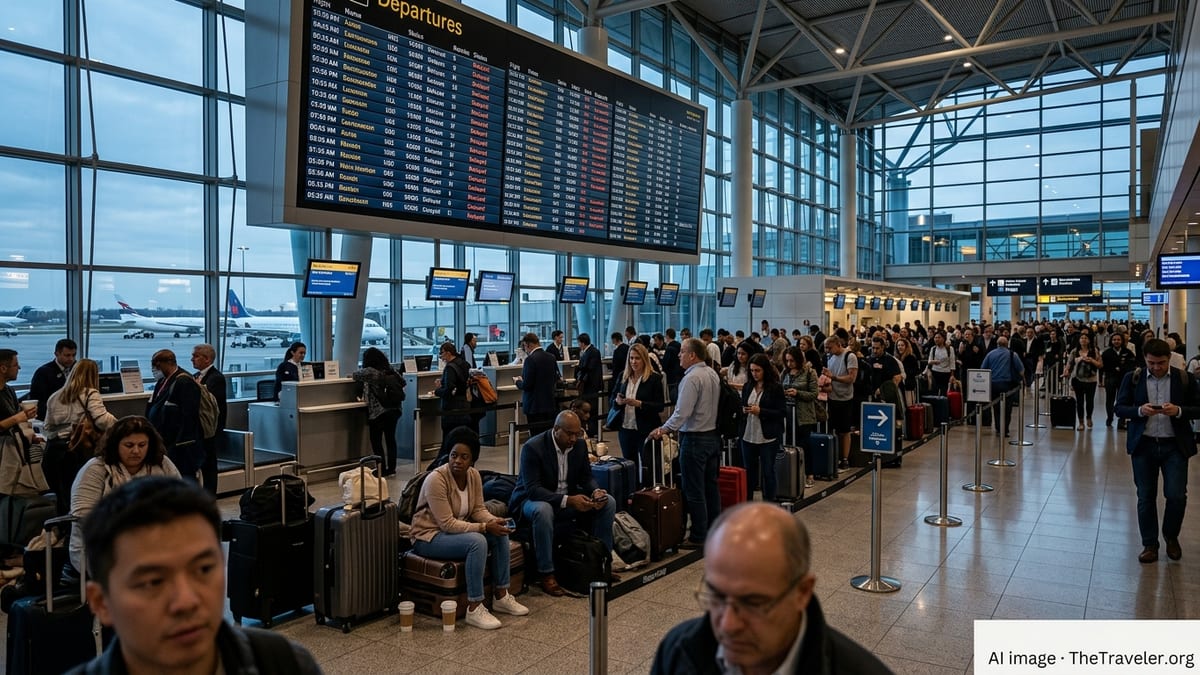
What travelers saw and where it was reported
Published coverage on September 19, 2026 described a large, dark plume rising near King Khalid International Airport, with flames visible from parts of Riyadh. The cause of the fire was not clearly established in initial reporting, and early accounts relied on eyewitness descriptions and news footage captured from areas near the airport road network.
Separate reports from international wires and regional outlets indicated that the smoke was seen close enough to place airport buildings and nearby highways in the foreground of images and video. While the exact source location was not consistently described across initial coverage, the visuals and timing pointed to an incident in the airport vicinity rather than a distant industrial area.
The sighting came after a night of emergency alerts in Saudi Arabia tied in some reporting to broader regional tensions. In that context, some early coverage framed the smoke incident as part of a fast-moving security environment, even as the direct link between the smoke and any specific security event was not clearly documented in the first wave of updates.
How flight operations were affected
Flight disruptions were reflected in public flight-tracking data as carriers managed knock-on effects from airside restrictions, temporary holding patterns, and ground delays. Real-time departure boards for Riyadh showed a full schedule for September 19 alongside the kind of rolling delays that can cascade through a hub with heavy early-morning regional departures and long-haul banks.
Travelers reported rapidly changing departure times and gate information in the hours after the smoke became visible. In situations like this, operational impacts can extend beyond immediate safety measures, as airlines reposition aircraft, reaccommodate crews, and manage inbound aircraft that may need extra spacing or alternate plans.
Because flight status can change minute-to-minute during an active disruption, passengers departing from or connecting through Riyadh were best served by verifying their flight directly through the airline’s live channels and by checking airport flight-status tools before leaving for the terminal.
What airport notices showed during the disruption window
Aviation notices and briefings available on September 19 showed ongoing airfield works and closures at King Khalid International Airport, including taxiway and stand restrictions that were unrelated to the smoke incident but can affect how quickly an airport recovers from abnormal operations. Those notices reflected routine airside constraints such as closed stands and taxiway segments as part of phased works.
In a disruption, pre-existing limitations can reduce flexibility for parking aircraft, towing, and reassigning gates, especially when inbound flights arrive in bunches after ground stops or flow restrictions. Even when runways remain available, gate availability and apron access often become the bottleneck that passengers feel most directly through delayed boarding and longer waits for arriving aircraft to park.
Travelers should note that NOTAM-style information is operationally focused and not designed as a public incident bulletin. It can, however, help explain why recovery can be uneven across terminals and airlines when multiple constraints overlap.
Advice for passengers: rebooking, airport access, and day-of travel planning
For passengers ticketed to fly from Riyadh, the immediate priority was confirming whether a flight was delayed, canceled, or operating with a revised departure time. Same-day changes are often handled fastest through airline apps and reservation systems, where rebooking options can appear before airport counters can process long lines.
Those heading to the airport faced the additional variable of road access and curbside congestion. When an incident occurs near a major airport, traffic patterns can shift quickly, and rideshare pickup zones, terminal approaches, or parking entrances can become temporarily constrained even if terminal operations continue.
For connecting passengers, the practical risk is missed onward flights due to late inbound arrivals and re-timed departures. When a connection is tight, travelers can reduce disruption by selecting longer minimum connection times where possible, keeping essential items in carry-on baggage, and monitoring onward boarding times rather than relying on scheduled departure times.
Regional context and what to watch next
Saturday’s smoke reports arrived during a period in which published coverage described elevated security messaging across the kingdom overnight and into the morning. That backdrop can intensify traveler concern and also contribute to operational caution as carriers and airports prioritize safety and situational awareness.
In the hours after the first images circulated, the most useful indicators for travelers were practical: whether airlines resumed normal departure spacing, whether arriving aircraft were able to park without extended tarmac waits, and whether the airport’s public flight-status tools stabilized with fewer rolling delays.
Travelers with plans in and out of Riyadh in the coming days will want to watch for additional airline waivers, schedule adjustments, and any updated operational advisories that could affect check-in times, terminal access, or connection windows.