


More news on this day
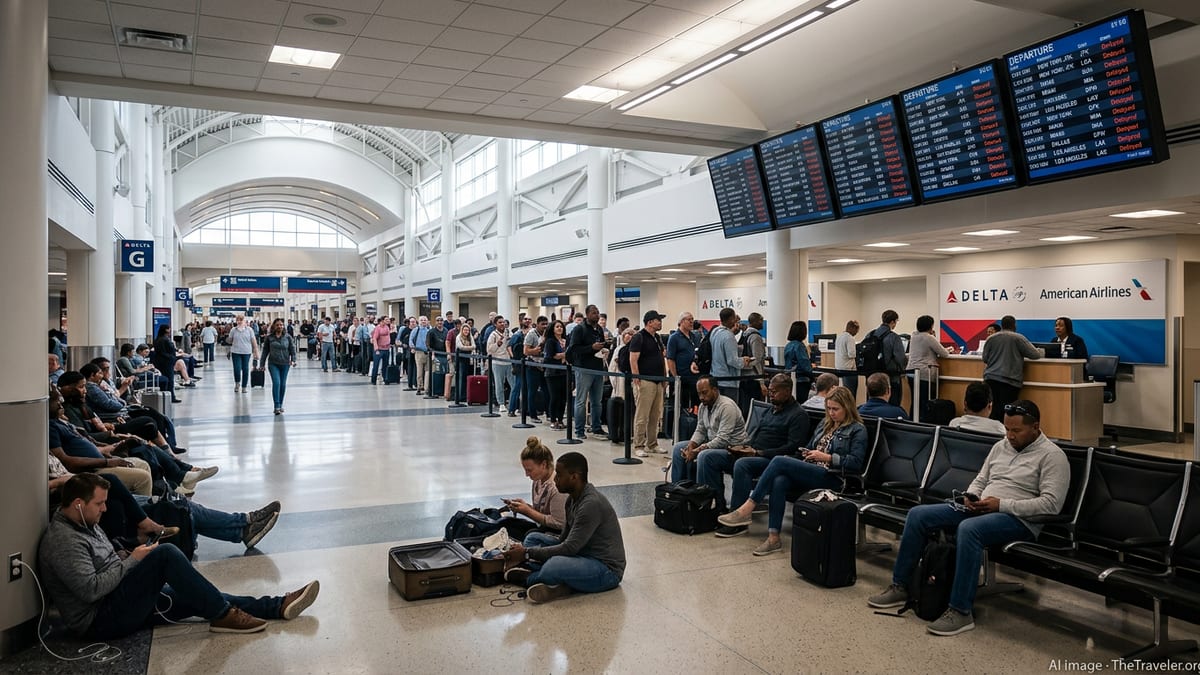
Hundreds of passengers were left stranded at Boston Logan International Airport this week as a wave of delays and cancellations disrupted flights to New York City, Philadelphia, Toronto, Barcelona, Cancún and several other domestic and international destinations, affecting services run by JetBlue, Republic Airways, American Airlines and Delta.
Get the latest news straight to your inbox!
Widespread Disruptions Hit a Key New England Hub
Publicly available flight tracking and aviation operations data for June 2026 indicate that Boston Logan has faced repeated bouts of disruption, with elevated levels of delays and targeted cancellations rippling through its network of short and long haul routes. Recent nationwide operational strain involving regional carriers such as Republic Airways and major airlines including American Airlines, Delta and JetBlue has repeatedly pushed the airport toward capacity limits during peak travel periods.
Coverage of recent system wide disruption shows that regional operators feeding large carriers have been particularly affected, with hundreds of flights delayed or canceled across the United States on multiple days in mid June. Boston has regularly appeared among the airports reporting clusters of delays, alongside other major hubs such as Chicago, Atlanta and New York, leading to what observers describe as rolling pockets of stranded travelers at key terminals.
Earlier aviation statistics for Boston Logan in May 2026 recorded more than 150 delayed flights and at least one cancellation in a single day, highlighting how quickly operational challenges can escalate at New England’s busiest airport. Those earlier disruptions affected both domestic and international corridors, including connections to New York and Toronto, setting the stage for renewed pressure as the peak summer season began.
Flights to Northeast Cities and Canada Among the Hardest Hit
Recent exception policies and travel alert updates issued by major airlines point to pressure along core Boston routes linking the airport with New York City and Philadelphia. Operational notices connected to weather systems over the U.S. Northeast in June detailed flexible rebooking options for passengers traveling between Boston, New York and Philadelphia, a sign that carriers anticipated or were already experiencing significant schedule impacts on those sectors.
At the same time, network information for Logan shows intensive schedules to Canadian gateways such as Toronto, as well as a growing portfolio of European and leisure routes. When disruption hits, these interconnected services tend to amplify the effect of any schedule change, leaving passengers bound for international destinations stranded at Boston while waiting for new departure slots or onward connections.
Recent travel industry reporting on broader U.S. disruptions has noted that cities including New York, Philadelphia and Toronto frequently appear among the destinations affected when regional carriers adjust schedules or face staffing and weather related constraints. With many of those services routed through or connected to Boston, passengers departing Logan for short haul business trips and longer leisure journeys have been drawn into the same wave of cancellations and extended gate holds.
JetBlue, Delta, American and Republic Under Strain
Boston Logan is a critical base for JetBlue and an important station for Delta and American, alongside regional partners such as Republic Airways that operate flights under major airline brands. Flight performance summaries for spring 2026 show each of these carriers playing a central role in Logan’s route map, linking Boston to New York area airports, Philadelphia, Toronto and a range of European and Caribbean destinations including Barcelona and Cancún.
In May and June, multiple industry analyses and consumer facing travel reports have highlighted how weather systems, air traffic control constraints and resource imbalances have created knock on effects for these airlines. National level figures for mid June documented thousands of delays and hundreds of cancellations across U.S. airports on single days, with Republic Airways and American among the carriers referenced as experiencing elevated disruption, while Delta and JetBlue also faced schedule pressure.
In this environment, even modest operational issues at Boston Logan can translate into hundreds of stranded passengers. When an aircraft arriving from New York or Philadelphia is delayed, its onward departure to an overseas destination such as Barcelona or a leisure route like Cancún can be pushed back or canceled, leaving international travelers waiting in crowded terminals while airlines work through limited aircraft and crew availability.
Safety Investigation Adds to Operational Complexity
The current disruption comes as U.S. aviation authorities review a runway conflict involving Delta Air Lines and American Airlines aircraft at Boston Logan on June 21. Public reports on the incident state that a Delta jet executed a go around after an American Airlines aircraft began its takeoff roll from an intersecting runway, prompting a formal safety investigation into the circumstances surrounding the event.
While the investigation focuses on safety procedures rather than scheduling, such high profile events can add operational complexity at an already busy airport. Reviews of runway use, spacing and sequencing can temporarily slow movements, increasing the likelihood of departure queues and missed connections during peak bank periods when multiple flights to New York, Philadelphia and international hubs are scheduled to depart within short windows.
Any additional spacing or cautionary measures introduced while an investigation is under way can therefore intersect with existing weather and staffing challenges, intensifying the experience of stranded travelers when schedules are already fragile. For passengers at Boston Logan in recent days, the combination of these factors has translated into long lines at service desks and crowded gate areas as airlines work to rebook disrupted itineraries.
Growing Summer Demand Collides With Fragile Networks
The June disruptions at Boston Logan are unfolding against a backdrop of rising summer demand and increasingly complex route networks. Airport and tourism updates for Boston highlight expanded international services in 2026, including enhanced links to European cities and popular sun destinations, while airlines also continue to refine domestic capacity between Logan and key U.S. business markets.
Industry commentary on recent nationwide disruption suggests that carrier networks remain highly sensitive to storms moving through the Northeast corridor, constrained staffing in some regional operations and crowded airspace around New York area airports. When those elements combine, Boston’s role as both an origin and connecting hub means that passengers headed to destinations as varied as New York City, Philadelphia, Toronto, Barcelona and Cancún can all be affected in a single operational wave.
Travel experts and consumer advocates consistently urge passengers to monitor airline apps, subscribe to flight alerts and check terminal information boards frequently when conditions are unsettled. For travelers at Boston Logan this week, such precautions have offered limited relief from the inconvenience of overnight stays, missed holidays and disrupted business trips, but they remain essential tools for navigating an increasingly volatile summer travel landscape.