


More news on this day
Brazil is emerging as one of the world’s fastest‑growing business travel markets, with industry forecasts pointing to a 13.8 percent annual rise in corporate travel spending as companies and destinations turn work trips into richer, more experience‑driven journeys.
Get the latest news straight to your inbox!
Brazil’s Business Travel Rebound Puts Experience at the Center
Fresh projections from the Global Business Travel Association indicate that Brazil is among the top performers in the global recovery, with business travel spending forecast to grow by 13.8 percent in the current cycle, outpacing most major markets. Analysts link this acceleration to a combination of economic stabilization, renewed foreign investment and a deliberate effort by Brazilian cities to pair corporate events with cultural immersion.
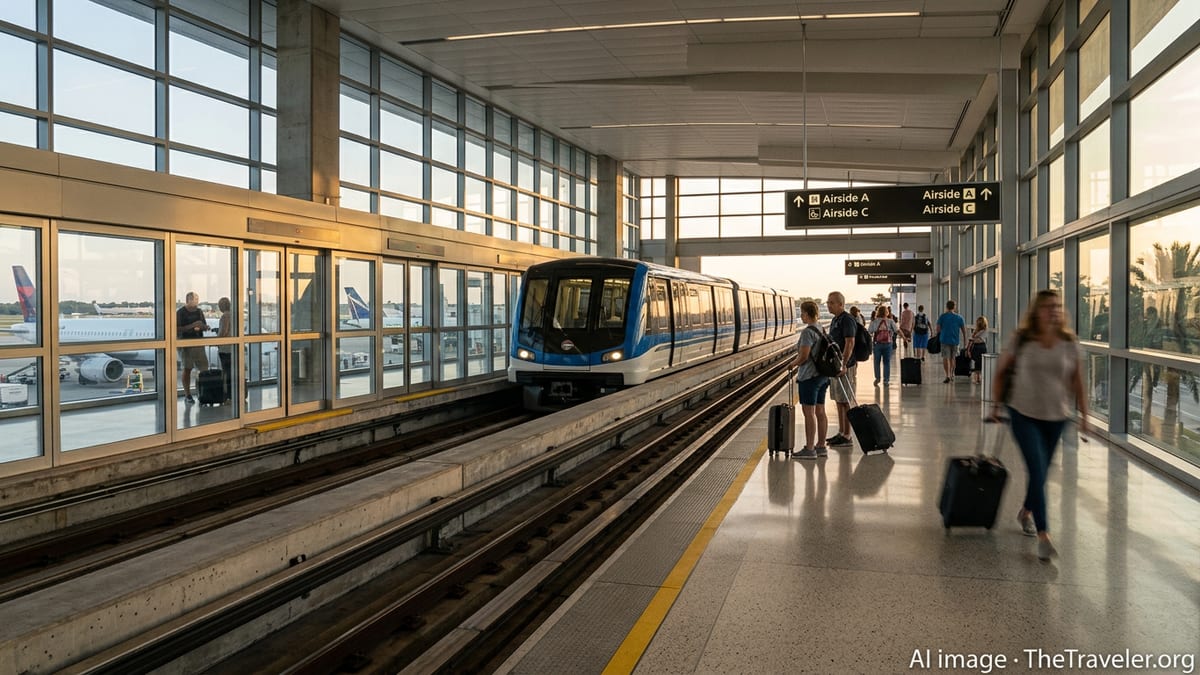
From São Paulo’s expanding portfolio of convention hotels to Rio de Janeiro’s waterfront revitalization, major hubs are repositioning themselves as locations where executives can combine boardrooms with beachfronts and cultural districts. Publicly available reports highlight new infrastructure around key business neighborhoods, including upgraded airports, expanded metro lines and digitally connected meeting venues designed with wellness spaces and outdoor terraces.
Tourism researchers note that Brazil’s push is not only about volume but also about value. Conference organizers increasingly package samba performances, contemporary art tours and culinary itineraries into their programs, creating itineraries that invite delegates to extend stays or bring companions. This approach has made Brazil a flagship example of how emerging markets can compete for high‑yield corporate travel by emphasizing authentic experiences rather than only low costs.
Industry outlooks suggest that if Brazil maintains its current trajectory, it could gain further ground in global business travel rankings over the next several years. That would reinforce Latin America’s growing importance as multinational companies reconsider where to hold regional summits, incentive trips and innovation workshops.
Seven Countries Turning Corporate Travel Into Travel Experiences
Alongside Brazil, several other markets are increasingly cited in industry research as standouts for transforming corporate trips into memorable travel experiences. Mexico, Spain, the United States, the United Arab Emirates, Singapore, Japan and Portugal are frequently highlighted in travel and meetings coverage for their efforts to blend work with leisure, culture and wellness.
Mexico has leveraged its beach destinations and colonial cities to attract meetings and incentive groups that mix conference schedules with cenote visits, gastronomy tours and wellness retreats. Parallel to this, Spain’s major cities are coupling cutting‑edge convention centers with historic districts, wine regions and coastal escapes, inviting business visitors to add extra nights or explore nearby regions.
In North America, the United States remains the world’s largest single business travel market and is using that scale to experiment with hybrid trip models. Technology hubs and financial centers are promoting nearby national parks, food scenes and cultural quarters, encouraging travelers to turn quick fly‑in meetings into longer, more rounded stays that support local visitor economies.
Across the Atlantic and in Asia, destinations such as the United Arab Emirates, Singapore and Japan have built reputations around high‑spec infrastructure paired with distinctive local experiences. Conference districts in Dubai and Abu Dhabi sit next to desert landscapes and waterfront leisure zones, while Singapore integrates green corridors, hawker food centers and cultural neighborhoods within short distances of major meeting venues. Japan’s cities, meanwhile, are adding curated cultural programs, from tea ceremonies to design tours, targeted at visiting professionals.
The Bleisure Boom Reshaping Corporate Travel
Underlying these shifts is the rapid rise of so‑called bleisure travel, in which employees extend work trips for personal exploration. Academic research and market surveys published over the past two years describe bleisure as one of the most dynamic niches in global tourism, with a growing share of business travelers reporting that they plan to add leisure days to at least one trip per year.
Travel economics studies suggest that this behavior is now a core growth driver rather than a fringe trend. Analyses prepared for global travel trade events point to blended business and leisure travel as a top opportunity for destinations seeking higher‑spend, longer‑stay visitors. For employers, the model can function as both a talent perk and a way to increase the return on travel by encouraging richer in‑person collaboration around important meetings and events.
In practice, that means corporate itineraries are increasingly designed with more flexible schedules, built‑in free time and optional side trips. Hotel groups and meeting planners report that they are responding with wellness‑oriented amenities, locally focused dining and partnerships with tour operators that specialize in short, high‑impact experiences compatible with busy professional calendars.
Brazil’s 13.8 percent growth story fits squarely inside this bleisure context. By positioning business districts close to beaches, cultural landmarks and nature escapes, Brazilian cities are marketing themselves not only as places to close deals but also as places where travelers can decompress and connect with local life before flying home.
How Destinations Are Redesigning the Business Trip
The current boom is also being driven by how destinations structure the business trip from the moment travelers land. In Brazil and across the seven highlighted countries, airport renovations, integrated transport links and digital wayfinding tools are making it easier for visitors to move between meetings and leisure districts without losing valuable time.
Meeting venues increasingly feature natural light, outdoor breakout spaces and wellness areas in response to corporate demand for healthier work environments on the road. In São Paulo and Mexico City, for example, new or refurbished convention properties are clustered near parks, cultural institutions and high‑end dining, enabling organizers to frame entire programs within walkable or short‑ride zones.
Many of these destinations are also promoting sustainability‑minded experiences, from urban cycling tours to nature conservation visits, as part of their corporate travel offering. Research from travel consultancies indicates that such programming resonates with companies that have set emissions and community impact targets and want trips that align with broader environmental and social goals.
As a result, the traditional pattern of a quick in‑and‑out business visit is giving way to a more layered model. A typical trip might now combine a two‑day conference, a day of local client meetings and several days of personal exploration, all supported by curated recommendations from hotels, destination marketing organizations and event planners.
What Brazil’s Surge Signals for the Next Phase of Business Travel
Brazil’s projected 13.8 percent increase in business travel spending is being read by analysts as a signal of how corporate mobility is evolving globally. Rather than returning to pre‑pandemic norms, many markets are using the reset to encourage fewer but higher‑quality trips that deliver both commercial outcomes and personal value to travelers.
For Latin America, Brazil’s performance could attract more regional conferences and cross‑border corporate investment, particularly as multinational firms look for host cities that can offer both robust infrastructure and vibrant off‑duty options. Neighboring countries are likely to compete by further refining their own business‑leisure blends, using cultural festivals, gastronomy and nature to differentiate themselves.
Globally, the seven highlighted countries exemplify how the business travel landscape is fragmenting into experience‑rich hubs rather than being dominated solely by traditional financial centers. Industry observers say the destinations that succeed will be those that continue to upgrade connectivity and meeting facilities while simultaneously protecting and showcasing the local character that makes an extended stay worthwhile.
As forecasts point to global business travel spending reaching new records over the next few years, Brazil’s growth and the strategies of these seven countries provide a preview of what that future may look like: fewer anonymous hotel corridors and more trips where deal‑making, discovery and downtime coexist on the same itinerary.