


More news on this day
British Airways has restarted non-stop flights between London Heathrow and Dubai after an eight-month suspension, just as the United Kingdom issues updated safety guidance for travel to the United Arab Emirates and the wider Middle East.
Get the latest news straight to your inbox!
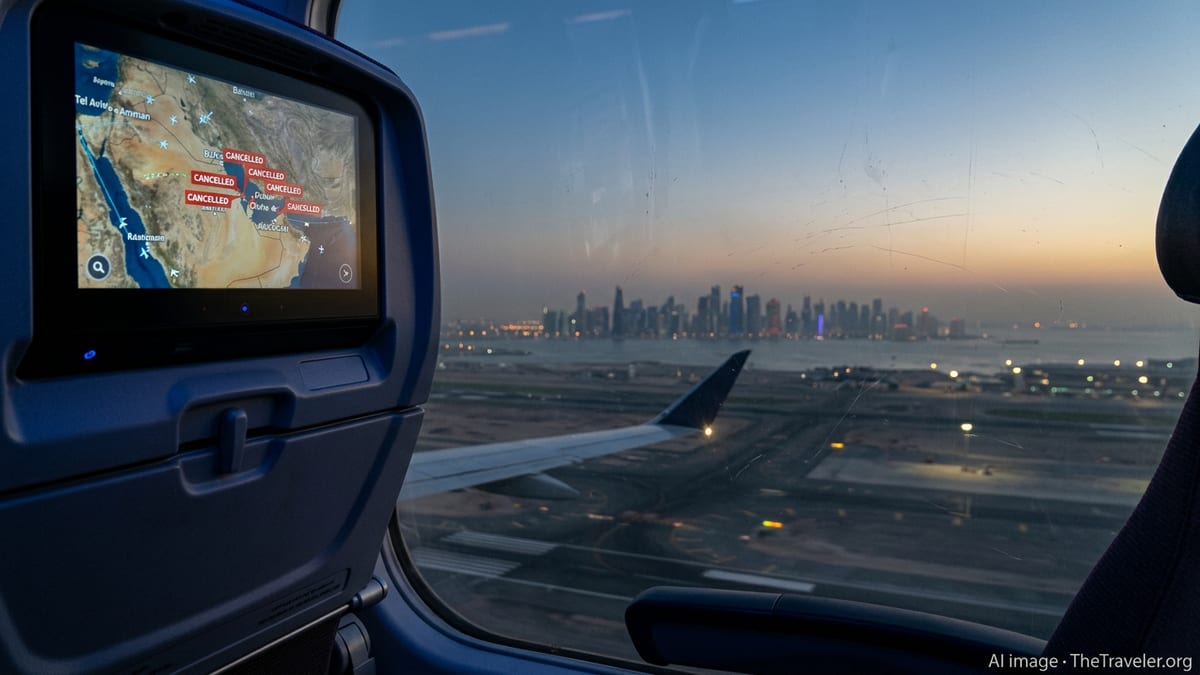
Daily Heathrow–Dubai Service Returns After Long Suspension
British Airways resumed its London Heathrow to Dubai International Airport route on November 3, 2026, restoring a direct option on one of the Gulf’s busiest corridors for the first time since early spring. Publicly available flight-tracking data shows flight BA105 departing Heathrow on Tuesday evening and arriving at Dubai International on Wednesday morning, with the return service BA104 operating back to London later the same day.
The carrier had halted services to Dubai for around eight months amid regional instability and evolving airspace restrictions linked to conflict involving Iran and Israel. Aviation industry coverage indicates that British Airways initially aimed to resume the route on October 25, but the restart was pushed into November following an internal review of operational and security considerations reported in trade press.
For the winter 2026–27 season, the airline has brought back a single daily rotation between Heathrow Terminal 5 and Dubai’s Terminal 1. Travel industry reports suggest that British Airways is planning to increase frequencies to a double-daily schedule from summer 2027, subject to demand and the regional security environment.
The return of the route places British Airways back into a highly competitive market dominated by Gulf carriers. Emirates continues to operate multiple daily A380 and Boeing 777 services between Dubai and London airports, while other European airlines are still in the process of reinstating or adjusting their Dubai schedules.
UK Travel Advice Highlights Elevated Regional Risk
The restart of British Airways’ Dubai flights comes against the backdrop of updated official guidance for the United Arab Emirates and the wider region. As of October 27, 2026, the UK Foreign, Commonwealth & Development Office’s travel advice for the UAE highlights a “deeply unpredictable” security context in the Middle East and a high risk of sudden escalation in tensions.
In its latest published wording, the FCDO notes that since conflict intensified in early 2026, Iran has publicly signalled its intent to target locations associated with the United States and Israel across the region. The advisory references recent strikes and retaliatory attacks that have affected both civilian and military infrastructure, and it warns that British nationals should be prepared for potential flight cancellations, airspace closures and broader travel disruption affecting key hubs, including Dubai.
The UK guidance does not currently advise against all travel to the UAE, but it urges travelers to remain vigilant, follow local security announcements and ensure they have contingency plans in case of sudden changes to flight schedules. The advice also recommends signing up for email alerts from the FCDO’s travel service so that any changes to the risk assessment are communicated quickly.
Other governments have issued comparable cautions. The United States updated its advisory for the UAE in October 2026 to Level 3, “Reconsider Travel,” citing terrorism and other security concerns, while Canada advises a high degree of caution nationwide and specifies additional restrictions around military sites. These overlapping warnings underline that the return of commercial flights does not equate to a return to pre-crisis risk levels.
How the Restart Affects Winter Travel Plans
The reintroduction of British Airways’ Heathrow–Dubai service immediately expands options for travelers planning winter sun breaks, cruise departures from the Gulf, or onward connections across Asia, Africa and Australasia. A daily BA105/BA104 rotation gives UK-based travelers a non-stop alternative within the oneworld network, connecting to domestic and European services at Heathrow and to regional and long-haul flights out of Dubai.
According to published schedules reported by regional media, BA105 is timed to leave Heathrow in the evening, arriving in Dubai early the following morning, while BA104 departs Dubai mid-morning for an early afternoon arrival back in London. These timings are aimed at capturing both business traffic and leisure travelers looking to maximize time on the ground at either end.
However, aviation analysts note that schedules across the Middle East remain fluid. The European Union Aviation Safety Agency has maintained conflict-zone guidance affecting parts of Gulf airspace into mid-November, and some European carriers have extended suspensions or rerouting of services in response. In practical terms, this means that even with British Airways now flying to Dubai again, passengers should monitor their bookings closely for potential timetable changes or equipment swaps.
Travel industry coverage also indicates that a number of airlines that suspended Dubai flights earlier in the year are phasing services back in stages, with some routes not due to restart until late November or December. As a result, capacity on the London–Dubai corridor may remain tighter than before the crisis, particularly around peak holiday periods, and fares on remaining non-stop options can reflect that squeeze.
What UK Travelers Should Know Before Booking
For travelers considering British Airways’ newly restored Dubai flights, the main tension lies between the convenience of the direct route and the evolving security picture highlighted in government advisories. Publicly available FCDO guidance stresses that British nationals in or transiting through the Middle East should have flexible plans, sufficient funds and appropriate insurance that explicitly covers travel to the region under current advice levels.
Experts quoted in regional aviation analysis recommend checking the small print of travel insurance, as some policies restrict coverage when official advice reaches certain thresholds or if conflict-related disruption occurs. Where cover is available, comprehensive policies that include missed connections, schedule changes and emergency evacuation tend to be favoured by frequent travelers to the Gulf.
British Airways’ standard policies provide options such as rebooking or refunds when the airline cancels or significantly changes a flight, in line with UK and EU passenger rights rules. However, those protections do not extend to all scenarios in which a traveler might decide not to fly because of heightened perceived risk. Travel law specialists note that decisions to cancel voluntarily in the absence of airline disruption are usually governed by fare rules and insurance rather than by passenger rights regulations.
Given the possibility of short-notice airspace restrictions, aviation commentators also suggest allowing additional time for connections, avoiding tight same-day links to long-haul itineraries and retaining some flexibility on travel dates. For travelers with fixed commitments in Dubai or beyond, considering fully changeable fares or ticket types that allow re-routing can provide additional reassurance.
Balancing Demand, Connectivity and Caution
The resumption of British Airways’ Dubai route illustrates the complex balancing act facing airlines operating in politically sensitive regions. On one side, there is clear demand from business and leisure travelers for direct links between the UK and the Gulf, particularly during the cooler winter months when Dubai is a major tourism draw and a strategic hub for onward connections.
On the other, both carriers and governments are contending with an environment in which risk assessments can change quickly in response to developments far beyond any single airport. Industry reports on British Airways’ internal review of its Dubai restart timetable highlight how airlines must weigh commercial considerations against fleet deployment, crew routing and evolving international security guidance.
For passengers, the practical outcome is a landscape in which long-haul routes can return even as official advice becomes more cautious. The combination of a reinstated daily British Airways service and a reinforced UK safety alert captures this tension. Travelers now have more options to reach Dubai directly from London, but they are doing so in a context that demands closer attention to travel advisories, insurance conditions and backup plans than in previous winter seasons.
As airlines and regulators continue to track events in the region through the coming months, further adjustments to schedules and guidance remain possible. For now, the reopening of the Heathrow–Dubai link marks a significant step in rebuilding connectivity between the UK and the UAE, even as the message from multiple governments is to proceed with care.