


More news on this day
Drivers heading to Glasgow’s OVO Hydro over coming weekends are being urged to plan ahead as a series of significant overnight closures is scheduled on the M8 between junctions 19 and 24, affecting access routes to the riverside arena and Glasgow Airport.
Get the latest news straight to your inbox!
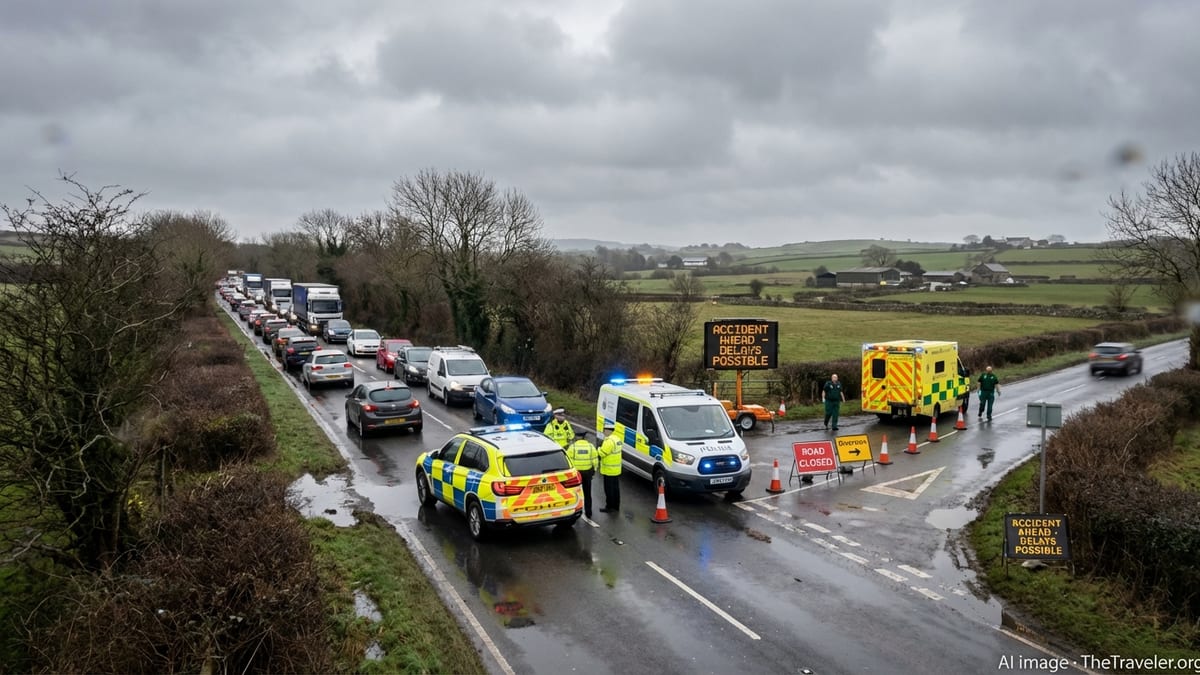
Overnight M8 shutdowns to support footbridge works
Publicly available information from Transport Scotland and its operating partners indicates that the latest closures form part of a major programme to reinstate and refurbish the Cornwall Street and Kirkwood Street footbridges over the M8 to the southwest of Glasgow city centre. The works require full overnight closures on key stretches of the motorway between junctions 19 and 24 on selected November weekends.
Traffic notices show that closures are concentrated around junctions 21 at Seaward Street and 23 at Dumbreck, both of which sit on primary approaches used by drivers travelling from the south and west towards Glasgow’s arena and events district. The bridges span the main carriageway close to the Kingston Bridge approaches, one of Scotland’s busiest urban motorway sections, and the works have been scheduled in overnight windows in an effort to limit daytime disruption.
Additional gantry refurbishment and related maintenance is also programmed along the M8 corridor through Glasgow during autumn, including between junctions 16 and 24. While some of this activity is managed with lane restrictions instead of full closures, the overlap of schemes means reduced capacity across multiple weekends and a higher likelihood of congestion during peak leisure and airport travel times.
Traffic updates from national and local operators highlight that these works follow an extended period of maintenance on structures along the M8, M73 and M74 network, reflecting an ongoing push to upgrade critical bridges, slip roads and roadside equipment ahead of the busy winter and major-event season.
Impact on Hydro visitors and Glasgow Airport traffic
The OVO Hydro, located on the north bank of the River Clyde beside the Scottish Event Campus, relies heavily on the M8 and its connecting junctions for visitor access from the Central Belt and beyond. When westbound or eastbound carriageways close overnight between junctions 19 and 24, event traffic is redirected onto local roads including Paisley Road West, Dumbreck Road and routes skirting the south of the river, adding pressure to streets that are already busy on concert nights.
Reports from recent weekend closures suggest that journeys between Glasgow city centre and outlying districts such as Paisley, Renfrew and Govan can take significantly longer when motorway diversions are in place. Queues have previously built up on approaches to the Kingston Bridge and at key intersections on the south side, particularly where temporary traffic management has been installed for other roadworks.
The same stretch of the M8 also provides the primary motorway link to Glasgow Airport at junction 28. Published travel advice aimed at air passengers notes that while some airport bus services are routed to avoid the most heavily affected junctions, general traffic heading to departures and arrivals may still face delays when overnight closures coincide with early morning and late evening flight times.
Glasgow Airport focused coverage has underlined that the combination of motorway works, local bridge closures over the River Clyde and seasonal weather risks can compound journey times, especially for travellers approaching from Lanarkshire, Ayrshire and the west of Edinburgh via the M8 corridor.
Diversions, timings and what drivers can expect
Traffic management plans published by motorway authorities state that when the M8 is closed westbound between junction 20 at the Kingston Bridge and junction 24, vehicles are diverted off the motorway before the affected section and routed through signposted city and local roads. Eastbound closures between junctions 24 and 22 see traffic guided via alternative routes that typically include Helen Street, Dumbreck Road and connections to the M77.
During closures, slip roads at junctions 21, 22, 23 and 24 may also be restricted, changing familiar approach patterns for drivers who routinely exit near the Clydeside Expressway or the Finnieston and SEC district. Road operators have emphasised that, although the majority of works are scheduled overnight, the tail end of closures can still overlap with early morning commuter flows and weekend leisure trips.
Live traffic pages for Scotland indicate that other planned works continue elsewhere along the M8, including at the Woodside Viaduct between junctions 16 and 17 and around key gantries nearer Hillington. In some cases, narrowed lanes and temporary speed limits remain in force around the clock, meaning that even when the main Hydro-related closures are not in effect, journey times through Glasgow can still be extended.
Given the complexity of the diversion network, motorists unfamiliar with Glasgow’s inner ring roads may find navigation more challenging, particularly after dark or in poor weather. Travel advisories recommend checking real-time congestion information before setting off and allowing a wider margin of spare time than usual when attending ticketed events.
Advice for event-goers and alternative travel options
For visitors heading to concerts or shows at the OVO Hydro over the affected weekends, publicly available guidance from transport and venue channels consistently stresses the importance of early trip planning. Drivers are encouraged to review which junctions are expected to be closed on specific nights, identify alternative exits in advance and consider park-and-ride options on rail and subway networks where practical.
The Clyde-side campus is served by Exhibition Centre railway station, which connects with Glasgow Central, and by a short walk from several bus corridors on the north and south of the river. Although no major rail closures directly linked to the M8 works have been highlighted for the same weekends, existing engineering programmes on nearby lines can occasionally affect evening and late-night services, so travellers are advised to confirm last train times before relying on public transport for the homeward leg.
Coach and bus operators have issued general warnings that services using the M8 or adjoining arterial routes may face delays and local diversions while the footbridge and gantry works continue. In practice, this can mean longer boarding queues at city-centre stops after events and less predictable arrival times on routes serving Paisley, Renfrewshire and parts of Glasgow’s south side.
Drivers who do choose to use the motorway network are advised in public travel notices to respect lower temporary speed limits, heed lane-closure signs and avoid last-minute lane changes near coned areas. Consistent messaging from road safety campaigns highlights that maintaining steady speeds and leaving additional space to the vehicle ahead can help keep traffic flowing and reduce the risk of secondary collisions in already constrained sections.
What the closures signal for Scotland’s trunk road network
The concentration of work on the M8 through Glasgow, including the reinstatement of key pedestrian bridges and the refurbishment of overhead gantries, reflects a broader programme of investment in Scotland’s ageing trunk road infrastructure. Official project descriptions emphasise that many of the structures involved date back several decades and are now subject to extensive strengthening, waterproofing and safety upgrades.
Recent documentation on motorway improvements across the M8, M73 and M74 corridors notes that deferring heavy maintenance can lead to more disruptive interventions later, such as long-term lane closures or full structural replacement. By packaging works into intensive but time-limited closures, road authorities aim to carry out complex tasks such as hydro-demolition, concrete repairs and steelwork replacement while minimising the overall duration of disruption.
For travellers, however, the short-term effect is a sustained period of weekend and overnight disturbance on one of Scotland’s most heavily used routes. With Glasgow preparing for a busy calendar of arena shows, sporting fixtures and winter events, those planning trips through the city in November and beyond face a more demanding environment on the roads.
Public travel information services continue to encourage motorists, coach passengers and event-goers to build extra time into itineraries, consider shifting departure times away from peak evening periods, and keep checking live updates as work schedules and weather conditions evolve.