


More news on this day
The United States has raised Bahrain to a Level 3 “Reconsider Travel” advisory, urging travelers to reconsider nonessential trips as regional conflict and terrorism risks continue to reshape security calculations across the Gulf.
Get the latest news straight to your inbox!
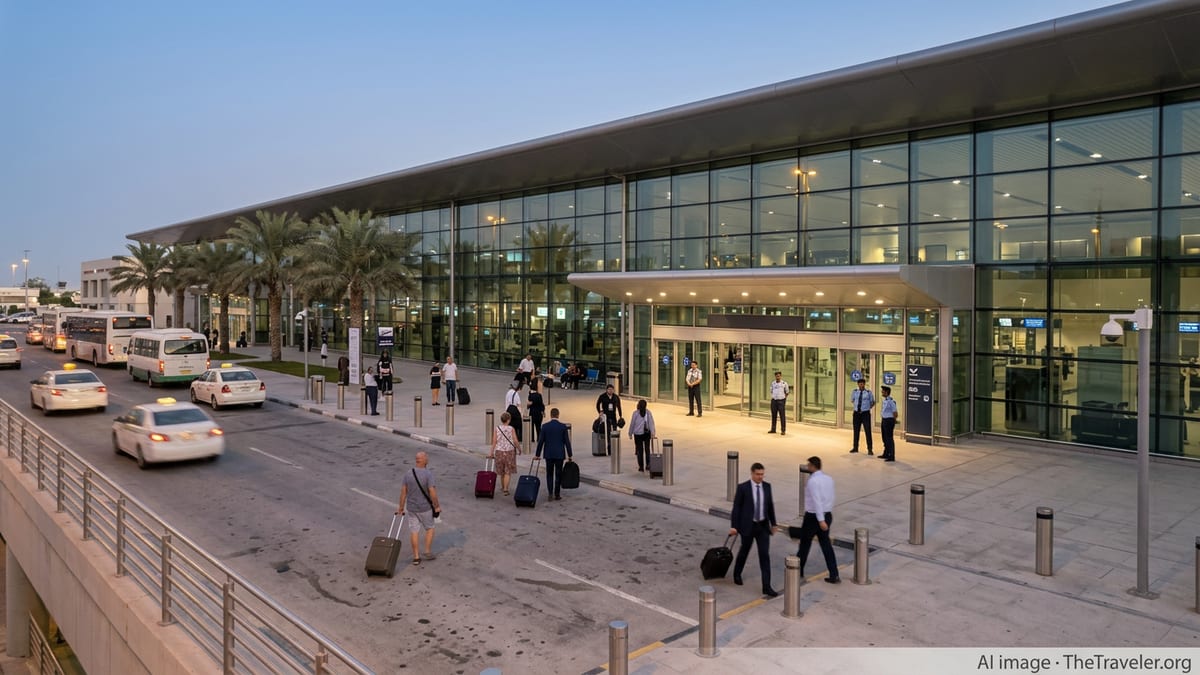
Advisory Raised Amid Heightened Regional Tensions
Publicly available information from the U.S. Department of State shows that Bahrain’s overall travel advisory is now set at Level 3, “Reconsider Travel,” with the most recent update dated October 23, 2026. The advisory cites terrorism and armed conflict as the core risk indicators and notes that changes were made to reflect increased potential for armed attacks linked to Iranian-backed groups and threats against U.S. interests in the region.
The new language builds on earlier 2026 notices that had already placed Bahrain at Level 3 but focused more narrowly on staffing changes at the U.S. Embassy in Manama. In March 2026, an ordered departure of some non-emergency personnel was recorded, followed by an August update adjusting travel policies for family members. The October revision keeps the Level 3 designation in place while emphasizing growing concerns over attack planning and targeting in and around the Gulf.
The State Department’s global advisory list now groups Bahrain with a cluster of Middle East destinations under Level 3, reflecting what multiple government advisories describe as an unsettled security environment influenced by the 2026 Iran war and ongoing maritime and missile incidents in the region.
Regional reporting on the Iran conflict points to repeated drone, missile and maritime attacks involving targets in and around the Gulf, including civilian infrastructure and commercial shipping. This broader pattern is referenced in several allied travel advisories that highlight the risk of spillover from attacks attributed to Iran or Iranian-aligned groups, particularly around key chokepoints such as the Strait of Hormuz.
Key Changes in the Bahrain Travel Advisory
According to the detailed advisory text, the Level 3 notice for Bahrain is driven by two formal risk tags: terrorism and what is categorized as “other,” which in this context includes armed conflict and the possibility of targeted attacks on U.S. interests. The October 23 update underlines an increase in potential armed attacks by Iranian-supported groups, including the Houthis, and references Iranian efforts to target U.S. government officials in the wider region.
The advisory explains that U.S. government employees now require special authorization to travel within Bahrain, and that additional staffing posture adjustments may be imposed as conditions evolve. While the document does not list specific neighborhoods as off-limits for private citizens, it states that embassy personnel face formal restrictions on movement to locations where protest activity or security incidents are more likely.
The advisory history published by the State Department shows that Bahrain’s Level 3 status was confirmed on March 2, August 27 and again on October 23, 2026. Each revision updated operational or security details while keeping the overall level unchanged. This pattern indicates that U.S. officials view the threat as persistent and evolving rather than tied to a single incident.
Explanatory material on the State Department’s travel-advisory framework notes that Level 3 is reserved for destinations where serious risks are present and where U.S. citizens are encouraged to reconsider travel. It is one step below Level 4, “Do Not Travel,” which is used when life-threatening risks are considered extreme and consular assistance may be severely limited.
How Other Governments Are Framing the Risk
Bahrain’s security rating has also shifted in the guidance issued by several allied governments. Australia’s official Smartraveller service currently advises travelers to reconsider their need to travel to Bahrain, citing the unpredictable security situation in the region, the presence of sensitive military and energy infrastructure, and the possibility of demonstrations and attacks. Canada’s travel advice similarly urges travelers to avoid non-essential travel to Bahrain, mentioning intelligence about potential targeting in central Manama and warning that the regional conflict could lead to sudden escalations.
These assessments align with a broader tightening of Middle East travel guidance since early 2026, when the Iran war and related attacks prompted multiple governments to reclassify destinations across the Gulf. Publicly available government summaries describe missile and drone strikes on airports, hotels and maritime assets, as well as threats to shipping near the Strait of Hormuz, all of which have contributed to more cautious official messaging.
The United Kingdom’s travel advice for Bahrain points to an ongoing risk of terrorism and notes that protests and localized clashes between security forces and demonstrators can occur with little warning, especially around politically sensitive anniversaries. Guidance from London also highlights measures affecting sea travel, including an evening and overnight curfew on waterways around Bahrain and heightened sensitivity around maritime security zones.
Independent travel-risk monitors and corporate security bulletins reviewed by industry outlets likewise classify Bahrain as a country where travel is still occurring but requires elevated security planning. These sources typically reference the presence of foreign military facilities, regional missile and drone activity, and the possibility that hotels, diplomatic areas or commercial districts could be affected by future incidents.
What the Advisory Means for U.S. Travelers
The Level 3 designation does not prohibit U.S. citizens from traveling to Bahrain, but it signals that travelers should carefully weigh the necessity of their trip and prepare for potential disruptions. Publicly posted guidance on travel advisories explains that individuals considering Level 3 destinations are encouraged to have contingency plans that do not rely on U.S. government assistance, including flexible tickets, comprehensive insurance and an understanding that evacuation options could be limited during a crisis.
In the specific case of Bahrain, the advisory and related embassy information emphasize security awareness around military facilities, government buildings, critical infrastructure and areas where demonstrations may occur. Travelers are encouraged in official guidance to monitor local media, review country-specific security reports and sign up for alert services that provide real-time updates if the threat picture changes.
Several governments advise avoiding areas near energy installations, ports and major road junctions during periods of heightened tension, and to be prepared for checkpoints, movement restrictions or sudden curfews, particularly affecting access to coastal or maritime zones. Sea-based leisure activities may be constrained by existing curfew rules on Bahrain’s waterways and by temporary expansions of restricted zones when regional incidents occur.
Recent corporate travel-industry assessments collected by trade publications indicate that some organizations have introduced additional approval steps for trips to Bahrain and other Level 3 destinations in the Gulf. These measures typically involve prior security briefings, destination-specific risk assessments and requirements for travelers to share itineraries and contact details with internal security teams.
Practical Planning Considerations for Upcoming Trips
For travelers who decide to proceed with travel to Bahrain despite the Level 3 advisory, public guidance from consular and travel-risk sources points to several practical steps. These include confirming that passports and required visas are valid, checking airline schedules for any regional route adjustments, and verifying hotel bookings with an eye to whether properties are located near potential protest sites or high-profile infrastructure.
Because advisory levels and local conditions can change quickly, particularly in connection with developments in the Iran conflict or attacks in nearby waters, travelers are encouraged to review the latest government advisories shortly before departure and again during their stay. Enrolling in available traveler-enrollment programs can provide direct notification if security messages or departure recommendations are updated.
Embassy contact details for Bahrain are publicly available, including the main switchboard and after-hours emergency number in Manama, and travelers are advised to keep these contacts accessible. While the Level 3 status reflects concern about armed conflict and terrorism, most guidance stops short of instructing all visitors to leave, instead placing the emphasis on informed decision-making and contingency planning.
Airlines and tour operators have not, according to recent industry monitoring, announced a comprehensive suspension of services to Bahrain similar to measures seen in some higher-risk conflict zones. However, carriers have adjusted schedules in parts of the wider Middle East, and travel-management firms recommend that passengers reconfirm flights close to departure and stay alert for rerouting or delays if regional tensions spike again.