


More news on this day
The United States has raised its travel advisory for Bahrain to Level 3, urging travelers to reconsider nonessential trips as security assessments highlight heightened risks tied to terrorism and regional armed conflict.
Get the latest news straight to your inbox!
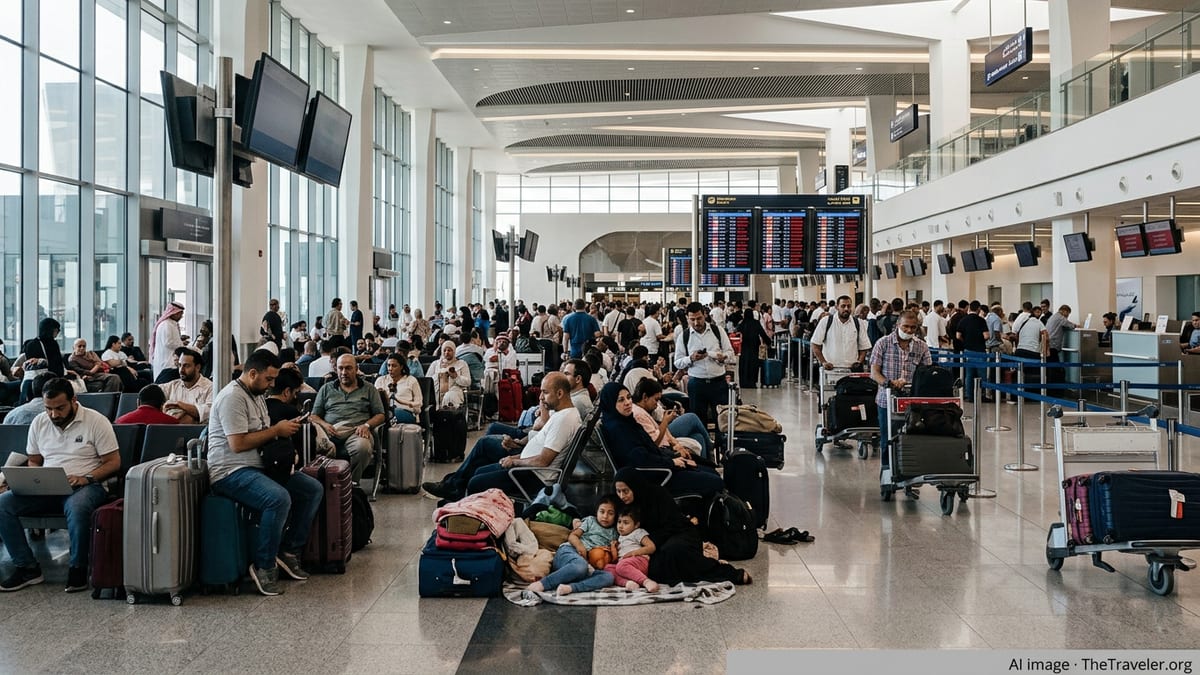
Advisory Raised to Level 3: Reconsider Travel
The latest update to the United States travel advisory for Bahrain moves the Gulf kingdom to a Level 3 classification, the second highest of four risk tiers used by U.S. authorities. Publicly available State Department information lists Bahrain as “Level 3: Reconsider Travel,” with terrorism and armed conflict cited as primary risk indicators.
According to advisory records, Bahrain’s status shifted from Level 2 to Level 3 when the travel notice was revised at the end of February 2026. Subsequent updates, including on March 2 and October 23, 2026, maintained the Level 3 rating while refining language about security risks and clarifying restrictions affecting U.S. government personnel.
The Level 3 category is used when serious safety and security risks are identified. Official guidance for this tier advises U.S. nationals to reconsider travel plans and carefully weigh the importance of a trip against the potential exposure to threats, including those that could limit the ability of consular staff to assist in an emergency.
While commercial flights to Bahrain remain in operation and the country continues to welcome international visitors, the escalation in advisory level signals that U.S. officials consider the risk environment more complex and less predictable than in recent years.
Security Environment and Key Risk Factors
Country-specific information on Bahrain outlines a security landscape shaped by both internal and regional dynamics. The advisory notes that terrorism and armed conflict are the central concerns, with the potential for attacks that may occur with little or no warning. Possible targets cited in public guidance include transportation hubs, shopping centers, places of worship, hotels, restaurants, and areas frequented by foreigners.
Regional tensions involving Iran and Iran-aligned groups have also influenced the risk calculus. Recent advisory updates reference concerns about possible armed attacks by Iranian-supported actors and efforts to target U.S. interests in the broader region. In this context, Bahrain’s role as host to U.S. and allied military facilities, including the U.S. Navy’s Fifth Fleet, is viewed as a factor that can shape the country’s security profile.
Domestic unrest continues to play a secondary, though recurrent, role. Publicly accessible foreign travel advice from multiple governments notes that demonstrations and political gatherings take place periodically, particularly around sensitive anniversaries and regional flashpoints. Such events can lead to road closures, the use of crowd control measures, and localized clashes between protesters and security forces.
Despite these concerns, available travel risk briefings indicate that day-to-day crime levels in Bahrain remain relatively low compared with many urban destinations worldwide. Petty theft and pickpocketing are identified as the primary criminal risks to visitors, especially in busy market areas and crowded public spaces.
Impact on U.S. Government Personnel and Travelers
The upgraded advisory is closely tied to the posture of U.S. government operations in Bahrain. Public documentation shows that, as of early March 2026, nonemergency U.S. government personnel and their family members were first authorized and then directed to depart the country due to safety concerns. More recent updates confirm that U.S. government employees require special authorization to travel to Bahrain and may face additional staffing and movement restrictions.
These internal measures are typically mirrored in the broader public advisory level. When departure for official staff is authorized or ordered, advisory language is often revised to reflect the heightened assessment of risk and the possibility that routine consular services could be disrupted if conditions deteriorate further.
For ordinary travelers, the Level 3 warning does not impose legal limits on travel but has significant practical implications. Many U.S.-based companies and institutions, including universities and large corporate employers, routinely consult State Department ratings when deciding whether to approve business trips, academic programs, or insurance coverage for travel to a given country. A shift to Level 3 can therefore lead to reduced official travel and, in some cases, restrictions on staff or student mobility.
Travel insurance providers may also factor official advisories into coverage decisions. Some policies reference changes in advisory levels when defining what constitutes a covered reason for cancellation or evacuation, although terms vary by provider and travelers are advised to review policy language carefully.
How the Level 3 Advisory Affects Trip Planning
For individuals still considering travel to Bahrain, the updated advisory signals that careful preparation is essential. Public guidance encourages prospective visitors to review the full country advisory, sign up for consular alert programs, and share detailed itineraries and contact information with family or trusted contacts before departure.
Travelers are advised to monitor local and regional news closely in the days leading up to a trip and throughout their stay. Government travel pages emphasize the importance of avoiding known protest areas, steering clear of large gatherings, and remaining alert near government buildings, security installations, and sites associated with foreign diplomatic or military presence.
Information available from foreign ministries, including the United Kingdom’s travel advice for Bahrain, highlights that demonstrations may occur with limited notice and can cause short-term disruption even far from the immediate protest area. Visitors are encouraged to build flexibility into their schedules, allowing for possible detours or delays caused by road closures or increased checkpoints.
Basic personal security practices remain relevant. Recommendations commonly include using reputable transportation providers, staying in established hotel districts, limiting travel after dark in unfamiliar neighborhoods, and safeguarding passports and valuables in secure locations, such as hotel safes or money belts.
Balancing Opportunity and Risk in the Gulf Destination
Bahrain has long marketed itself as an accessible entry point to the Gulf region, known for its financial services sector, motorsport events, and comparatively relaxed social environment. Prior to the advisory change, the country was listed at Level 2, a category where travelers are asked to exercise increased caution but where serious risks are seen as more contained.
The shift to a Level 3 advisory does not signal that travel is impossible, but it underscores the need for an elevated level of situational awareness. Analysts who track official advisories note that developments beyond Bahrain’s borders, including regional rivalries and conflicts, have contributed to the heightened risk picture affecting several countries on and around the Arabian Peninsula.
As of early November 2026, Bahrain appears alongside a number of Middle Eastern destinations in the Level 3 grouping on the State Department’s advisory index, while others in the region are listed at Level 4, the highest warning tier. This clustering reflects a broader environment that remains fluid, where shifts in regional tensions can quickly manifest in new security alerts, staffing adjustments, and updated guidance for travelers.
For now, the central message of the revised Bahrain advisory is for U.S. travelers to reconsider whether their plans are essential, to carefully review the latest security information before departure, and to stay responsive to any new developments that may influence their safety once on the ground.