


More news on this day
British Airways has restarted flights between London Heathrow and Dubai International Airport after an eight-month suspension, even as fresh guidance urges UK travellers heading to or through the Middle East to review security warnings and potential airspace disruptions.
Get the latest news straight to your inbox!
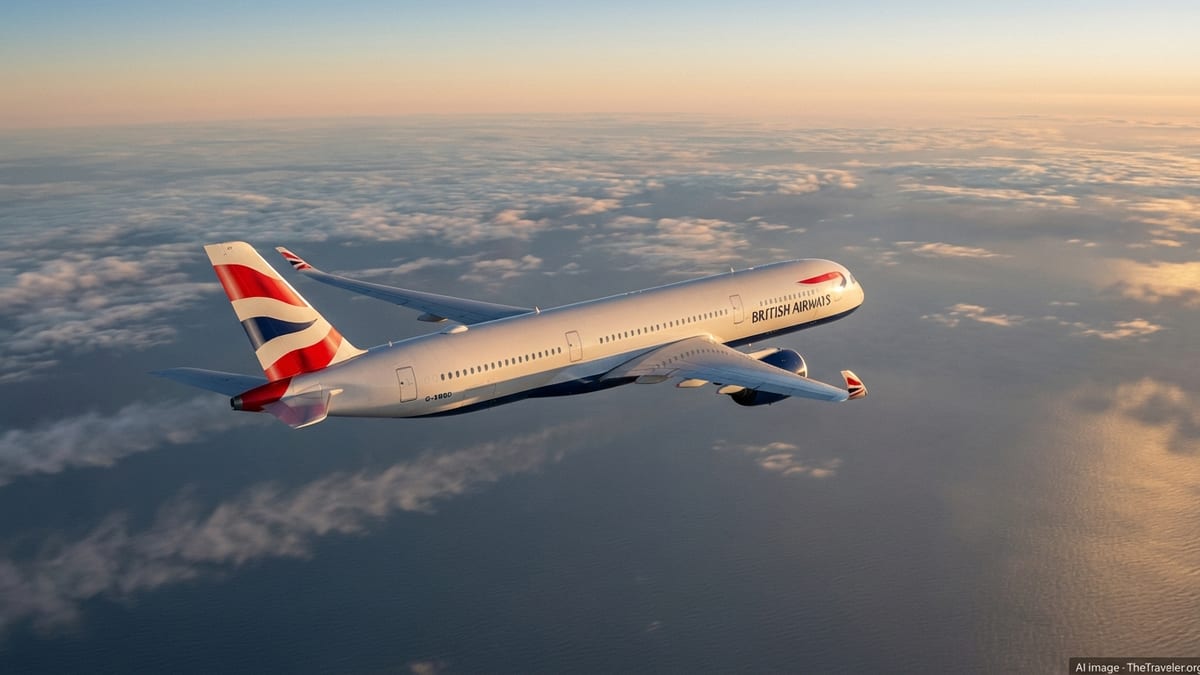
Heathrow–Dubai Route Returns After Prolonged Suspension
British Airways resumed its nonstop London Heathrow to Dubai International Airport service on 3 November 2026, with the first inbound flight touching down at Dubai International on 4 November, following an eight-month gap in operations. Published coverage indicates the carrier is initially operating one daily rotation between the two global hubs after repeatedly pushing back a planned October restart.
The restart marks the return of one of the airline’s flagship Gulf routes, which connects one of the world’s busiest international airports in London with Dubai’s major global transit hub. Before services were paused, Dubai had been a key leisure and business market for UK travellers, attracting more than a million visitors a year from Britain and over 19 million international visitors in total, according to tourism figures cited in recent reports.
While Dubai flights are now back in the schedule, British Airways’ network in the wider Gulf remains trimmed. Services to Abu Dhabi are still suspended, with industry reporting pointing to a prospective restart not before the winter 2027–2028 season. Other regional routes, including Jeddah and Amman, are being restored on reduced frequencies as the carrier gradually rebuilds capacity.
The decision to bring back Dubai follows months of route reshuffling as airlines adjusted to aircraft availability constraints, shifting demand patterns and the ongoing impact of conflict and airspace restrictions across parts of the Middle East.
Foreign Office Warning for UK Travellers in the Region
At the same time as flights resume, UK travellers are being reminded that wider government travel warnings for the region remain in force. Current advice on the UK government’s foreign travel portal highlights an unpredictable security environment across parts of the Middle East, as well as the potential for rapid changes to airspace access and flight operations.
For the United Arab Emirates, publicly available UK travel advice describes the UAE, including Dubai, as a destination where visitors should remain aware of regional tensions and the threat of terrorism, and where it is illegal to photograph certain government and military sites. Travellers are urged to stay informed about local security measures and comply fully with local laws and regulations.
Separate guidance relating to Israel and the broader regional situation notes that British nationals travelling through Middle Eastern hubs should be prepared for potential cancellations, diversions or delays arising from airspace closures or missile activity. Travellers are also reminded that insurance policies may be affected if they choose to travel against official government warnings for specific countries or routes.
The UK Civil Aviation Authority has issued its own broad advisory on Middle East travel, recommending that passengers verify both Foreign Office advice and their individual flight status before setting out for the airport. This reflects ongoing uncertainty around some routings and the possibility that schedules may change at short notice even after tickets are booked.
Operational Changes and Longer Routings Over Sensitive Airspace
Even when flights operate as scheduled, the journey between the UK and Dubai may look different to pre-suspension patterns. Past operational statements and industry briefings show that several European carriers, including British Airways, have at times re-routed services to avoid airspace over countries such as Iran and Iraq during periods of heightened tension, adding minutes to overall flight times.
Aviation advisories point out that parts of the region’s airspace have been periodically restricted or closed since the latest escalation in hostilities, forcing airlines to adapt their routings. In practical terms, this can result in longer sectors, changed flight numbers or altered departure times as carriers seek to maintain services while complying with safety notices and government advisories.
Middle East-focused travel bulletins compiled over recent months describe a patchwork of suspensions, resumptions and reduced frequencies affecting destinations such as Riyadh, Jeddah, Doha and Tel Aviv. British Airways has concentrated its limited capacity on higher-demand and higher-yield markets, leaving some routes on hold while restoring Dubai at a modest daily frequency.
Passengers booked on the newly restored Heathrow–Dubai service are therefore being advised, in public-facing guidance, to treat flight status checks as essential rather than optional, particularly in the days immediately before departure. Industry regulators also stress that travellers should understand their rights to rebooking or refunds if a service is significantly delayed or cancelled due to operational disruption.
Local Rules, Entry Requirements and On-the-Ground Conditions in Dubai
For those who do travel, entry into the UAE for British visitors remains relatively uncomplicated, based on current information. UK nationals can typically obtain a free-of-charge visitor or tourist visa on arrival, subject to passport validity and standard immigration checks. However, Foreign Office guidance directs travellers with complex status, such as dual British–Israeli nationals, to seek advice from the UAE embassy in London before departure.
UAE travel advisories also underline specific legal restrictions that differ from UK norms. It is prohibited to take photographs of certain government buildings, military facilities and critical infrastructure. Behaviour deemed offensive in public can attract fines or prosecution, and laws around alcohol consumption and online expression are more restrictive than in Britain. Travellers are encouraged to familiarise themselves with local rules before they fly.
In terms of practical conditions on the ground, regional safety bulletins produced by governments including the UK, Australia and Canada emphasise the potential impact of extreme heat, particularly during the summer months from June to August. Visitors are urged to take precautions against dehydration and heat-related illness, especially when spending extended periods outdoors in Dubai’s desert climate.
Dubai’s authorities state that the city remains open for business and tourism, with hotels, attractions and transport services operating normally. Local tourism updates recommend that passengers keep their contact details updated with airlines so they can receive timely notifications of any changes to flights or airport operations.
What UK Travellers Should Do Before Booking or Boarding
With British Airways back in the Dubai market but wider regional uncertainties ongoing, travel regulators and advisory services are highlighting several steps UK travellers should take before committing to a trip. Publicly available guidance from the UK Civil Aviation Authority and overseas travel services consistently recommends checking the latest official travel advice for all destinations and transit points, and confirming that travel insurance policies remain valid under current conditions.
Prospective passengers are also encouraged to monitor airline operational updates in the days leading up to departure, rather than relying solely on details issued when tickets were purchased. In the event of significant disruption, travellers may need to consider alternative routings or carriers, particularly where connecting itineraries involve airports in countries subject to heightened risk assessments.
Health and safety advisories additionally suggest preparing for the practical realities of travel to Dubai and other Gulf destinations, including planning around extreme temperatures and respecting local legal frameworks. This preparation, combined with close attention to airline and government updates, is being presented as key to making the most of the restored link between London and Dubai while managing the elevated level of uncertainty that still affects parts of the wider Middle East.