


More news on this day
A recent incident at Miami International Airport in which a U.S. lawful permanent resident reportedly received a “verbal warning” from Customs and Border Protection during a routine flight has renewed attention on how returning green card holders are screened, questioned and sometimes cautioned about their travel patterns.
Get the latest news straight to your inbox!
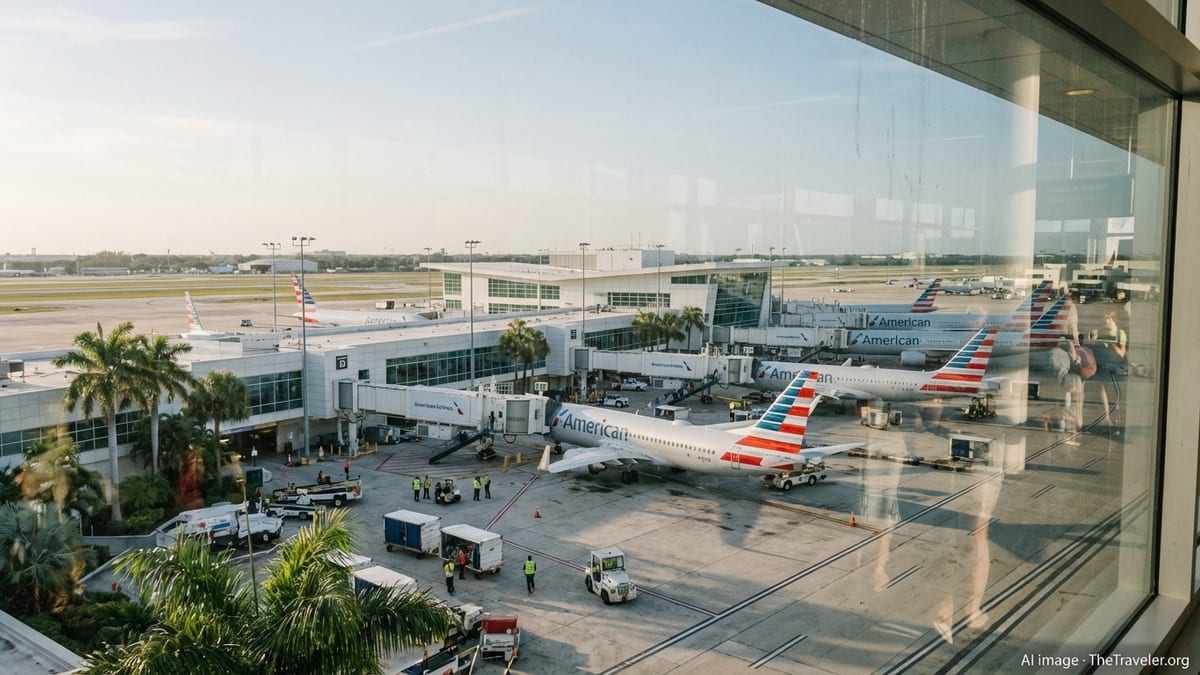
Routine Flight, Heightened Scrutiny
Publicly available accounts describe a green card holder arriving on an international flight at Miami International Airport and being subjected to additional questioning that ended not with a written notice, but with what was described as a “verbal warning” about their future travel. While the specific details of this traveler’s case have not been made public, the outline resembles scenarios that immigration attorneys and advocacy groups say they are hearing about more often at major U.S. ports of entry.
Reports from legal aid organizations and recent media coverage indicate that lawful permanent residents are being singled out for closer review when officers believe their travel patterns, time spent abroad or prior immigration history could signal a potential problem. In many cases, travelers are ultimately admitted but leave the airport with the impression that their status has been flagged, even when they have not received any formal documentation.
Advisories aimed at green card holders note that what begins as a routine return flight can turn into an extended inspection, fingerprint checks and more probing questions about work, family ties and time spent outside the United States. For those transiting busy hubs such as Miami, this heightened scrutiny can add hours to the arrival process and create uncertainty about what a “warning” from an officer really means for future travel.
How CBP Handles Green Card Holders At Ports Of Entry
Customs and Border Protection describes inspection at U.S. ports of entry as a multi-step process in which all noncitizens, including lawful permanent residents, are screened on arrival. Official guidance explains that green card holders must present a valid permanent resident card and a passport, and may be asked detailed questions about their time abroad, any criminal history, employment and residence in the United States.
If the primary inspection booth officer has questions that cannot be resolved quickly, the traveler can be referred to “secondary inspection,” a more in-depth review carried out in a separate area of the airport. Legal organizations that track airport practices state that this has become more common for travelers with lengthy trips abroad, past visa issues or prior interactions with law enforcement, even if no current charges exist.
Advocacy groups and bar associations have documented an increase in reports of intensive questioning, long waits and, in some cases, cancellation of visas or initiation of removal proceedings following secondary inspection. At the same time, many lawful permanent residents report that secondary inspection ends with admission and occasional comments about their travel frequency or the need to carry additional documentation, without any formal charge or paperwork.
What A ‘Verbal Warning’ Can Mean For Travelers
Immigration practitioners say that CBP officers have broad discretion in how they handle concerns about a returning resident’s ties to the United States. Published guidance and case examples describe situations in which officers issue written notices, send a traveler to a deferred inspection office for follow-up, or simply caution them orally about long or frequent trips abroad.
Several law firm advisories published in 2024 and 2025 reference green card holders who received informal, spoken warnings at airports, including notations such as “I-327 advised” in their passports, indicating that officers suggested they seek a reentry permit before future extended travel. These accounts emphasize that a verbal warning does not by itself change a person’s status, but may signal that their travel history has attracted attention and could be examined again on a subsequent trip.
Attorneys also highlight the difference between an informal warning and more serious actions, such as being asked to sign Form I-407, which would amount to a voluntary surrender of permanent residence, or being given a Notice to Appear in immigration court. Rights-focused materials caution travelers not to sign any documents they do not understand, and note that CBP cannot compel a lawful permanent resident to abandon their green card at the airport.
Secondary And Deferred Inspection: From Extra Questions To Follow-Up
According to publicly available information on CBP’s inspection process, travelers whose admissibility cannot be conclusively decided at the airport may be placed in deferred inspection. In those cases, individuals are typically issued Form I-546, titled “Order to Appear – Deferred Inspection,” directing them to present additional documents such as tax returns, employment records or marriage certificates at a CBP office on a later date.
Legal guides for returning green card holders explain that secondary and deferred inspections are used for a wide range of issues, from discrepancies in records to questions about past overstays or extended absences. Many cases are resolved with no further action, but the experience can be stressful, particularly when it follows what the traveler believed would be a straightforward holiday or family visit abroad.
Advocacy organizations and immigration scholars have urged clearer, more transparent standards for when and how officers escalate an inspection. They also recommend that CBP provide travelers with written explanations whenever a warning or caution is given, arguing that informal verbal remarks at an airport counter can be difficult for non-native English speakers to understand and later explain to legal counsel.
Preparing For International Travel As A Green Card Holder
In light of the Miami incident and similar reports from other international airports, immigration-focused nonprofits and law practices are urging lawful permanent residents to prepare thoroughly before traveling. Their checklists commonly advise ensuring that the green card is unexpired, carrying a valid passport from the country of citizenship, and gathering proof of residence in the United States, such as lease agreements, mortgage statements or recent utility bills.
Travel advisories also recommend that those who have spent significant time abroad within the last few years assemble evidence of ongoing ties, including employment letters, recent pay stubs, school enrollment records for children or documentation of medical treatments in the United States. For residents who expect to be outside the country for many months, practitioners suggest consulting about a reentry permit, which can serve as an additional indication of intent to maintain U.S. residence.
Rights guides prepared for lawful permanent residents emphasize that CBP inspection is not optional and that declining to answer basic admissibility questions can delay entry. At the same time, they note that travelers may ask for clarification if they do not understand a form, and that seeking legal advice before a complex trip may reduce the risk of surprises at the airport. For many green card holders, these precautions are becoming part of the planning process for any international journey, particularly through busy gateways such as Miami International Airport.